Fracking in Canada: Weighing economic opportunity against environmental risk
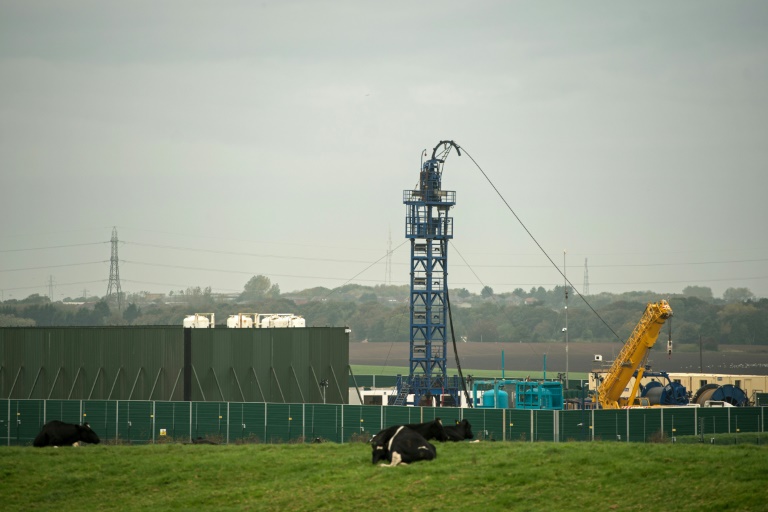
Hydraulic fracturing, more commonly known simply as ‘fracking’, remains one of the most controversial technologies in Canada’s energy landscape. The process involves injecting water, sand and chemicals at high pressure into underground rock formations to release trapped oil and natural gas. Over the past two decades, fracking has reshaped North America’s energy markets, particularly in western Canada, where formations such as the Montney Basin in British Columbia and Alberta have become major sources of unconventional gas production.
Supporters view fracking as an economic success story that has helped position Canada as a leading global energy producer. Opponents regard it as a technology that prolongs dependence on fossil fuels while carrying significant environmental and social risks. As Canada seeks to reconcile economic growth, energy security and climate commitments, the future of fracking remains a subject of intense debate.
The strongest argument in favour of fracking is its contribution to economic growth. The technology has unlocked reserves that would previously have been uneconomic to exploit, attracting billions of dollars in investment and helping maintain Canada’s position among the world’s leading energy producers. Currently, natural gas production from unconventional resources continues to represent a major component of Canada’s energy output.
Major shale gas developments in Alberta and British Columbia have generated employment across drilling, engineering, construction, transport and professional services. Numerous communities in western Canada have benefited from increased business activity associated with oil and gas development. Provincial governments have also received substantial revenues through taxes and royalties, helping to fund public services and infrastructure projects. Industry data from the CAPP highlights the sector’s role in supporting employment and government revenues across the country.
Fracking has also strengthened Canada’s role in global energy markets. The development of liquefied natural gas (LNG) export infrastructure, including projects such as LNG Canada, is designed to connect Canadian natural gas producers with Asian markets where energy demand remains strong. Industry groups argue that Canadian LNG could help countries reduce dependence on coal-fired electricity generation, potentially lowering overall carbon emissions. Natural gas continues to play an important role in electricity generation, industrial manufacturing and domestic heating. Supporters therefore view gas as a practical transition fuel, capable of supporting energy security while renewable technologies continue to scale up.
Environmental concerns remain significant
Despite these benefits, environmental concerns continue to drive opposition to fracking. One of the most frequently cited issues relates to greenhouse gas emissions, particularly methane. While natural gas burns more cleanly than coal, methane leakage from wells, pipelines and processing facilities can significantly increase the climate impact of production. Methane is a particularly potent greenhouse gas over shorter timescales, making effective monitoring and control critical. The Canadian government has introduced new regulations aimed at reducing emissions from the oil and gas sector.
Water use is another concern. Hydraulic fracturing operations require large quantities of water, with individual wells often consuming millions of litres during completion. Although many operations occur in regions with relatively abundant water supplies, prolonged drought conditions and increased competition for resources have heightened concerns among environmental groups and local communities. Wastewater management also remains a challenge. Water returning to the surface after fracking may contain hydrocarbons, salts, chemicals and naturally occurring radioactive materials. Appropriate treatment, recycling and disposal systems are essential to minimise environmental risks. Concerns regarding groundwater contamination continue to feature prominently in the public debate. While regulators generally maintain that properly designed and constructed wells can protect groundwater supplies, the https://cca-reports.ca/reports/environmental-impacts-of-shale-gas-extraction-in-canada/ identified groundwater contamination as one of several environmental risks requiring continued monitoring and research.
Another concern is the relationship between fracking and induced seismicity, or human-caused earthquakes. Scientific studies have shown that certain hydraulic fracturing and wastewater disposal activities can trigger seismic events. Most are minor and cause little or no damage, but larger incidents in western Canada have attracted public attention and prompted enhanced regulatory oversight. In response, provincial regulators have introduced monitoring programmes and “traffic light” systems that require operators to reduce or cease activity if earthquakes reach specified thresholds. Supporters argue that these mechanisms demonstrate that risks can be effectively managed; critics contend that scientific uncertainties remain regarding cumulative impacts over time.
The broader climate challenge
Beyond specific environmental concerns lies a larger question: is expanding fracked oil and gas production compatible with Canada’s long-term climate strategy? Canada has committed to reducing greenhouse gas emissions and achieving net-zero emissions by 2050 under its international commitments associated with the Paris Agreement.
Environmental organisations argue that continued investment in fossil fuel production risks locking in decades of future emissions and slowing investment in renewable energy alternatives. Conversely, proponents contend that global energy demand remains substantial and that natural gas can help reduce emissions when it replaces more carbon-intensive coal-fired generation. The debate therefore centres not only on current emissions but also on how quickly renewable technologies can replace conventional energy sources without compromising economic prosperity or energy reliability.
The economic argument surrounding fracking is considerably more nuanced than a simple choice between growth and environmental protection. While hydraulic fracturing has generated substantial economic value, some analysts argue that a portion of the true costs may simply be deferred into the future. On the benefits side, fracking has supported substantial investment, job creation and export revenues. Lower natural gas prices have also benefited energy-intensive industries and improved competitiveness in several manufacturing sectors. If LNG export projects continue to expand, Canada could generate significant additional export earnings while strengthening trade relationships with overseas markets.
However, these economic gains must be weighed against several categories of cost. The first involves environmental management and regulatory compliance. Governments and operators invest heavily in groundwater monitoring, methane-reduction technologies, wastewater treatment systems, seismic monitoring networks and environmental remediation programmes. These measures reduce risk but increase development costs. Second, there is the issue of long-term liabilities. When wells become inactive, they must be properly decommissioned and remediated. Failure to do so can leave governments and ultimately taxpayers facing substantial clean-up costs. The issue of abandoned and orphan wells has become particularly prominent in Alberta, prompting increased scrutiny from regulators and policymakers.
Third, climate-related financial risks may become increasingly important. As investors place greater emphasis on environmental, social and governance (ESG) criteria, fossil fuel projects may face higher financing costs. The https://www.iea.org/reports/net-zero-by-2050 has warned that a rapid global transition to net-zero emissions could alter future demand for fossil fuels, affecting the long-term value of some investments. There is also the question of opportunity cost. Every dollar invested in new fossil fuel development is capital that cannot be invested elsewhere. Critics argue that future economic growth may increasingly come from renewable energy, energy storage, green hydrogen, electrification and clean technology industries. Supporters counter that current alternatives remain insufficient to meet all energy needs and that revenues from natural gas development can help finance the low-carbon transition.
Regional impacts further complicate the issue. Communities directly involved in energy production often experience rising employment, higher wages and increased business activity. Yet these benefits can be vulnerable to fluctuations in commodity prices, exposing resource-dependent regions to boom-and-bust economic cycles. Ultimately, the economic balance depends upon assumptions about future energy demand, technological innovation, carbon pricing and international climate policy. If natural gas remains an important component of global energy systems for several decades, Canadian fracking could continue generating substantial economic value. If decarbonisation accelerates rapidly, some assets may become less profitable while environmental and remediation liabilities become more significant.
What comes next?
The future of fracking in Canada is unlikely to involve either unrestricted expansion or wholesale prohibition. Instead, the sector appears increasingly likely to operate within a framework of tighter regulation, enhanced environmental oversight and growing pressure to reduce emissions. Companies are already adopting technologies designed to improve water recycling, reduce methane leakage and strengthen environmental monitoring. Digital sensors, predictive analytics and artificial intelligence are becoming increasingly important tools for environmental management. At the same time, continued global demand for natural gas and the expansion of Canadian LNG exports suggest that fracking will remain a significant component of the country’s energy mix in the medium term.
Ultimately, the debate surrounding fracking reflects a broader challenge facing many industrialised nations: how to balance economic development, energy security and environmental responsibility. Canada possesses substantial natural gas resources and significant clean-energy ambitions. The country’s future energy strategy will likely depend on how successfully it manages the transition between those two realities.
Fracking in Canada: Weighing economic opportunity against environmental risk
#Fracking #Canada #Weighing #economic #opportunity #environmental #risk