BlackBerry’s next act: Can security, software and specialised devices drive a new era?
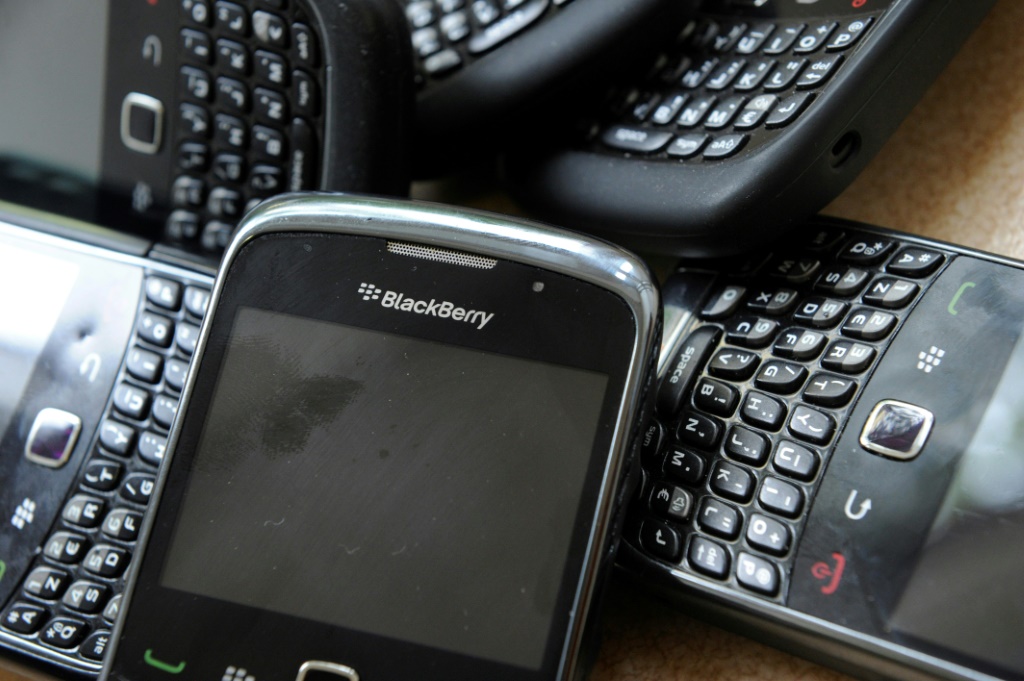
For many professionals, BlackBerry evokes memories of physical keyboards, blinking message lights and a time when corporate communication revolved around the company’s highly secure mobile devices. During the early 2000s, BlackBerry enjoyed a near-unassailable position in business communications, becoming the preferred mobile platform for executives, governments and regulated industries. Today, the company is very different. Rather than competing directly with Apple and Samsung in consumer smartphones, BlackBerry has transformed itself into a specialist software and cybersecurity provider while maintaining an interest in highly secure communications technologies. Recent developments suggest BlackBerry is pursuing a dual strategy: expanding its enterprise software portfolio while exploring opportunities within a niche market for purpose-built communication devices aimed at security-conscious users.
Founded in 1984 as Research In Motion (RIM), BlackBerry revolutionised mobile communications through its secure push-email platform. The company’s devices became synonymous with mobile productivity, allowing professionals to send and receive messages in real time. The firm’s success stemmed from a combination of secure infrastructure, efficient hardware and a strong understanding of enterprise requirements. At its peak, BlackBerry controlled a substantial share of the global smartphone market and became a symbol of corporate mobility.
However, the technology landscape shifted dramatically following the launch of Apple’s iPhone in 2007 and the subsequent rise of Google’s Android ecosystem. While competitors focused on touchscreen interfaces, multimedia capabilities and expansive app stores, BlackBerry remained committed to its traditional keyboard-centric approach. As documented during the company’s smartphone decline, BlackBerry struggled to adapt quickly enough to changing consumer expectations. Its touchscreen offerings failed to gain significant traction while developers increasingly prioritised iOS and Android platforms over BlackBerry’s operating system.
BlackBerry’s decline was not caused by a single mistake but rather a series of strategic challenges. One major issue was timing. The company recognised the threat posed by touchscreen smartphones but responded too slowly. Its BlackBerry 10 operating system, launched in 2013, arrived years after Apple and Google had established dominant ecosystems. A second challenge concerned application availability. Consumers increasingly valued access to large app libraries, an area where BlackBerry consistently lagged behind rivals.
The company also faced market perception problems. Once regarded as innovative, BlackBerry increasingly appeared old-fashioned compared with the sleek designs and consumer-focused features offered by competitors. The consequences were severe. Smartphone market share collapsed, revenues fell significantly and multiple rounds of restructuring followed. By 2016 BlackBerry announced it would cease developing its own smartphones, effectively ending an era that had defined business mobility.
Engineering a turnaround
The turning point came under the leadership of John Chen, who became chief executive in 2013. Rather than attempting to win back the broader smartphone market, Chen focused on identifying assets that competitors could not easily replicate. Those strengths lay in security, enterprise software and embedded operating systems. As part of its transformation, BlackBerry expanded its cybersecurity capabilities and increasingly targeted governments, regulated industries and organisations with demanding security requirements. The strategy was a continuation of the company’s long-standing reputation for trusted communications.
The company also invested heavily in QNX, its embedded software platform. Today, the QNX operating system is widely used within automotive systems and industrial environments. BlackBerry states that QNX technology supports critical applications requiring high levels of reliability and safety, including connected and autonomous vehicle systems. Recent announcements show QNX continuing to secure new automotive and industrial partnerships while expanding into emerging Physical AI and intelligent vehicle technologies. This pivot allowed BlackBerry to move away from highly competitive consumer markets and into sectors where security, resilience and certification are more important than brand prestige.
Another increasingly important pillar of BlackBerry’s business is secure communications. Products such as BlackBerry SecuSUITE are designed to protect sensitive voice calls, messaging and file-sharing activities. The platform is used by governments and organisations facing elevated espionage and cybersecurity risks.
In 2026, BlackBerry announced renewed Common Criteria certification for SecuSUITE, reinforcing the platform’s position in high-security communications environments. According to the company, the solution is trusted by numerous governments and critical infrastructure organisations requiring protection against sophisticated surveillance and interception threats. BlackBerry has also enhanced its crisis communications platform, adding integrations with Microsoft Teams and Microsoft Entra ID. These capabilities are intended to help organisations coordinate responses during cyberattacks, severe weather events and other operational emergencies. Taken together, these developments demonstrate a consistent corporate strategy focused on trusted communications rather than mass-market consumer technology.
The mystery surrounding the KEY3 5G
Among technology enthusiasts, rumours regularly emerge regarding the potential return of a BlackBerry handset. Much discussion currently centres on a possible BlackBerry KEY3 5G device. Supporters envision a modern smartphone combining flagship specifications, advanced connectivity, robust security features and the company’s iconic physical keyboard. Some reports have suggested innovative features such as pressure-sensitive displays, enhanced productivity tools and enterprise-oriented security capabilities. However, it is important to note that BlackBerry has not formally announced a KEY3 smartphone, and many reported specifications remain speculative. Even so, interest persists because BlackBerry continues to occupy a unique position in the market. While mainstream consumers have largely embraced touchscreen devices, a dedicated audience still values tactile keyboards, productivity-focused design and security-first engineering. Should a future BlackBerry-branded communicator emerge, it would most likely target specialised professional users rather than the broader consumer market.
What comes next?
BlackBerry’s future increasingly resembles that of a software infrastructure company rather than a smartphone manufacturer. The firm continues to expand across three interconnected areas: secure communications, mission-critical software and embedded operating systems. These markets offer significantly higher barriers to entry than consumer electronics and align closely with BlackBerry’s historical strengths. Financially, recent results indicate continued momentum in the QNX segment while secure communications remain an important contributor to revenue and profitability. The company’s leadership has repeatedly emphasised disciplined execution and long-term growth centred on software and security.
The BlackBerry brand remains powerful because it represents something increasingly rare in modern technology: trust. In an era marked by ransomware, espionage, AI-enabled cyberattacks and growing concerns about digital sovereignty, that reputation may prove more valuable than ever. Whether or not the long-rumoured KEY3 5G ever materialises, BlackBerry’s renaissance is already under way. The company that once defined mobile email has evolved into a provider of secure digital infrastructure for governments, enterprises and connected systems. For a business many once wrote off, that may be the most impressive turnaround of all.
BlackBerry’s next act: Can security, software and specialised devices drive a new era?
#BlackBerrys #act #security #software #specialised #devices #drive #era