Three Canadian microbiologists recognised for breakthrough research that could transform healthcare and food security
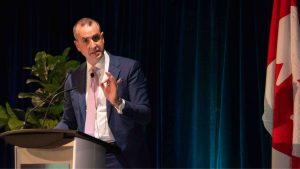
Canada’s next generation of microbiologists and immunologists are already helping to shape the future of medicine, public health and food production. Three young researchers, Krithika Muthuraman, Salma Sheikh-Mohamed and Maxine Ty, have been recognised as recipients of the 2026 EPIC Future Leaders Prize for doctoral research that addresses some of the most pressing biological challenges facing society.
Awarded annually by the University of Toronto’s Emerging and Pandemic Infections Consortium (EPIC), the prizes recognise exceptional PhD graduates whose work advances infectious disease research and demonstrates the potential for significant societal impact. The 2026 awards highlighted research spanning antibody engineering, vaccine immunity and microbiome science. Collectively, the projects point toward a future of more effective treatments, better pandemic preparedness, safer food systems and reduced dependence on antibiotics.
At a time when healthcare systems continue to recover from the lessons of COVID-19 and governments grapple with antimicrobial resistance, the contributions of these researchers illustrate how basic and applied microbiological research can translate into tangible economic and public health benefits.
Reinventing antibodies for future pandemics
The work of Krithika Muthuraman emerged directly from the urgency of the COVID-19 pandemic. Beginning her doctoral studies in early 2021, she entered a research environment operating under pandemic restrictions while pursuing a project aimed at creating more powerful antibody-based therapies against SARS-CoV-2.
Working with the “Multabody” platform developed at Toronto’s Hospital for Sick Children, Muthuraman helped advance a new generation of engineered antibodies. Unlike conventional therapeutic antibodies, which typically target a single site on a virus, Multabodies are designed to engage multiple targets simultaneously. This increases the likelihood of neutralising viral variants and limits opportunities for viral escape. Her research identified combinations of antibodies capable of neutralising multiple SARS-CoV-2 variants as well as related coronaviruses. Laboratory studies also demonstrated protective activity in animal models.
The implications extend well beyond COVID-19. One of the major challenges facing infectious disease researchers is the rapid mutation of viruses. Therapies that target only one molecular site can become obsolete as viruses evolve. Multi-specific antibody approaches could provide broader, longer-lasting protection against future outbreaks. The potential economic benefits are considerable. More effective biologic therapies could reduce hospital admissions, shorten illness duration and improve outcomes for vulnerable patients. In future pandemics, broadly neutralising antibody platforms might also offer a rapid-response bridge while vaccines are being developed and deployed. Significantly, Muthuraman has already begun applying the same approach to HIV, one of the world’s most genetically diverse viruses. If successful, the work could contribute to a new generation of precision biologics capable of tackling pathogens that have historically proven difficult to control.

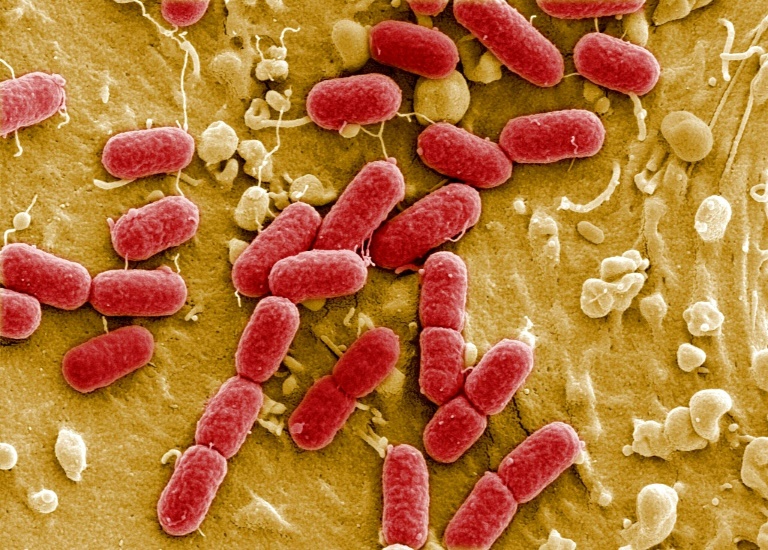
Courtesy U.S. National Institutes of Health (Public Domain)
Understanding why vaccines sometimes fail
While vaccines remain one of the greatest achievements in public health, scientists continue to investigate why some vaccinated people remain susceptible to infection. Answering that question has been central to the work of Salma Sheikh-Mohamed. Her doctoral research focused on immunity within the upper respiratory tract, the primary entry point for respiratory viruses such as SARS-CoV-2. During the pandemic, much emphasis was placed on measuring antibodies in blood. Sheikh-Mohamed and colleagues instead explored immune responses present in saliva and mucosal tissues.
The research team helped establish methods for measuring SARS-CoV-2-specific antibodies in saliva and used these tools to demonstrate an important finding: lower levels of IgA antibodies following vaccination were associated with an increased likelihood of breakthrough infection. IgA antibodies are especially important because they act at mucosal surfaces where respiratory pathogens first establish infection. This type of immunity is often referred to as the “first line of defence” against airborne diseases.
The findings have direct implications for vaccine development. Future vaccines may increasingly aim not only to generate strong systemic immunity but also to stimulate robust mucosal immune responses. Nasal vaccines and other delivery methods designed to activate local immunity are already under investigation by several research groups worldwide. From a healthcare perspective, better understanding of mucosal immunity could improve vaccine effectiveness, reduce transmission and support more targeted vaccination strategies. Such advances could prove critical during future outbreaks of influenza, coronaviruses or other respiratory pathogens.
There is also a substantial economic dimension. Infectious diseases generate enormous costs through healthcare spending, workforce disruption and productivity losses. Even modest improvements in vaccine effectiveness can translate into significant savings for health systems and national economies. Sheikh-Mohamed’s work also highlights another important aspect of scientific progress: knowledge translation. Findings that clarify how immune protection operates provide regulators, manufacturers and policymakers with evidence needed to optimise vaccination programmes and improve public health outcomes.
Using microbiome science to reduce antibiotic dependence
Perhaps the most unexpected research among the awardees came from Maxine Ty, who focused not on humans but on chickens. Yet her findings could have some of the widest societal implications. Commercial poultry production has historically relied heavily on antibiotics to prevent disease and promote growth. While effective, this practice has contributed to the global problem of antimicrobial resistance, a phenomenon that the World Health Organization considers one of the most serious threats to modern medicine. Ty investigated how probiotic supplements influence the chicken gut microbiome and affect susceptibility to Campylobacter jejuni, one of the most common bacterial causes of foodborne illness worldwide.

The chicken gut contains a complex microbial ecosystem analogous to the human microbiome. By analysing how different probiotic formulations altered microbial composition and function, Ty identified approaches capable of improving poultry health while potentially reducing pathogen colonisation.
This work is important on several levels. First, healthier poultry flocks can reduce agricultural losses and improve production efficiency. Second, reducing reliance on antibiotics supports international efforts to slow the emergence of resistant bacteria. Third, lower levels of pathogens such as Campylobacter entering the food chain may help reduce human foodborne disease.
The economic benefits are potentially substantial. Foodborne illnesses generate significant healthcare costs each year while also affecting consumer confidence and international trade. More effective microbiome-based interventions could help producers meet increasingly stringent regulatory expectations regarding antibiotic stewardship. Ty’s research also reflects a broader scientific shift toward harnessing microbiomes as therapeutic tools. Instead of viewing bacteria solely as disease-causing organisms, researchers increasingly recognise microbial communities as essential partners in health. Similar concepts are now being explored in humans to address conditions ranging from gastrointestinal disorders to neonatal development and immune regulation. Indeed, Ty has already moved into research examining the gut microbiomes of premature infants, applying computational and bioinformatics approaches developed during her doctoral studies.
Although their projects differ considerably, Muthuraman, Sheikh-Mohamed and Ty share a common theme: all are addressing complex biological systems that underpin health and disease. Their work demonstrates the value of investing in microbiology, immunology and infectious disease research long before a crisis emerges. For society, these discoveries offer multiple potential benefits, including improved therapeutic antibodies capable of responding rapidly to emerging pathogens, better vaccines informed by a deeper understanding of mucosal immunity, and reduced antibiotic use in agriculture through microbiome-based interventions.
The COVID-19 pandemic underscored the importance of scientific readiness. Many of the innovations deployed during the crisis were built on decades of earlier research that initially appeared highly specialised. The work of these Canadian scientists follows the same trajectory. Fundamental discoveries made today can become the technologies, medicines and policies that safeguard populations tomorrow. Recognition through the EPIC Future Leaders Prize therefore celebrates more than academic achievement. It highlights a pipeline of scientific talent whose discoveries could strengthen healthcare systems, improve economic resilience and contribute to a healthier future.
Three Canadian microbiologists recognised for breakthrough research that could transform healthcare and food security
#Canadian #microbiologists #recognised #breakthrough #research #transform #healthcare #food #security