Canada’s microbial fuel factories: How university researchers are turning microorganisms into the next generation of biofuels
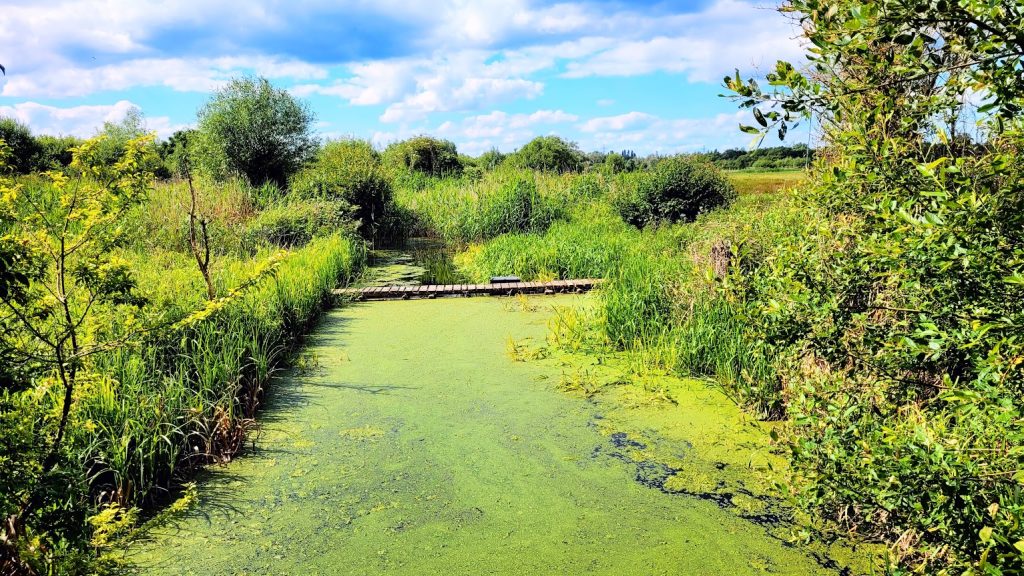
As governments and industries search for alternatives to fossil fuels, biofuels remain one of the most promising routes toward decarbonising transportation, aviation and industrial processes. Yet traditional biofuels, produced from crops such as corn, wheat and sugarcane, have long attracted criticism due to land-use requirements, competition with food production, and variable environmental performance. Increasingly, scientists are looking elsewhere, to microorganisms.
Across Canada, university researchers are investigating algae, cyanobacteria, bacteria and engineered yeasts capable of converting carbon dioxide, waste streams and renewable biomass into fuels and fuel precursors. While commercial-scale deployment remains some distance away, the science suggests that microorganisms could become the basis of a new generation of sustainable fuel production systems.
Microorganisms offer several advantages over conventional energy crops. Many species grow rapidly, require little land, can be cultivated using wastewater or industrial emissions, and often produce oils, alcohols or hydrocarbons naturally. Microalgae, in particular, have attracted considerable attention because they are photosynthetic and can convert sunlight and carbon dioxide into energy-rich lipids. Researchers at Canada’s National Research Council have described algae as robust microorganisms capable of growth in photobioreactors, open ponds and wastewater systems without relying on agricultural land. The resulting biomass can then be converted into biodiesel, bio-oil, bioethanol and other renewable fuels.
Rather than extracting carbon from geological deposits formed millions of years ago, microbial systems recycle contemporary carbon already circulating in the atmosphere.
Algae remain the leading candidates
One of Canada’s most important academic resources in algal biotechnology is the Canadian Phycological Culture Centre (CPCC) at the University of Waterloo. The collection contains more than 400 strains of algae and cyanobacteria, many originating from Canadian waters, providing researchers with a vast genetic library for biotechnology applications, including biofuel development.
Several species stand out including Chlorella vulgaris. This freshwater microalga is among the most extensively studied organisms for biodiesel production. Under nutrient-limited conditions, Chlorella accumulates large quantities of lipids, which can be extracted and converted into biodiesel through transesterification. Researchers view the species as attractive because of its rapid growth and relatively high oil content.
Another microalga receiving attention is Scenedesmus obliquus. University of Toronto research has examined engineered biofilms containing this species, exploring ways to increase biomass productivity while reducing harvesting costs—one of the major economic barriers to algal fuel production.
Although often referred to as blue-green algae, cyanobacteria are actually photosynthetic bacteria. These organisms are particularly interesting because they can be genetically modified to directly produce fuel molecules, including ethanol, hydrogen and hydrocarbon-like compounds. The CPCC maintains numerous cyanobacterial strains specifically for biotechnology research, carbon sequestration studies and environmental applications.

Beyond naturally occurring algae, Canadian researchers are increasingly applying synthetic biology to microorganisms. At the University of Calgary, biotechnology research includes microbial metabolic engineering aimed at producing renewable energy products through modified biological pathways. Researchers are investigating how microbial systems can be redesigned to manufacture valuable compounds more efficiently, potentially creating industrial-scale microbial production platforms.
Rather than relying solely on lipid accumulation, synthetic biology enables scientists to reprogram microbes to produce specific chemicals that can serve as advanced biofuels. These include isobutanol, ethanol, and sustainable aviation fuel intermediates.
Methane-eating bacteria: Another possibility
An intriguing area of Canadian research involves methanotrophs. These are bacteria that consume methane as their primary energy source. The University of Calgary’s microbial ecology research includes investigations into microorganisms involved in methane cycling. Methanotrophs possess enzymes capable of oxidizing methane into useful carbon compounds that can potentially be transformed into fuels, chemicals and biomaterials.
This approach has dual environmental value in terms of reducing methane emissions, a potent greenhouse gas and producing valuable fuel feedstocks from waste methane streams. This means landfills, wastewater treatment facilities and agricultural operations could eventually become sources of renewable carbon for microbial conversion systems.
Many microbial biofuel systems are attractive because they can utilize materials that would otherwise be discarded. Researchers at the University of Toronto have explored biological conversion processes involving wastewater, biosolids and industrial emissions. Coupling waste treatment with microbial cultivation creates the possibility of simultaneously reducing pollution while generating fuel feedstocks.
This “circular bioeconomy” concept is gaining increasing support among policymakers and researchers because it addresses multiple sustainability challenges simultaneously. Instead of viewing wastewater as a disposal problem, it becomes a nutrient source and instead of treating carbon dioxide as waste, it becomes feedstock.
Perhaps the most significant future market for microbial biofuels lies in aviation. While passenger vehicles are increasingly electrified, aircraft remain dependent on energy-dense liquid fuels. Algal oils are chemically similar to some petroleum-based fuel fractions and can be upgraded into sustainable aviation fuel (SAF). Researchers continue to investigate hydrothermal liquefaction and catalytic conversion technologies capable of transforming algal biomass into jet-fuel-compatible products.
The challenges remain substantial
Despite the scientific promise, microbial fuels have experienced cycles of hype and disappointment. The primary challenge remains economics, since producing fuel from microorganisms still typically costs more than extracting and refining petroleum. Harvesting microalgae, extracting oils, maintaining cultivation systems and scaling photobioreactors all require substantial investment. Numerous studies have concluded that while technically feasible, large-scale algal fuel production remains commercially challenging. There is also a biological trade-off in that many microorganisms grow rapidly but produce relatively little fuel. Others accumulate large amounts of oil but grow slowly.
Researchers have wrestled with this problem for decades, prompting increasing interest in genetic engineering and synthetic biology approaches designed to optimize both productivity and fuel yield. Yet, if Canadian researchers can improve microbial productivity, lower harvesting costs and integrate fuel production with carbon capture and wastewater treatment, microbial biofuels could become one of the country’s most important bioeconomy sectors over the next two decades. But the economics suggest that success will come from combining fuel production with multiple revenue streams rather than relying on fuel sales alone.
Canada’s microbial fuel factories: How university researchers are turning microorganisms into the next generation of biofuels
#Canadas #microbial #fuel #factories #university #researchers #turning #microorganisms #generation #biofuels