Two Humanoid Robots Just Completed the First Live Surgeries as a Team
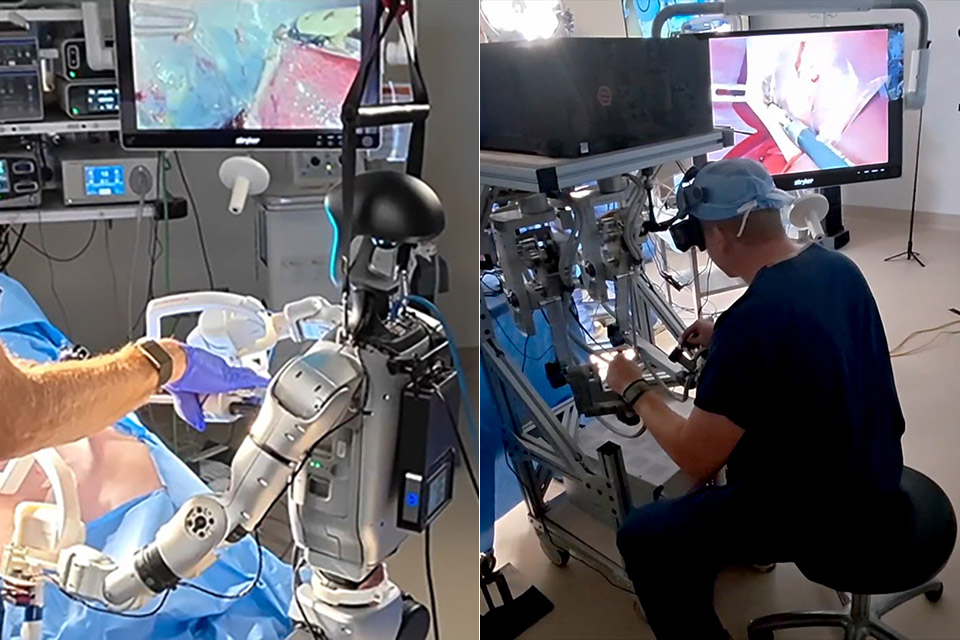
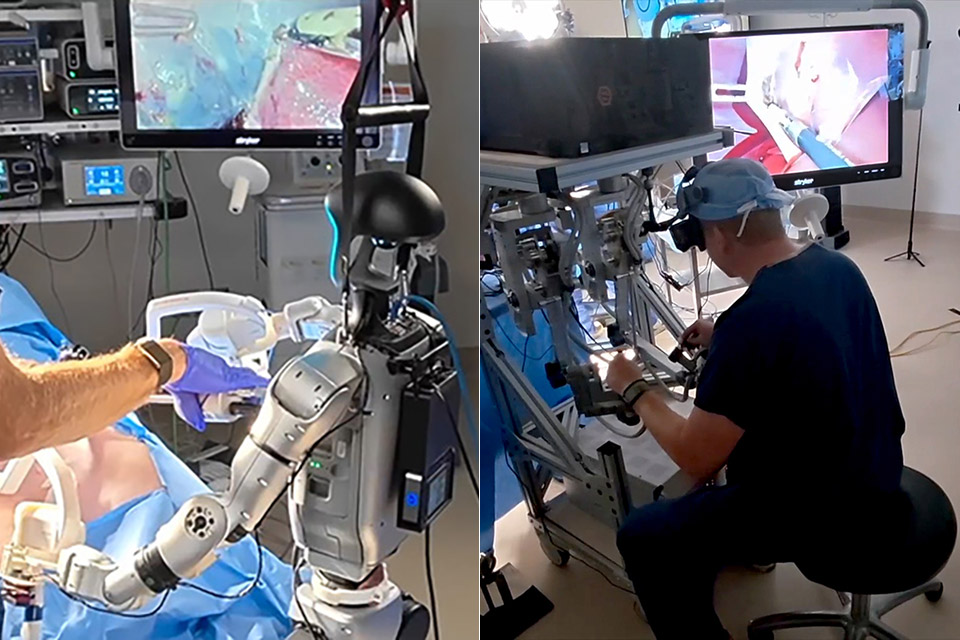
Surgeons and engineers at the University of California San Diego reached a clear milestone this month. A pair of teleoperated humanoid robots finished two separate gallbladder removal operations on large animals during a controlled preclinical trial. One case paired a single robot with a human surgeon who assisted at the table. The second case had both robots work together from start to finish with no human hands directly involved in the procedure itself.
The findings were published in the journal Nature on July 8. It’s a big milestone since it’s the first time a pair of humanoid robots has successfully completed a live surgery together. Researchers have dubbed them “Surgie,” and they are exactly that: five-foot-tall, sixty-pound robots designed to do the job. To make them compatible with existing equipment, the engineers designed custom adaptors that allow them to grip and operate standard laparoscopic tools. Pretty useful for a small robot.

Unitree G1 Humanoid Robot(No Secondary Development)
- Sleek & Durable Design: Standing at 132cm tall and weighing only approx. 35kg, the G1 is constructed with aerospace-grade aluminum alloy and carbon…
- High Flexibility & Safe Movement: Boasting 23 joint degrees of freedom (6 per leg, 5 per arm), it offers an extensive range of motion. For safety, it…
- Smart Interaction & Connectivity: Powered by an 8-core high-performance CPU and equipped with a depth camera and 3D LiDAR. It supports Wi-Fi 6 and…
The first time, a surgeon sat at a control desk, directing one of the robots through the major phases of a laparoscopic cholecystectomy, a common procedure. A colleague waited by to help with activities like pulling on tissue or passing in tools. The second procedure involved both robots working simultaneously, with the surgeon monitoring from the console and intervening to make corrections as needed. Both procedures were successful.
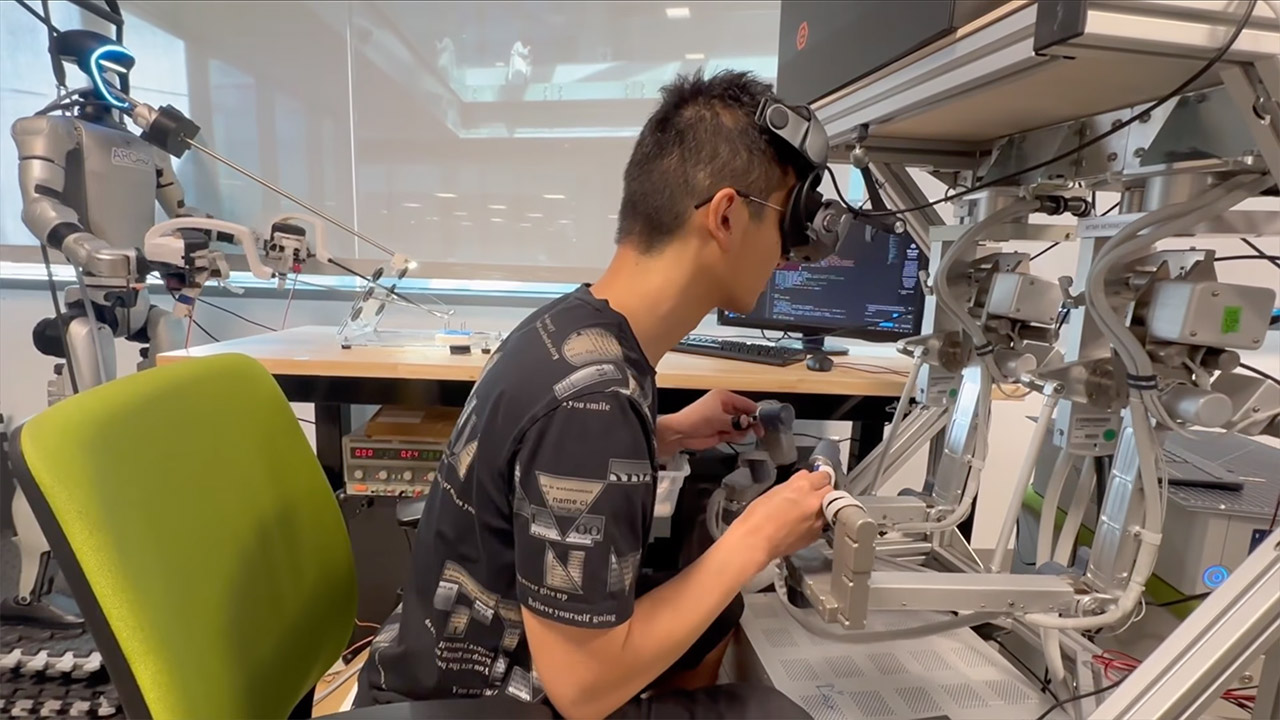
The system was run by teleoperation, which meant that the surgeon’s hand motions at the desk were translated into the robot’s actions. There was some lag, which forced them to wait a few times for calibration, however this increased the length of the procedure. Despite this, the precision was comparable to that of a specialized robotic system.
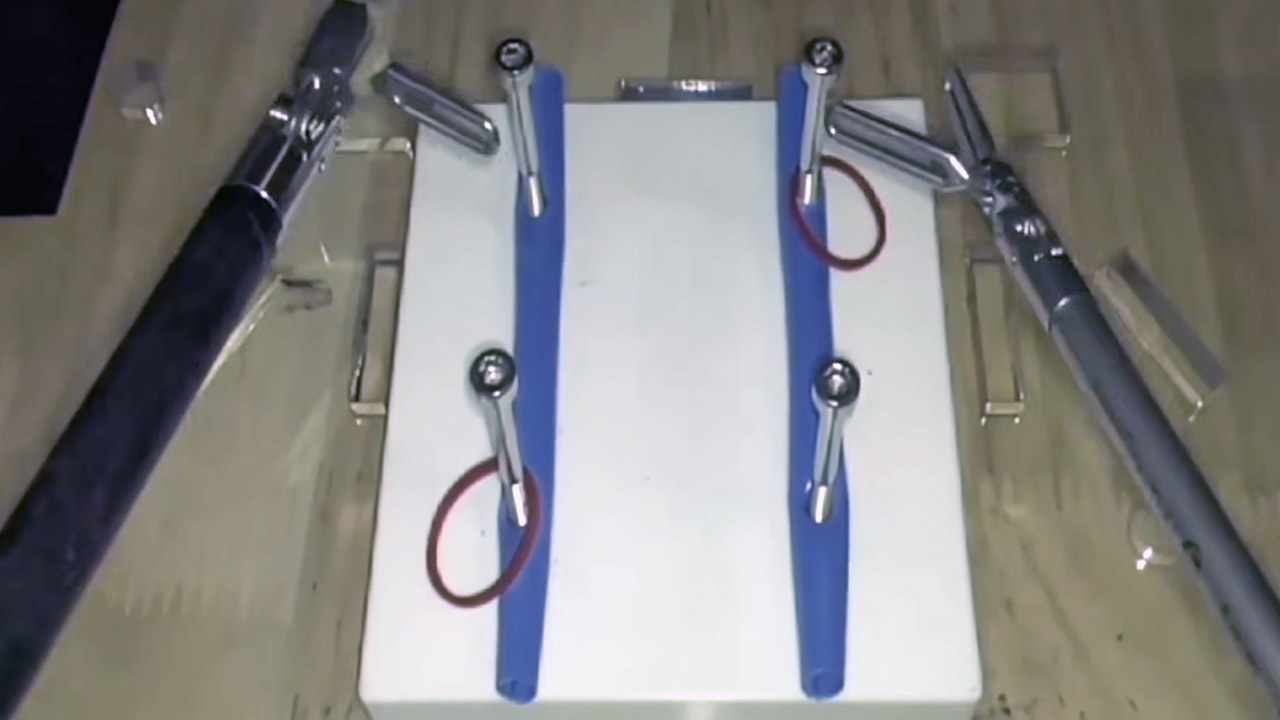
According to Shanglei Liu, a UC San Diego assistant professor and the paper’s lead author, the robots performed just as well as the conventional approaches. He also emphasizes that this new method is considerably easier to apply in a wider range of scenarios due to its simplicity and low cost. Michael Yip, a professor of electrical and computer engineering and another senior author on the project, sees the big picture. He expects that more remotely operated and eventually autonomous humanoid robots would help deliver surgical care to areas where there aren’t enough experienced workers. It may also help provide emergency medical care to disaster zones and other areas where moving heavy equipment is difficult.
[Source]
Two Humanoid Robots Just Completed the First Live Surgeries as a Team
#Humanoid #Robots #Completed #Live #Surgeries #Team