Patients take control: Why direct access to medical records in Canada is reshaping healthcare
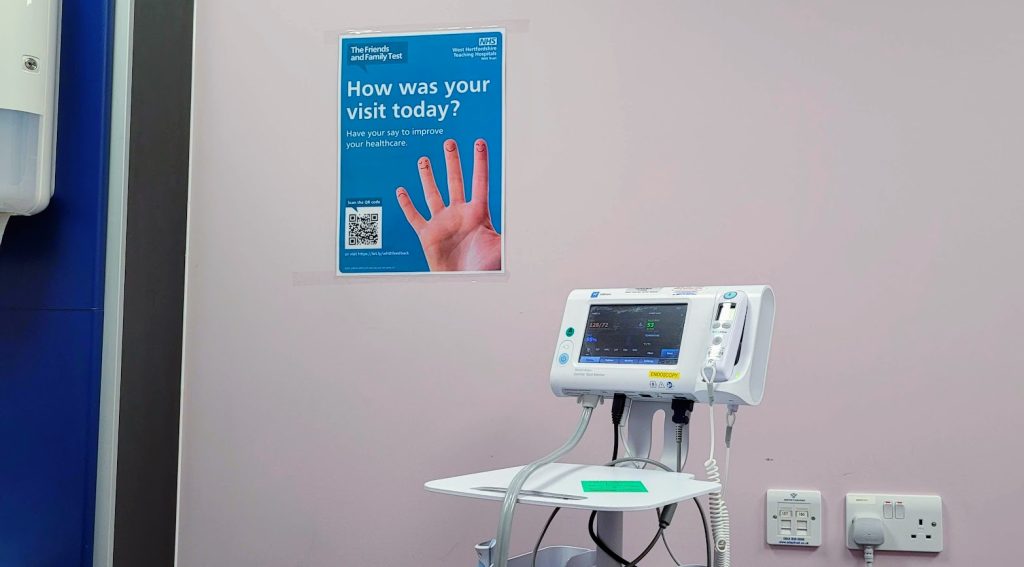
For many Canadians, accessing personal healthcare information has historically been a slow and fragmented process. Obtaining laboratory results, prescription histories, diagnostic imaging reports or specialist correspondence often required phone calls, paper requests and lengthy administrative procedures. Today, that model is changing rapidly as provincial healthcare systems, health technology companies and digital health initiatives increasingly place healthcare information directly into patients’ hands.
Across Canada, a growing number of digital applications and patient portals are allowing citizens to access prescriptions, laboratory data, vaccination records and medical imaging information online. While the shift may appear largely technological, it represents a deeper transformation in how healthcare is delivered, managed and experienced.
A changing healthcare relationship
For decades, medical records functioned primarily as tools for healthcare professionals. Physicians documented patient histories, laboratory results remained within hospital systems and imaging records were often stored in department-specific databases. Patients frequently relied upon clinicians to interpret and provide access to information. Digital healthcare is changing this relationship. Increasingly, patients are becoming active participants in managing their own healthcare journeys. Online access allows individuals to view information in real time, review historical records and better understand their treatment plans.
The move aligns with a broader trend towards patient-centred care, where informed patients work in partnership with healthcare professionals rather than relying exclusively on traditional provider-driven information flows.
Canada’s healthcare system is administered at the provincial and territorial level, leading to different approaches across the country. Several provinces have invested heavily in digital health platforms designed to improve patient access to personal medical information.
In Ontario, digital health initiatives supported by organizations such as Ontario Health aim to increase citizen access to healthcare information and services. British Columbia has expanded patient access through services connected to allowing residents to view health records and laboratory information. Alberta’s platform provides secure access to immunization records, medications and test results. These systems demonstrate a common objective: allowing patients to become more informed and engaged in their care.
Why access matters
The benefits of direct healthcare information access extend beyond convenience. Patients living with chronic diseases often require frequent monitoring and regular interaction with healthcare providers. Individuals managing conditions such as diabetes, cardiovascular disease or autoimmune disorders may undergo repeated laboratory testing and specialist assessments.
Immediate access to results can help patients track disease progression, monitor treatment effectiveness, identify healthcare trends, and to participate more effectively in clinical discussions.
Similarly, patients undergoing cancer treatment may benefit from rapid access to laboratory results and imaging reports, helping them better understand treatment responses and care pathways. Access also helps reduce dependency on fragmented information systems when patients move between providers.
One of the recurring challenges within Canadian healthcare is coordination between multiple care settings. Information exchange between these settings is not always seamless. Digital patient portals offer a potential solution by making healthcare information directly available to patients themselves. Instead of relying solely on institutional communication channels, individuals can carry their own information between care providers.
For rural and remote populations, where specialist access may require significant travel or consultation with multiple institutions, digital access may prove particularly valuable.
Startups are expanding the ecosystem
Alongside provincial initiatives, health technology companies are developing new tools aimed at empowering patients. Many digital health startups focus on integrating information from multiple healthcare sources into single patient-friendly platforms. The goal is not simply to digitise records but to create a more comprehensive healthcare management experience.
Artificial intelligence is also becoming part of the conversation. New systems are beginning to explore ways of helping patients interpret clinical information by providing educational resources alongside laboratory findings and diagnostic reports. Such developments could help address one of the main criticisms of record transparency: access alone does not necessarily equal understanding.
Direct access to healthcare records is not without challenges. Medical reports are often written for healthcare professionals rather than the general public. Diagnostic imaging reports, blood-test interpretations and specialist correspondence frequently contain technical terminology that may be confusing for patients. There is a risk that patients might misinterpret findings or become unnecessarily concerned about results that have limited clinical significance.
Healthcare organizations are increasingly recognising that access must be accompanied by education. Many digital platforms now provide explanatory material, reference ranges and supplementary guidance to help users understand what they are viewing.
The expanding availability of digital health information inevitably raises questions about privacy and security. Healthcare data is among the most sensitive categories of personal information. Breaches can have profound consequences, including identity theft, fraud and loss of public trust. Canadian healthcare organizations therefore face growing pressure to ensure that patient-facing applications meet stringent cybersecurity requirements. Secure authentication, data encryption and ongoing security monitoring are becoming essential components of digital healthcare infrastructure.
Patients take control: Why direct access to medical records in Canada is reshaping healthcare
#Patients #control #direct #access #medical #records #Canada #reshaping #healthcare