Canada modernises tornado warnings: New hyper-targeted alerts could save lives and reduce “alert fatigue”
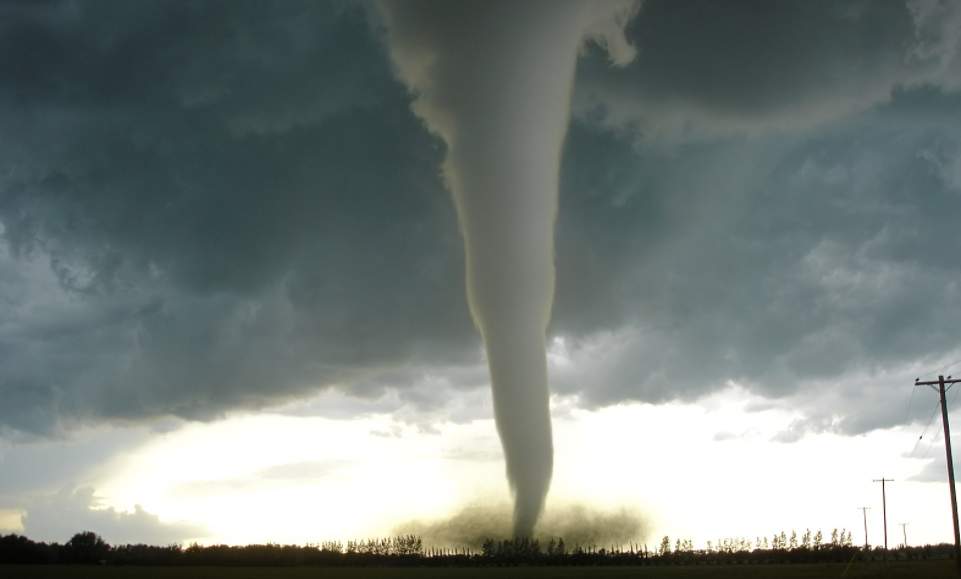
Canada has taken a significant step forward in public weather safety with the introduction of a modernized severe weather warning system designed to provide more accurate and geographically targeted alerts for tornadoes and severe thunderstorms. Environment and Climate Change Canada (ECCC) has officially launched its Convective Alert Modernization (CAM) programme, replacing the long-standing approach of issuing warnings based on large pre-defined geographic zones with a more precise system based on the actual projected path of dangerous storms.
The change may sound technical, but it has potentially important consequences for public safety. In a country experiencing increasingly frequent severe weather events, from Prairie tornadoes to intense thunderstorms in Ontario and Quebec, better targeting of warnings could help Canadians respond more effectively to imminent threats while reducing unnecessary alerts.
From large zones to storm-specific warnings
Under the previous system, weather alerts were issued according to fixed forecast zones. These zones often covered large geographic areas, meaning people could receive tornado warnings even when the storm was many kilometres away and posed little or no immediate risk. The new CAM system allows forecasters to draw customized warning areas, known as free-form polygons, around locations most likely to be affected by a severe thunderstorm or tornado. As the storm moves, the polygon can be updated, ensuring warnings remain focused on areas at greatest risk. According to ECCC, the objective is straightforward: deliver more precise, more relevant, and faster warnings to Canadians when severe weather threatens. The agency says streamlined processes and semi-automated text generation also allow warnings to be issued more rapidly in both English and French. For rapidly evolving weather situations, even a few additional minutes can make a difference.
Canada’s move is not without precedent. The United States National Weather Service has employed polygon-based storm warnings since 2007. Meteorologists have long argued that storm-based warning systems provide more accurate risk communication than alerts tied to administrative boundaries such as counties or municipalities.
David Sills, director of the Northern Tornadoes Project at Western University, welcomed Canada’s adoption of the approach. As Sills noted, meteorological hazards do not follow municipal boundaries. By issuing warnings according to the anticipated path of the storm itself, forecasters can better target those most likely to experience dangerous conditions. This represents a significant evolution in how severe weather information is communicated. Instead of warning entire cities or counties, meteorologists can focus alerts on the specific communities, roads, neighbourhoods, or rural areas expected to be affected.
Tackling alert fatigue
One of the most compelling arguments for the new system is its potential to address a growing issue known as alert fatigue. Emergency-management professionals have become increasingly concerned that excessive warnings may cause some members of the public to become desensitized. When people repeatedly receive alerts for events that never affect them, they may begin to ignore future notifications, including those associated with genuine threats.
Kenora’s Director of Emergency Services, Gordon Howard, highlighted this challenge in comments reported by CBC. According to Howard, emergency notification systems must strike a balance between caution and credibility. Issue too many warnings and public trust can erode; issue too few and lives may be placed at risk. Reducing unnecessary warnings may strengthen confidence in the system and encourage people to act when alerts are received. This could be especially important as climate-related severe weather becomes more common across many parts of Canada.
The modernisation arrives against a backdrop of increasing concern about severe weather. According to reporting from Radio-Canada International, Manitoba had already recorded ten tornadoes by mid-July 2026, exceeding its 30-year annual average of 8.5 tornadoes. Meanwhile, northwestern Ontario has experienced multiple tornado warnings this summer, and intense convective storms have affected regions from Alberta to Quebec.
Scientists continue to study the relationship between climate change and severe thunderstorms, but there is broad agreement that rising temperatures increase atmospheric moisture and energy, creating conditions favourable for certain extreme weather events. As weather systems become more dynamic, advanced forecasting and warning technologies will likely become increasingly important components of Canada’s resilience strategy.
Beyond improved targeting, CAM introduces several new operational capabilities. Forecasters can now issue multiple overlapping warnings for different threats occurring in the same geographic area. This flexibility is particularly valuable during complex weather outbreaks involving multiple storm cells. The system also leverages semi-automated generation of bilingual warning text, allowing alerts to be distributed more quickly than under previous processes. As severe storms often develop and intensify rapidly, the combination of improved speed and enhanced geographic accuracy could provide Canadians with more actionable information during critical moments.
Some limitations remain
Despite the improvements, experts note that implementation is not yet complete across all communication channels. At present, targeted polygon alerts are primarily delivered through mobile networks and the WeatherCAN application. Traditional television and radio broadcasts largely continue to use broader alert regions because transmission areas remain comparatively large. As a result, some Canadians may still hear warnings that apply to generalized broadcast zones rather than narrowly defined storm paths. Meteorologists suggest that mobile devices and the WeatherCAN app will increasingly become the preferred channels for receiving the most precise severe weather information.
Under the new system, people receiving alerts on their smartphones are more likely than before to be directly within an area facing elevated risk. The changes also reinforce the importance of maintaining access to reliable weather information, particularly during peak severe-weather seasons.
Canada modernises tornado warnings: New hyper-targeted alerts could save lives and reduce “alert fatigue”
#Canada #modernises #tornado #warnings #hypertargeted #alerts #save #lives #reduce #alert #fatigue