Direct-to-device satellites could transform connectivity across Canada
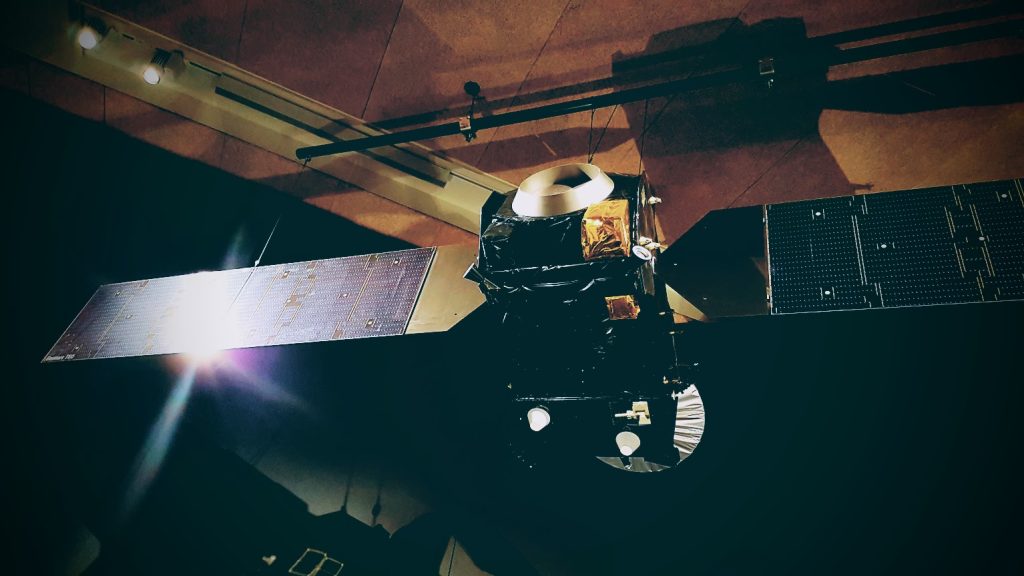
For decades, mobile communications have depended on terrestrial infrastructure. Cell towers, fibre networks and microwave links have formed the backbone of wireless connectivity. Yet vast areas of Canada remain difficult to serve because of challenging geography, sparse populations and extreme environmental conditions. A new generation of technology known as direct-to-device (D2D) satellite communications could change this.
Unlike conventional satellite phones that require specialised equipment, D2D systems are designed to connect directly with ordinary smartphones using orbiting satellites. If successful at scale, these networks could dramatically extend wireless coverage into remote regions, improve public safety and reshape the future of telecommunications. For Canada, a country stretching nearly 10 million square kilometres from the Atlantic to the Pacific and Arctic oceans, the implications could be profound.
Traditional satellite communications generally require dedicated hardware with specialised antennas. D2D technology takes a different approach. The concept involves satellites functioning as space-based cell towers, communicating directly with standard mobile phones using existing mobile spectrum allocations. This allows users to send messages, access emergency services and eventually place calls or access data services in areas beyond the reach of terrestrial cellular networks.
Several organisations are currently developing D2D systems, including SpaceX’s Starlink Direct to Cell initiative, Lynk Global and AST SpaceMobile. Instead of building thousands of additional towers to cover sparsely populated regions, operators can use satellite constellations to provide connectivity from orbit.
Why Canada is uniquely positioned
Canada represents one of the strongest use cases for D2D technology. Although mobile coverage in urban and suburban regions is generally extensive, large areas of the country remain difficult to reach through traditional infrastructure. Many of these locations have historically experienced limited or no mobile coverage. Telecommunications providers have long faced an economic challenge: the cost of constructing and maintaining towers is difficult to justify where population density is low. Satellite connectivity offers a way to fill these coverage gaps without the need for extensive new terrestrial infrastructure.
Canada has already become an important testing ground for D2D technology. In December 2023, Rogers Communications and Lynk Global announced they had completed what they described as Canada’s first successful satellite-to-mobile phone call using an ordinary smartphone. The demonstration also included SMS messaging, data transmission and emergency alerting functions. The call was conducted using Lynk’s low-Earth orbit satellites and Rogers’ wireless spectrum.
Rogers stated that the technology was intended to improve public safety and connect Canadians in remote regions using existing smartphones rather than requiring specialised devices. The company also indicated plans to support SMS, emergency notifications, voice and data services.
More recently, Rogers has expanded its satellite strategy through collaborations involving both Lynk Global and SpaceX’s Starlink constellation. Industry reports indicate the company has begun introducing direct-to-device offerings that initially focus on text messaging, with broader services expected over time.
An important area for such improved communication is public safety. Search-and-rescue organisations frequently operate in areas where conventional mobile coverage is unavailable. Hikers, hunters, campers and travellers can quickly find themselves beyond the limits of terrestrial cellular networks. Canada’s vast wilderness areas create significant communications challenges for emergency responders. The ability to send a message or contact emergency services during an incident could significantly improve response times and potentially save lives.
Beyond public safety, D2D connectivity could support economic activity throughout rural and northern Canada. Several important Canadian industries operate in remote environments, including mining, forestry, and renewable energy. Reliable communications remain essential for such modern industrial operations. While many organisations currently use dedicated satellite systems, D2D technology could provide more accessible and cost-effective connectivity for employees and equipment. The growing adoption of remote sensing, autonomous vehicles and Internet of Things (IoT) technologies may further increase demand for continuous connectivity across geographically dispersed operations.
Despite the excitement surrounding direct-to-device communications, several technical hurdles remain. Satellites orbit hundreds of kilometres above Earth. Maintaining reliable communication links with small smartphone antennas is significantly more difficult than connecting to conventional cell towers located only a few kilometres away. Current implementations typically provide basic messaging services first before gradually adding voice and data capabilities.
Although progress is rapid, D2D systems are not expected to immediately replace terrestrial mobile networks. Instead, they are likely to function as complementary technologies extending coverage into previously inaccessible regions.
Direct-to-device satellites could transform connectivity across Canada
#Directtodevice #satellites #transform #connectivity #Canada