Annmarie Skin Care chose algae for its retinol-alternative formula
Opinions expressed by Digital Journal contributors are their own.
Retinol is a familiar presence in skincare products marketed toward consumers interested in the appearance of mature skin. Alongside conventional retinol products, brands have introduced a growing number of products described as “retinol alternatives,” often positioning them as options for consumers seeking different ingredients or skincare experiences. This category has gained visibility heading into 2026, with many clean beauty brands developing their own interpretations.
Most of them reach for the same answer. Annmarie Skin Care did not, and the reason offers a look at how one brand approaches ingredient selection and product development.
The default the industry settled on
When a clean brand wants to formulate a product described as a retinol alternative, it may choose bakuchiol, a plant-derived compound that has become increasingly common in the category over the last few years. Its plant-derived origins and familiarity among skincare shoppers have contributed to its presence on many product labels.
Annmarie Skin Care passed on it. According to the brand, its team reviewed bakuchiol and ultimately chose not to include it in the formula. The decision reflected the company’s internal ingredient-selection standards rather than a claim about the ingredient’s effects or suitability for consumers. This choice is consistent with how the company has operated since it launched in 2010. Founders Annmarie and Kevin Gianni started the brand after realizing the truly pure products they wanted simply didn’t exist, leading them to establish their own formulation standards. Since then, ingredient selection has remained a central part of the company’s identity.
The harder path: An algae-derived active
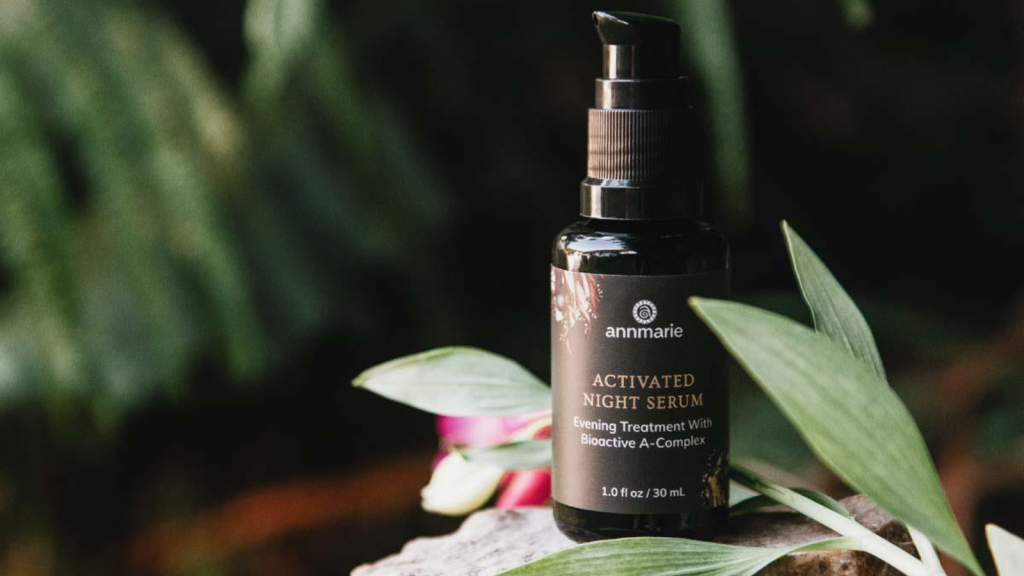
Instead of retinol or bakuchiol, the brand built its retinol alternative around an algae-derived active. Algae has become an increasingly visible ingredient in plant-based, vegan skincare formulations and is used in products marketed around the appearance and feel of the skin.
The distinction here is less about a single hero molecule and more about the decision framework behind it. The brand’s stated rule is simple: each ingredient should have a defined purpose within the formula, while sourcing and environmental considerations also inform the selection process. Choosing a less common active illustrates how the company differentiates its formulation from others in the category.

Why this reflects a broader shift
The retinol-alternative question is part of a larger movement in ingredient development. As shoppers pay closer attention to product labels, the word “clean” may not provide all the information they want. Some consumers are also interested in an ingredient’s purpose, sourcing, and place within the overall formulation. In response, brands are providing more detail about how and why particular ingredients are selected.
Annmarie’s process reflects that shift in a literal way. Formulas begin with wildcrafted and organic botanicals, infused into base oils and aloe using a proprietary method the brand calls Wild & Beautiful. The approach is more involved than some conventional formulation methods, according to the company, and reflects the founders’ preferred production model.
The standard behind the choice
A single-ingredient swap can also be viewed within the context of a brand’s broader formulation policies. Annmarie Skin Care points to its use of third-party MADE SAFE certification as one component of that framework. According to MADE SAFE, its certification process reviews ingredients against the organization’s established screening criteria and requires participating companies to submit ingredient documentation.
Within this framework, the decision not to use bakuchiol represents a company-specific formulation choice. It does not establish that bakuchiol is unsafe or that algae-based products provide medical or therapeutic effects. Instead, it shows how Annmarie Skin Care applies its stated standards when deciding which ingredients belong in its products.

What formulators can take from it
The algae-over-bakuchiol decision is a small one on its own. What makes it worth studying is the logic: a brand looked at an ingredient widely used within the category, decided it was not the right fit for this particular formula, and pursued a different formulation path. For an industry where “natural retinol alternative” has become closely associated with bakuchiol, the decision provides an example of how brands can distinguish their products through ingredient selection.
And as retinol alternatives continue appearing on 2026 ingredient-trend lists, brands may face more questions about not only which active they selected, but also the formulation reasoning behind that selection. Annmarie Skin Care’s algae-based approach provides one answer, grounded in the company’s own product-development standards rather than broader health or safety claims.
Annmarie Skin Care chose algae for its retinol-alternative formula
#Annmarie #Skin #Care #chose #algae #retinolalternative #formula