Westerlund 2 Shimmers in Pink as Chandra and Webb Telescopes Peer into Its Stellar Nursery
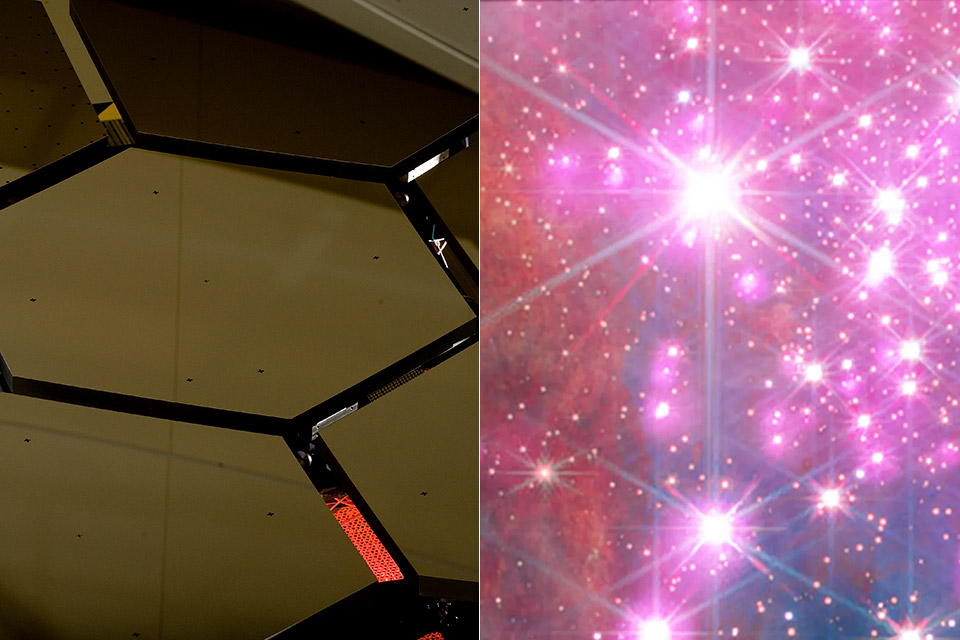
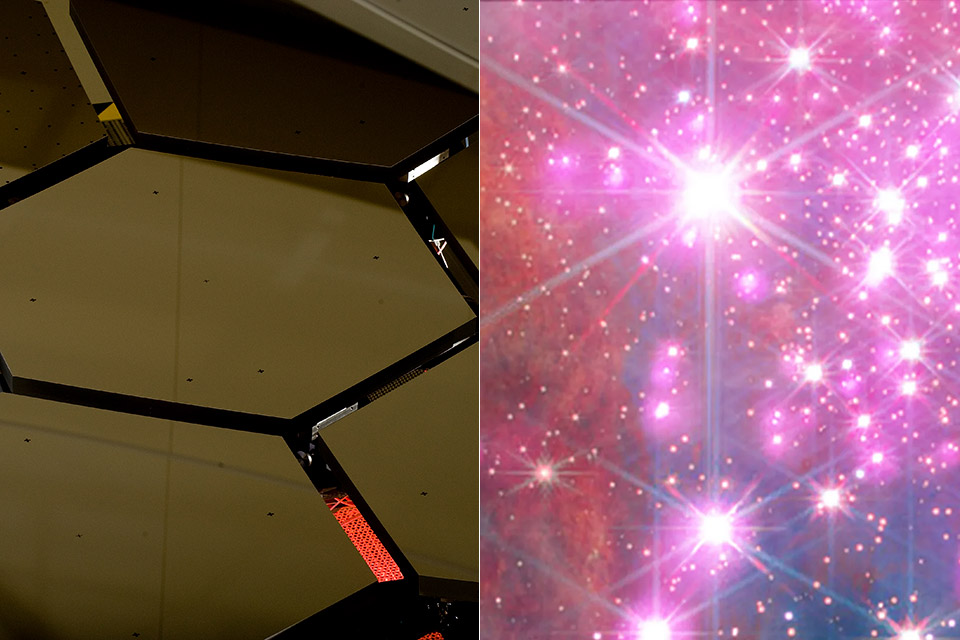
Photo credit: NASA/MSFC/David Higginbotham/Emmett Given
Astronomers released a composite image of Westerlund 2 that merges X-ray observations from Chandra with infrared data from the James Webb Space Telescope. The result turns a distant star cluster into a scene of gleaming points ringed by neon pink against swaths of warmer dust tones.
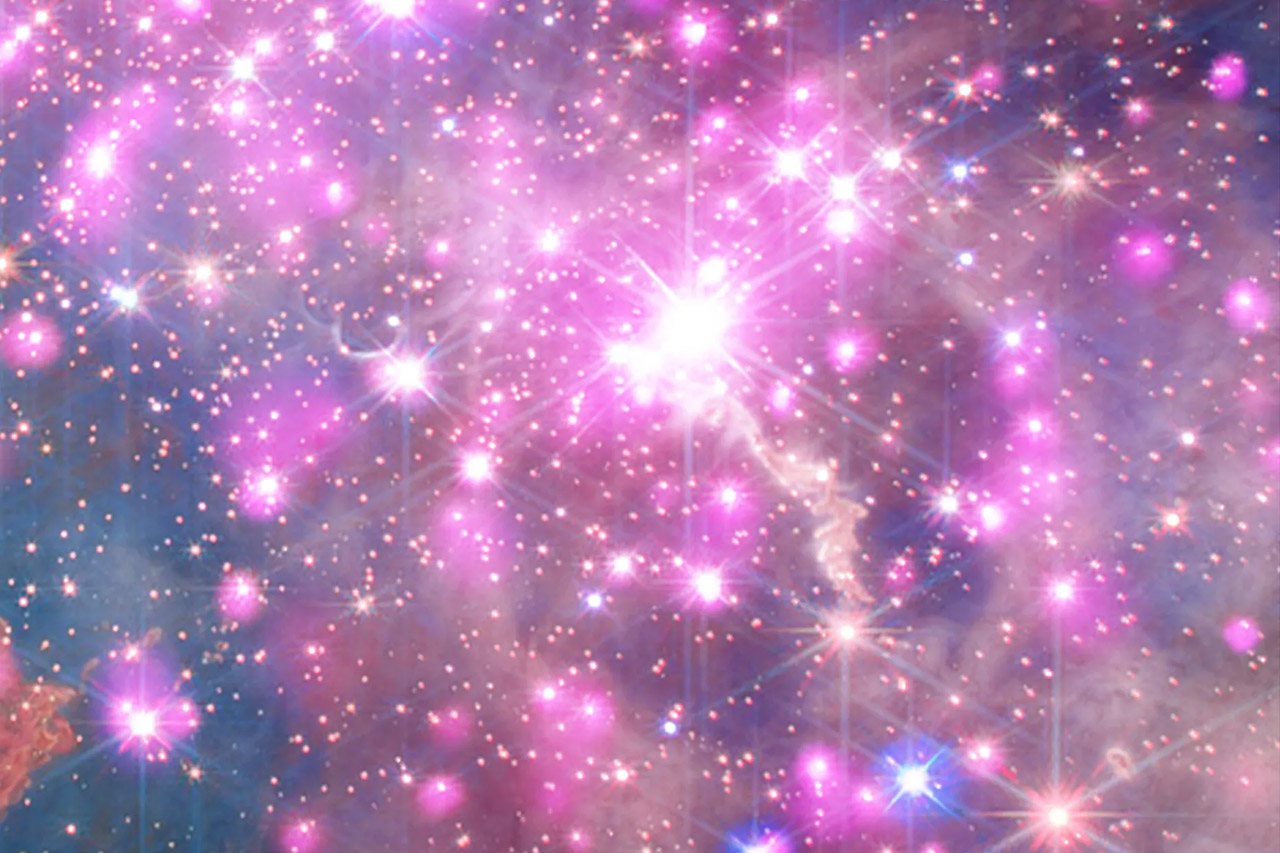
Dozens of stars jump out from the center of the frame, with pink halos and outlines appearing all over the place because Chandra is capturing the X-rays emitted by the blazing hot, largest stars. These X-rays frequently reveal material that has been cooked by tremendous stellar winds, which act like cosmic shockwaves, slamming into the surrounding gas and reaching temperatures of millions of degrees.
Sale

LEGO Technic Planet Earth and Moon in Orbit Building Set, Outer Space Birthday Gift for 10 Year Olds…
- Interactive model – Inspire kids to build a representation of the Earth, Sun and Moon in orbit with this LEGO Technic Planet Earth and Moon in Orbit…
- Educational space toy – Kids can turn the crank to see how the Earth and the Moon orbit around the Sun
- Includes months and moon phases – This solar system toy includes printed details, like the month and moon phases to help kids see how the Earth’s…
At the bottom of the image, you can see brick-orange dust clouds. Webb was able to record this in a variety of IR wavelengths, and it has been colored in to create a three-dimensional effect, with each color representing a distinct wavelength. The fascinating thing about Webb is that it can see through thick clouds that block out visible light and pick out the dust and the stars that are still trapped inside.
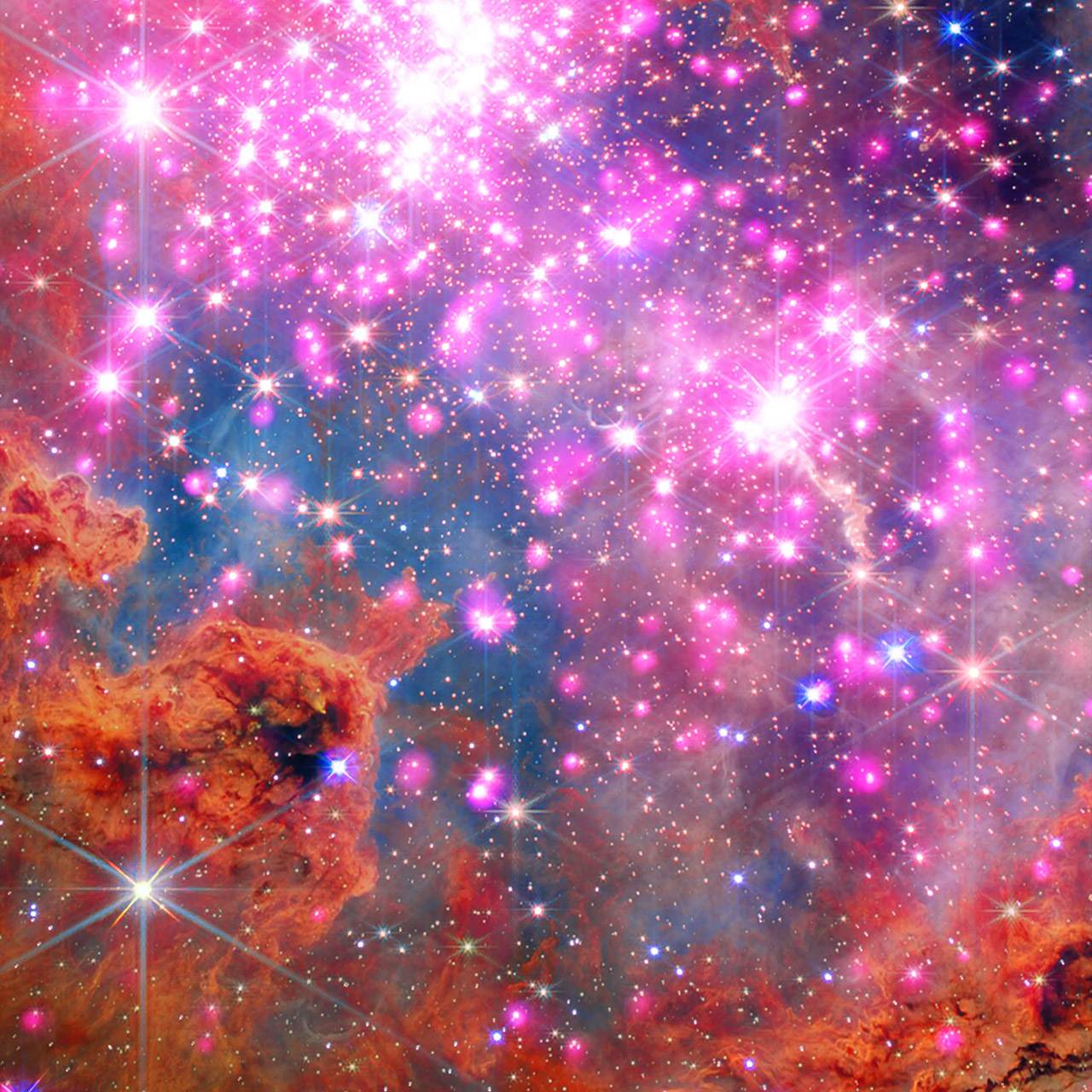
Chandra’s contribution to this image illustrates the extremely energetic activity that isn’t observable at other wavelengths. In a newborn cluster like this one, the most intense winds from super-hot O-type stars collide, forming small pockets of superheated gas. These areas emit X-rays, which appear pink in the composite image, and indicate where the brightest stars are beginning to have an impact on their surrounds. Webb is creating cooler, denser layers because its infrared channels can detect dust grains warmed up by nearby stars and show how they spread throughout the space. Different colors represent varying temperatures and compositions, providing a clear picture of the various layers of gas and dust that continue to fuel star formation in the cluster.
Westerlund 2 is around 20,000 light years away, located in the Carina constellation. It’s one of the closest examples of a compact, ultra-young cluster teeming with some of the galaxy’s hottest and brightest stars. The majority of the stars in it formed within the previous 1 to 3 million years, which is a relatively young age, as evidenced by the fact that some pre-main-sequence stars are still slogging their way down the main sequence.
At the center of the cluster are dozens of O-type stars, each emitting intense ultraviolet radiation and high-speed winds. Then there are a few Wolf-Rayet stars, which are similar to O-type stars but have shed their outer layers and are emitting even greater winds. All of this is taking place in RCW 49, also known as Gum 29, a large ionized hydrogen bubble where the surrounding gas is illuminated by UV radiation from the stars.
Westerlund 2 Shimmers in Pink as Chandra and Webb Telescopes Peer into Its Stellar Nursery
#Westerlund #Shimmers #Pink #Chandra #Webb #Telescopes #Peer #Stellar #Nursery