Fascinating Look Back at Sony’s HDVS, the High-Definition Trailblazer That Arrived Decades Before Its Time
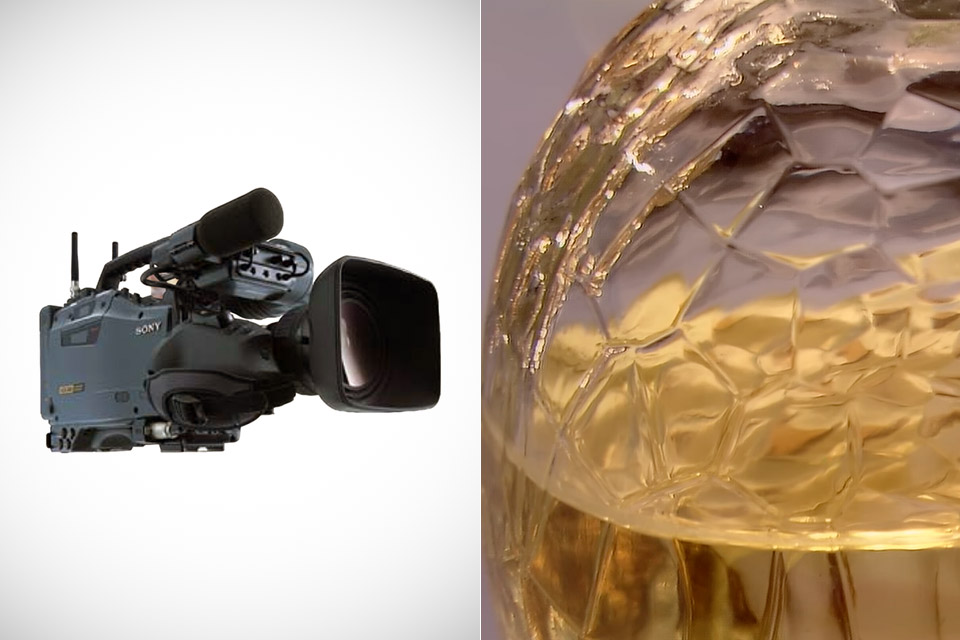
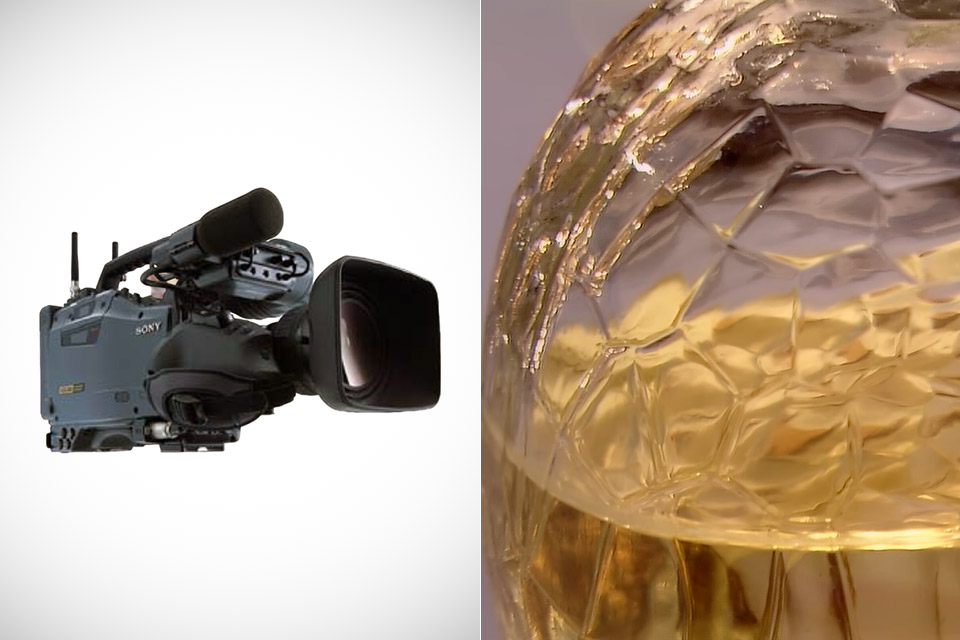
Sony engineers dropped jaws at a TV conference in Algeria in April 1981. They brought out a completely functional setup complete with a camera, monitor, and tape recorder capable of capturing images sharper and more detailed than anyone had ever seen outside of a laboratory. NHK, Japan’s main public broadcaster, had spent years working on a new standard called Hi-Vision, which effectively gave a lot more lines of resolution than ordinary TV ever could. As a result of their close collaboration, development work moved forward at full speed. Sony introduced a full line of commercial gear under the HDVS branding in April 1984, with the HDC-100 camera and HDV-1000 recorder at the center.
This system worked by creating high-definition signals from analog video across 1125 scanning lines, 1035 of which included the actual visible image. They started with a 5:3 screen ratio before switching to 16:9, which they still use today. To ensure seamless movement, video was scanned in an interlaced pattern at 60 fields per second, and the picture was noticeably clearer than anything else on TV at the time.

PlayStation 5 Portal Remote Player – Midnight Black
- Play Your Game Collection with Remote Play – PlayStation Portal Remote Player can play compatible games you have installed on your PS5 console…
- Cloud Streaming from the Game Catalog and Classics Catalog – Discover an awesome library of PS5 games on the PlayStation Portal Remote Player with…
- Cloud Streaming for PS5 Games in Your Library – With PlayStation Plus Premium, stream select digital PS5 games in Your Library from PlayStation Store…
The HDC-100 cameras were at the core of every production, with the original weighing approximately 22 pounds due to the three massive Saticon tubes within. It required calm hands to operate without overheating or causing unpleasant ‘burn in’ to the images. Later models, such as the HDC-300, attempted to enhance the tubes, while the 1988 HDC-500 began employing CCD sensors, which were much lighter and more dependable while still providing the same level of information. The recording equipment was similarly high-tech. The HDV-1000 reel-to-reel deck used standard one-inch tape but managed to record far more data. The tape moved so quickly on the heads that you were lucky to get an hour of recording on each reel, and a separate processor cleaned and smoothed the signal when you played it back.
As you can probably imagine, the pricing for this system were outrageous. In 1985, the total cost of a camera, recorder, and monitor was $1.5 million. Later digital improvements, such as the 1988 HDD-1000, boosted individual items to more than $600,000, with metal-evaporated tape adding thousands more each hour of recording. Few of these systems left the plant, but when they did, they were typically used in medical labs, aerospace facilities, or animation studios where the increased resolution was critical.
There were still opportunities for creative sorts to play. Arrival, a 1986 short film about Halley’s Comet, received a theatrical release after being converted to standard film. The next year, an Italian crew completed Julia and Julia, the first full-length drama shot exclusively on this system, and it starred Kathleen Turner. Genesis was also able to get some live music events on the list, capturing their Invisible Touch Tour at Wembley Stadium for home video release.
Fascinating Look Back at Sony’s HDVS, the High-Definition Trailblazer That Arrived Decades Before Its Time
#Fascinating #Sonys #HDVS #HighDefinition #Trailblazer #Arrived #Decades #Time