
Fletcher Groseclos: Mastering multimedia production through camera operation, audio, editing, and live broadcast skills
Opinions expressed by Digital Journal contributors are their own.
Multimedia production is often described as a single skill, but anyone who has worked inside a television station knows it’s a collection of separate crafts that have to work together. A camera operator, an audio operator, an editor, and a director each control a different part of what viewers see and hear, and a newscast holds together only when their work aligns on time. Fletcher Groseclos, a media professional based in Bentonville, Arkansas, has held several of those roles, moving through camera, audio, producing, and directing positions at Hearst Television’s 40/29 and KFSM-TV (Channel 5).
Understanding how those jobs fit together can help students, career changers, and anyone producing video for a business, nonprofit, or classroom. The tools change from station to station, but the lessons, from learning a newsroom from the ground up to staying calm when a live show changes direction, carry over to almost any production setting. Each role calls for different skills, along with an understanding of what the rest of the crew needs.
How Fletcher Groseclos built skills across the production chain
Groseclos earned a Bachelor of Arts in English and Journalism from the University of Arkansas in December 2017, with a focus on creative writing. He gained much of his hands-on training through UATV, the university’s news outlet, where he worked as a field producer, assistant producer, and lead producer, and later as a reporter. In those roles, he scheduled and conducted interviews, edited video, mixed audio in Adobe Premiere Pro, and built graphics such as lower-thirds, on-screen text, and full-page visuals
During the summer of 2017, he interned at KNWA (NBC)/Fox 24 in Fayetteville, where he wrote VOSOT and pacer stories, assisted with live shots, shot b-roll for packages, logged interviews, and shadowed producers to see how they organized stories into a newscast. In 2018, he also worked on the set of True Detective, Season Three, first as a Property Production Assistant and later as a Locations Assistant.
He went on to hold several positions at 40/29 in Rogers: camera operator, associate producer, camera and audio operator, and weekend director. In December 2022, he joined KFSM-TV (Channel 5) News in Springdale as a news producer. Working in several roles helps someone understand what happens before and after their own part of a production. Having been on both sides of a handoff, they can better anticipate what a colleague needs.
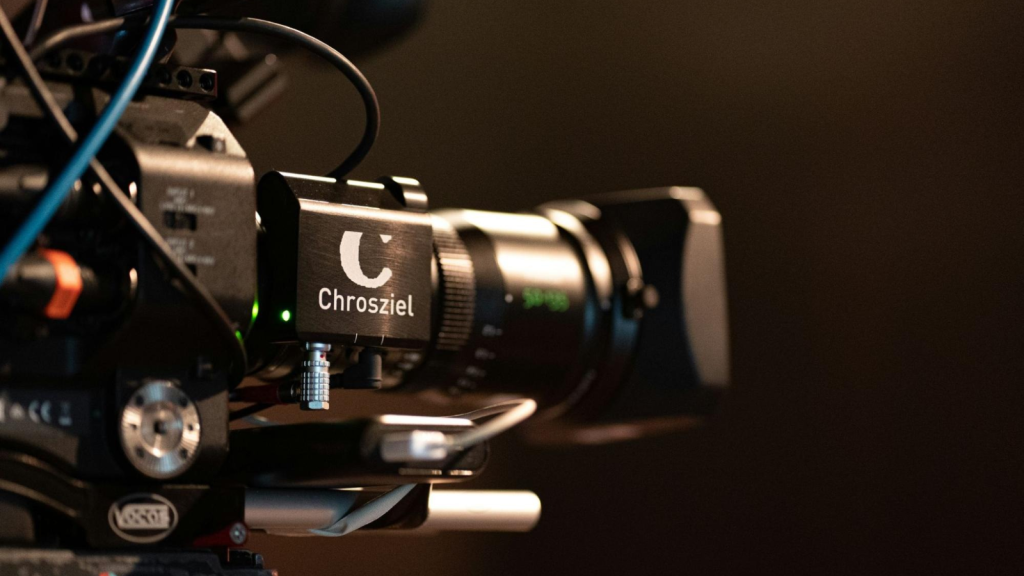
Camera operation: More than pointing and shooting
In a studio newscast, the camera operator works closely with the rest of the crew. When Fletcher Groseclos started as a camera operator at 40/29 in September 2018, the work involved coordinating live newscast shots, clipping videos, and posting content to social media. The role went beyond getting shots on air: like many camera operators, he also contributed to the station’s digital content.
A few principles apply whether the camera is in a studio or in the field. The first is to know the rundown. An operator who understands what’s coming next can reposition before the director calls for it, which saves seconds that matter on air.
The second is to communicate clearly throughout the show. Studio shots depend on the director, the floor crew, and the on-air presenters sharing an understanding of what’s happening. Brief, clear instructions help everyone stay coordinated.
The third is to shoot with the edit in mind. Field footage, such as the b-roll Groseclos shot during his KNWA internship, is most useful when the operator gathers enough variety, including wide shots, close shots, and cutaways, for an editor to build a sequence without gaps.
Audio: The craft viewers notice only when it fails
Audio is easy to underestimate because good sound tends to go unnoticed. Many viewers will forgive an imperfect shot more readily than a microphone cutting out or a distorted voice. In June 2019, Groseclos returned to work as a camera and audio operator at 40/29, maintaining sound equipment and managing live broadcasts.
Maintenance is the unglamorous core of that job. Checking microphones, cables, and levels before a show reduces the number of problems that can surface on air. During a broadcast, the audio operator has to track which sources are live, anticipate when an anchor or reporter will speak, and react when something doesn’t sound right.
Sound work also happens after the camera stops rolling. At UATV, Groseclos mixed audio as part of the editing process, balancing interviews, natural sound, and narration so that each element could be heard clearly. For anyone producing video on a small budget, it’s important to get the sound right during recording. Poor audio can be harder to fix in the edit than a slightly soft image.
Editing and graphics: turning raw material into a story
Editing is where the pieces of a story are arranged into something a viewer can follow. Groseclos has edited video packages at KFSM-TV and at UATV, and he has worked with Edius, Adobe Premiere Pro, and several broadcast graphics systems, including Chyron Camio, Axis graphics engines, HATMOS graphics, and Media OS. As an associate producer at 40/29 beginning in December 2018, he built newscasts in ENPS producer software and designed graphics through the HATMOS graphics engine.
Graphics deserve particular attention because they carry information the audience needs at a glance. A lower-third identifies a speaker, while a full-page graphic can explain a timeline or a set of figures that would be hard to follow by ear. Useful on-screen text is short, accurate, and timed to appear when the viewer needs it. Keeping that purpose in mind helps ensure every element earns its place, whether someone is editing footage, designing graphics, or deciding how long to leave them on screen.
For newer editors, one practical habit is to log footage before cutting. Logging interviews, as Groseclos did during his internship, makes it faster to find the strongest sound bite and reduces the temptation to build a story around whichever clip happens to be easiest to find.
Live broadcast direction: Making decisions in real time
Directing a live broadcast brings the other crafts together under time pressure. In July 2020, Fletcher Groseclos became weekend director at 40/29, directing live broadcasts with manual switchers, rolling and cutting videos in preview, and supervising transitions, stingers, and graphic overlays.
The director has to keep track of the whole show while making decisions about the next few seconds. Rolling a video in preview before taking it to air offers a chance to confirm it’s the right clip and that it starts cleanly. Transitions and stingers signal a change in segment or tone, so timing them well helps the audience follow the newscast. Graphic overlays need to appear while the relevant speaker is on screen, not after.
Breaking news tests all of this. As a news producer at KFSM-TV, Groseclos produced morning shows in ENPS, managed rundowns, adapted to breaking news, and coordinated with anchors, reporters, and directors. When a story changes mid-show, the rundown has to be rebuilt quickly, and the changes explained clearly to everyone in the control room and on set. Knowing how to troubleshoot technical problems while staying calm is just as necessary as knowing how to operate the equipment.
Carrying production skills beyond the newsroom
Those skills are useful outside television, too. Since August 2023, Fletcher Groseclos has worked as an independent contractor for the Literacy Council of Benton County, filming and editing videos for promotional and fundraising purposes. Nonprofits may not have a full production crew, so one person who can handle camera, audio, and editing can take on much of the work. His videos put that experience to use for a community organization.
At KFSM-TV, he also incorporated user-generated content into broadcasts to encourage community participation, a practice that reflects how audiences now contribute material to local news. Whether the final product is a morning show or a fundraising video, the fundamentals stay the same: plan the shots, get clear sound, edit with the audience in mind, and stay on schedule.
Building a well-rounded production skill set
No single role makes a production work. Fletcher Groseclos’s experience in student media, camera, audio, producing, and directing shows how much each job depends on the others. For anyone entering the field, working in several roles, learning the software each one uses, and paying attention to how teams communicate under deadline can develop skills that remain useful well beyond any single station or show.
About the author
Fletcher Groseclos is a media professional and community advocate based in Bentonville, Arkansas, with a Bachelor of Arts in English and Journalism from the University of Arkansas. He has worked in broadcast news as a producer, camera operator, audio operator, and live television director for Hearst Television at 40/29 and KFSM-TV (Channel 5). Since 2023, he has worked as an independent contractor for the Literacy Council of Benton County, where he creates promotional videos and tutors adult learners.
Fletcher Groseclos: Mastering multimedia production through camera operation, audio, editing, and live broadcast skills
#Fletcher #Groseclos #Mastering #multimedia #production #camera #operation #audio #editing #live #broadcast #skills





