Op-Ed: Neuroeconomics: A new frontier or just another new global horror story?
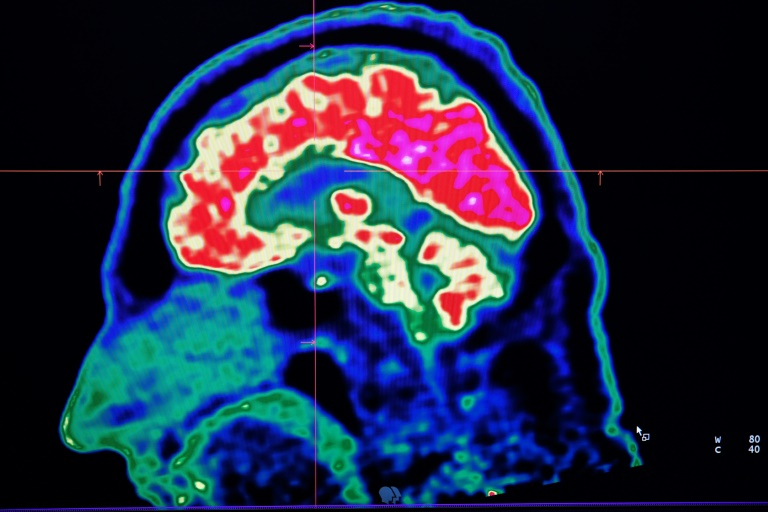
For those who don’t know, neuroeconomics is “an interdisciplinary field that merges neuroscience, economics, and psychology to explain how the human brain makes value-based decisions,” according to the somewhat brochure- like definition provided by Gemini.
Just look at the mix of sciences in this single word. Think about the rather vague parameters and credentials of neuroscience as any sort of meaningful contribution to human reality. Consider the sheer mediocrity, misery, and insanity of modern economics as they happen in the real world. Consider the bottomless depths of psychology as a purely profit-based science.
Not much of a sales pitch for neuroeconomics so far, is it? There are a few caveats.
According to Caltech, neuroscience is the future and an insight into human nature. The Caltech article cites Antonio Rangel, Caltech’s Bing Professor of Neuroscience, Behavioral Biology, and Economics and past president of the Society for Neuroeconomics, saying neuroeconomics is “linking behavior, computation, and biology at the most fundamental level.”
As an opportunity for profound and extremely sincere cynicism, this idealistic view looks like a high-protein addition to the diet, but it’s hardly the whole story. Let’s look a bit harder at these ideas.
Important: Read the Caltech article. They do have quite a bit to say about core principles of neuroscience that apparently got lost in the PR about 30 years ago.
The future needs something a lot better than the existing absolute feces festival of decades of sloppy, maniacal, excuse-based nepo economics. The current quaint habit of writing off 8.3 billion people in the name of gimmicky brief-attention-span tech in the midst of a global social stress meltdown is another acquired taste.
Maybe there’s a way out. What if all this utter data babble got real and useful and earned some traction in the form of credibility? Real science that is actually relevant to real human beings would be a nice, if totally unexpected, change.
What if Neuroeconomics can fill in the blanks in humanity’s GPS?
If you talk to anyone in marketing, psychology, and economics, you’ll get a lot of far from idealistic views of the current state of these sectors. You’ll get an even less rosy picture of the future from their perspectives. These guys are realists at heart, when they get a chance.
Neuroscience has been grappling since its inception with the scale of its task, as well as the rise of countless new technological assets. Getting a grip on warts-and-all human nature without the useless rhetoric and futile spin would be rather helpful.
The current news about neuroeconomics at any given point in time is a real patchwork, but it’s an unnerving indicator of the scope of the subject. Topics include anything from stroke recovery to investment decision-making and the tricky mix of theoretical psycho-acrobatics called the somatic market hypothesis.
Now consider:
The coming human reality has no map and not even a remote precedent.
Navigating the new realities is a Magellan-like operation at best and remember what happened to Magellan.
Current methodologies, let alone the types of metrics and data they generate in these sciences, will be obsolete and utterly useless in a few years, if not seconds.
Life may go on, but how, even if somebody figures out why? Behaviours in the forthcoming “baffled new world” cannot possibly be the same as the past.
Economics cannot maintain the paleo socioeconomic mindsets of the past for long, if at all.
Not one single facet of human existence can be taken for granted.
There are and can be no beaten paths in this environment.
The duly and dutifully unimpressed reader might think:
“Maybe some systemic form of analysis that can actually handle these issues based on solid science might help?”
It’d be a lot better than what’s available at the moment, which is Sweet Fatuous All.
The current state of play is that even major drivers of global chaos like Big Tech can’t predict what might happen to themselves next week, let alone the effects.
The effect on humanity, if it’s ever considered at all, is an inevitable unknown. It’s no coincidence that policies at all levels of business and government are looking like badly run bingo games for the dead.
Even the ability to predict is in serious question on the macro scale. These sciences know that all too well. The methods simply can’t handle the bandwidth scales of data, let alone make them coherent and comprehensible.
Where no science has gone before? This time, yes, and there’s no choice.
Scientific idealism does, in fact, come up with some very noble aspirations and goals. The problem this time is that they do have to deliver. Science is a survival mechanism, not a spectator sport.
The sheer scope of neuroeconomics in terms of divergence and digression alone deserves some respect. A more thankless and demanding lexicon of future issues and problems would be hard to find.
Can it be done?
Can humans finally get a grip on such gut-level realities?
These can’t even be rhetorical questions anymore.
Bear in mind also that a more challenging mix of sciences would be hard to find. These sciences can and will deliver peer reviews with chainsaws. Add cross-disciplinary dynamics, and the potential for barroom brawl scenarios isn’t hard to see. Even a ferocious field like biology could look comparatively sedate.
Nobody’s sitting around watching the ivy grow. Apathy isn’t in much demand lately, particularly with paying clients with just about all of their skin in the game.
OK, neuroeconomics, it’s your turn. Good luck.
Op-Ed: Neuroeconomics: A new frontier or just another new global horror story?
#OpEd #Neuroeconomics #frontier #global #horror #story