
From clinical practice to health technology: How Dr. Sanjeev Goel, M.D., is rethinking the future of longevity
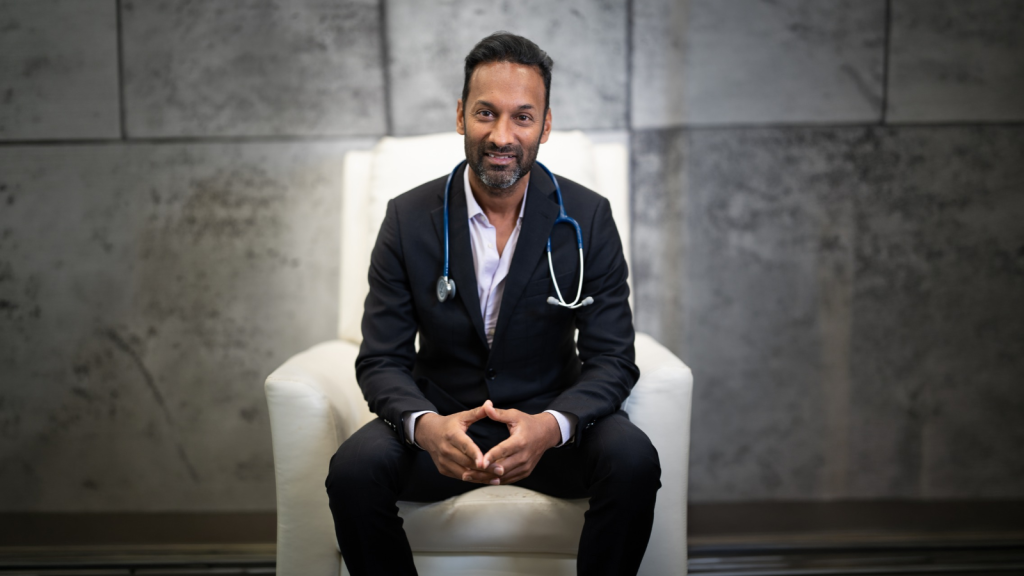
Opinions expressed by Digital Journal contributors are their own.
How can people use personal health data to make better-informed decisions about aging? This question sits at the center of a growing movement to combine clinical knowledge, health measurements, and digital technology. Dr. Sanjeev Goel, M.D., a board-certified family physician and founder of Peak Human, is exploring how these elements can work together to help people better understand their health over time. His work reflects a broader shift in healthcare: moving beyond treating established disease toward giving individuals more information to support preventive health decisions. However, the value of this approach depends on how accurately health information is interpreted and how effectively it complements professional medical care.
For decades, conventional healthcare has largely focused on identifying and treating disease after symptoms emerge. While this remains essential, preventive medicine also considers whether monitoring changes in health indicators can help people recognize potential concerns earlier and discuss them with their healthcare providers.
The need for effective approaches to maintaining health is becoming increasingly important as populations age. According to the World Health Organization, the number of people aged 60 and older worldwide is projected to reach 2.1 billion by 2050, up from 1 billion in 2020 (WHO). This demographic shift raises important questions about how healthcare systems and individuals can support health, independence, and quality of life as people grow older.
One challenge is that people often collect health information without having a clear way to understand how different measurements relate to one another. Laboratory results, sleep records, physical activity data, and wearable-device readings may each provide useful information, but interpreting them requires context. This is where the combination of clinical experience and health technology has begun to attract attention.
For Dr. Sanjeev Goel, M.D., the connection between medical practice and personal health data has become a central focus of his work in longevity and preventive health.
When a physician becomes the patient

A graduate of the University of Toronto and a board-certified family physician with more than 20 years of clinical experience, Dr. Sanjeev Goel, M.D., spent much of his early career treating conditions such as high blood pressure, elevated cholesterol, and diabetes. These interventions remain important components of modern medicine, but his experience raised questions about whether healthcare could do more to address the factors contributing to declining health. His experience also led him to consider how healthcare might place greater emphasis on understanding the factors that influence health before more serious conditions develop.
In his early 40s, he began noticing changes in his own weight, energy levels, and health biomarkers. Despite his medical training, he found himself confronting challenges similar to those experienced by many of his patients.
The experience prompted him to explore longevity medicine, biological aging, and approaches that emphasize measuring health changes over time rather than focusing exclusively on established disease.
Goel has reported that his biological age is approximately 10 years younger than his chronological age. Biological age estimates, however, vary according to the tests, biomarkers, and methods used. Such estimates should not be interpreted as definitive proof that a person is aging more slowly or has a lower risk of disease.
His experience illustrates a broader question in preventive health: can tracking relevant indicators help people better understand changes in their well-being and make more informed decisions about their habits?
Turning health data into understanding
Collecting health information is only the first step; understanding what that information means and how it relates to overall health presents a separate challenge.
Laboratory results, sleep records, wearable-device measurements, and physical activity data are often collected through different systems. Reviewing these sources together may provide a broader picture of certain health patterns, although interpreting those patterns requires appropriate context and, in many cases, professional medical guidance.
A 2026 study published in JAMA Network Open found that wearable-device use among U.S. adults increased from 30.2% in 2020 to 41.1% in 2024. However, only 19.2% of wearable users reported sharing health information from an electronic monitoring device or smartphone with a healthcare professional in 2024. These findings highlight a gap between the growing use of personal health technology and the integration of digital health information into clinical care.
Artificial intelligence is one of several technologies being explored to organize and interpret health information. When developed with input from medical professionals, these tools may help bridge the gap between collecting health measurements and understanding their potential relevance. Advances in digital technology are also creating opportunities to make certain forms of health-data analysis more accessible beyond specialist settings. However, accessibility alone does not establish accuracy or guarantee better health outcomes.
One example is PeakHuman.AI, a platform developed by Dr. Goel. It allows users to upload laboratory reports and connect information from wearable devices. Its Peak Human Score and Peak Human Life Score are designed to summarize selected health and well-being measurements.
The broader development reflects a growing intersection between medical expertise and digital technology. As these tools become more available, they may give individuals additional ways to review personal health information and prepare questions for healthcare professionals.
What this means for the future of longevity
Longevity research examines a range of factors associated with aging, including physical activity, sleep, nutrition, and metabolic health. As scientific understanding advances, these areas offer opportunities to explore how informed lifestyle choices and appropriate healthcare can support health and quality of life as people age.
Dr. Goel’s clinical experience and interest in personal health measurements reflect a broader opportunity in modern healthcare: helping individuals better understand their health information and take a more active role in conversations about their well-being.
Emerging technologies, including AI-assisted platforms and wearable devices, may support this progress by making personal health information easier to organize and review. When used alongside scientific evidence and professional medical guidance, these tools can help individuals recognize patterns, identify questions, and make more informed decisions about their health.
The future of longevity may increasingly depend on collaboration among medical professionals, researchers, technology developers, and individuals. By combining medical expertise with accessible health information and sustainable lifestyle choices, people may be better equipped to make meaningful decisions about their well-being and pursue healthier, more active lives as they age.
From clinical practice to health technology: How Dr. Sanjeev Goel, M.D., is rethinking the future of longevity
#clinical #practice #health #technology #Sanjeev #Goel #rethinking #future #longevity




