
Who decides what an AI agent can do with your money
Canada’s big banks announced in late October that they would keep third-party AI agents out of customer accounts.
Wealthsimple is taking a different approach and said on Nov. 5 that it will let clients connect ChatGPT and Claude to their accounts in early 2027, with clients deciding what each one can access.
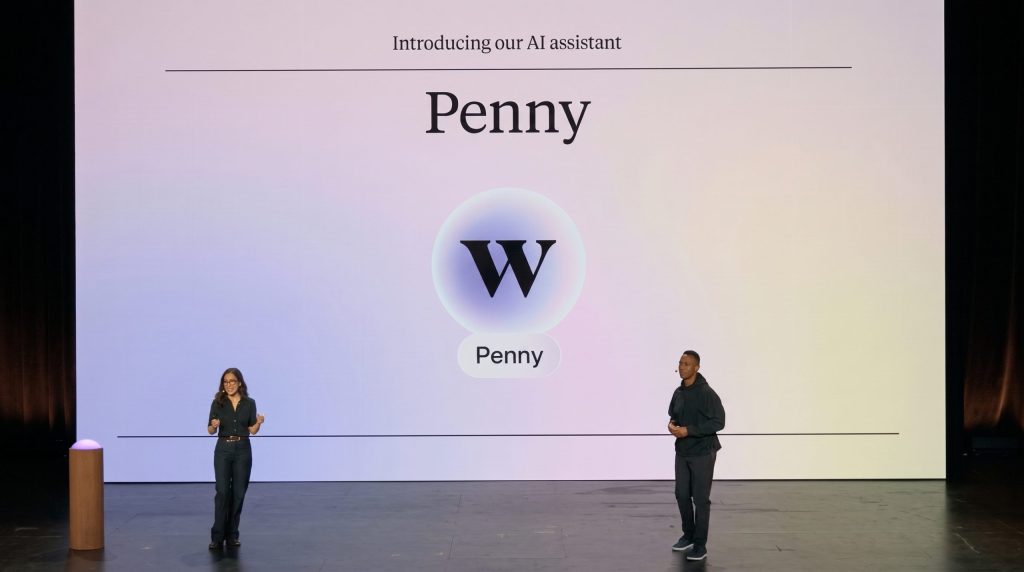
The company also introduced Penny, its own assistant, which rolls out in the Wealthsimple app over the next few months and will send e-Transfers, pay invoices, and place trades.
What happened
Wealthsimple introduced a dozen products and features at Wealthsimple Presents: Something Good Is Going to Happen, livestreamed from Massey Hall in Toronto. The company serves more than 4 million Canadians and holds about $169 billion in assets under administration as of Sept. 30, 2026.
Among them is a plan to connect outside AI assistants to client accounts, expected in early 2027 and starting with ChatGPT and Claude. Wealthsimple says other partners will follow.
“As other financial institutions reject this technology, we recognize that it’s already a big part of many Canadians’ lives,” said Sam Newman-Bremang, senior product director of Wealthsimple.
Letting an agent into an account today means handing over a username and password, which gives it everything the customer can do, Newman-Bremang said.
He described that access as “all or nothing.”
Jordan Deutsch, director of software development at Wealthsimple, joined Newman-Bremang on stage.
She said the company’s approach to third-party agents will have the client sign in and then choose what each one is allowed to do.
“That means you, not your agent,” Deutsch said. “Log in through your Wealthsimple account. You can set how much access or how little you share.”
A client could let an agent trade inside their account while blocking it from sending money out, and each connection will need client approval at setup, with an extra check on critical actions.
Penny, the assistant Wealthsimple built itself, will run inside the company’s own environment, and Wealthsimple says client information never leaves the platform.
It will send e-Transfers and wires, provide spending insights, flag duplicate credit card charges, manage expenses and pay invoices, and buy and sell stocks, ETFs and other asset classes for self-directed investors.
Told to max out an RRSP by tax season, for example, Penny will check across financial institutions securely linked to Wealthsimple, set up recurring investments and adapt if the client’s situation changes.
Wealthsimple says Penny never moves money, places a trade or completes any other action without client confirmation.
The context
Five of Canada’s largest banks said in late October that they would block or limit third-party AI agents.
“TD has made the decision to block all third-party personal AI agents from direct access to banking information, where authentication is required, while we ensure the appropriate safeguards, authorization mechanisms and oversight are in place,” a TD spokesperson said in a statement to Global News.
RBC said it blocks the same agents from its online banking, and BMO said it does not let them reach its digital services or make transactions. CIBC said it does not support agents opening or accessing accounts, and Scotiabank said it will limit them.
Those announcements followed reports that major U.S. banks were detecting unauthorized agents inside customer accounts, with some attempting actions that appeared independent of user instructions.
Why this matters now
As people get more comfortable with AI, some are connecting agents to their bank accounts, and the banks have started to notice.
Like organizations dealing with shadow AI, banks are taking different approaches. TD has announced temporary restrictions while it builds the security it says it needs, and Scotiabank said it will limit agents while it monitors. RBC, BMO, and CIBC have said they are blocking them without indicating what comes next.
Retailers, insurers, telecoms and anyone else who keeps an account for a customer will have to work out what an agent is allowed to do and who approves it.
Who decides what an AI agent can do with your money
#decides #agent #money





