Op-Ed: What’s happening with humanoid domestic robots? It’s complex and very verbose
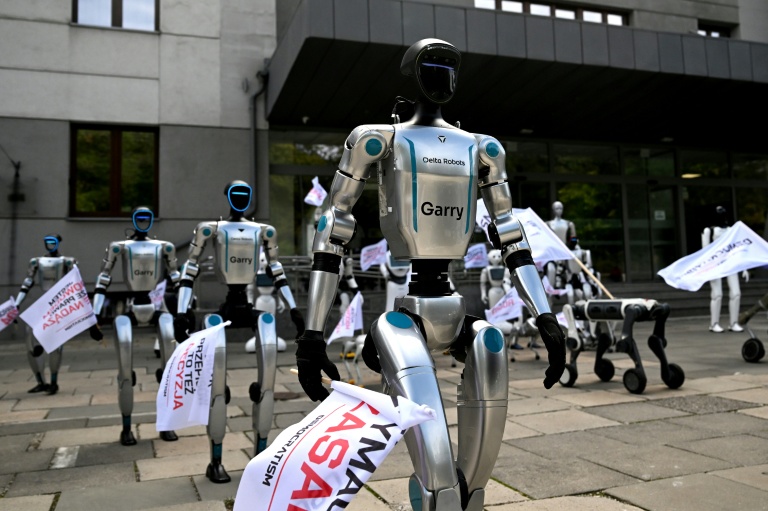
Expectations for domestic robots are exceeding reality. Despite some good news for “embodied AI model” Chinese AGIBOT GO-3 Preview, an 85% success rate isn’t 100%. That matters, because domestic robot failure rates are the only story that matters.
There are multiple bottom lines here, and they can’t be avoided:
Domestic tasks are often detailed and complex enough to require intensive machine learning. The big issue here is safety, and there are some tales of very unsafe incidents.
Domestic environments include a critical term in robotics, “ecology”. This means interacting with a living environment, with all associated risks. Think about that 15% of a domestic robot’s activities as failures in the home, and the performance bar is therefore very high.
Price vs perception vs performance is a very big deal. ROI on humanoid robots is being affected by massive price drops, particularly in China, where tech literacy is high and the market can dictate to manufacturers. Performance is the issue. Perception of performance is the make-or-break.
Market expectations are extremely demanding. The AI robotic hype has done itself no favours. Perfection isn’t yet anywhere near the reality, and the lingering science fiction image of robot servants is adding unrealistic weight to the demand.
The dangers are real. If you consider how many systems in a smart home a failing robot could wreck, that’s one thing. If you think about real physical risks from a domestic robot malfunctioning, you’re talking about damage to people and property.
Even the training is still in the experimental stage. Nobody has yet claimed a 100% success rate, and that’s because the training is having to learn how to work itself.
China vs the US will define the robotic market for now
China vs the US isn’t the whole story, but it’s what the markets are following. The net takeaway so far is that China has the depth of production, and the US has the AI edge. If you’re thinking that this is an almost verbatim replay of the standard broader portrayal of the state of play in the AI Cold War, it is.
Everyone seems OK with this simple repetitive single image. There are many other players, and the tech is evolving fast. You can safely assume that this big picture is totally untrustworthy and nothing like the reality of thousands of players in the AI and robotics fields.
In market news, this subject is very much a moving target, and China is definitely pushing hard for market entry with or without a presence in the US market. This phase is expected to start in 2027.
A polarized robotics market, particularly at the consumer level, could be a big mistake for the US. National pride and insularity don’t make for realistic international competition. The decades-old ongoing Dance of Death between the US and China in manufacturing makes the relationship more than critical to the future of AI and robotic technology in general.
The US cannot match Chinese production, deployment, distribution, and support logistics in the short term. China is said to be aiming for market dominance, and it currently is far ahead in these regards.
Global markets will be faced with an established, operational full supply chain distribution network vs a very nebulous and largely verbal US manufacturing position.
Tesla is said to be aiming at 1 million units per year, which isn’t impossible, but production on this scale would require the equivalent of the huge boost in Ukrainian level of drone production from scratch to current levels.
Realistically, competing with China just can’t be done on a small scale. Manufacturing under license in other countries may be the default response and the only one that can work.
Robots need support. And money. Lots of money. Your money.
It’s easy to forget in the dream of domestic robotics that robots, like all appliances, need support. Upgrades, updates, patches, and physical fixes. They also become obsolete.
”This year’s model” of robots will also inevitably take on iPhone-like dimensions. You can expect regular technically illiterate enthusiastic babble about robots on much the same basis. What you actually need isn’t as important as what the market dictates.
This is also a gold mine opening for all levels of global business. It’s a matter of opinion how much of a role ethics can or will play in the rollout. Financial commitments are already huge even in the verbal sense.
A consumer revolution it may well be, but a charity it can never be. There’s no functional consumer law anywhere on Earth at the moment. The corporate and investor demand for ROI will be constant and merciless. In all technologies, prices tend to bottom out, and the money has to come from somewhere. That means margins must be protected and/or created by extra services, additional terms and conditions. Sound familiar?
If the idea of buying questionable technology at an unspecifiable extra cost seems more than a bit iffy, that’s the emerging situation. If you’re thinking that the usual nomadic life of the 21st century will also include managing, perhaps micromanaging, and paying for your robot, it will.
There’s everything to play for. There’s not yet much to play with, even as reliable information. Be as skeptical as you can and trust nothing without proof.
Op-Ed: What’s happening with humanoid domestic robots? It’s complex and very verbose
#OpEd #Whats #happening #humanoid #domestic #robots #complex #verbose