Community Life Projects reaches its 110th project, one small request at a time
Opinions expressed by Digital Journal contributors are their own.
Community Life Projects has reached 110 projects by saying yes to small, specific requests, and the thank-you letters it publishes show what that looks like on the ground. A youth program asked for groceries. A Saskatoon wellness and education centre asked for help with its winter feast. A First Nation’s Christmas committee asked for door prizes. Each request became a project with its own page, its own amount and, often, a letter back from the people who received the money.
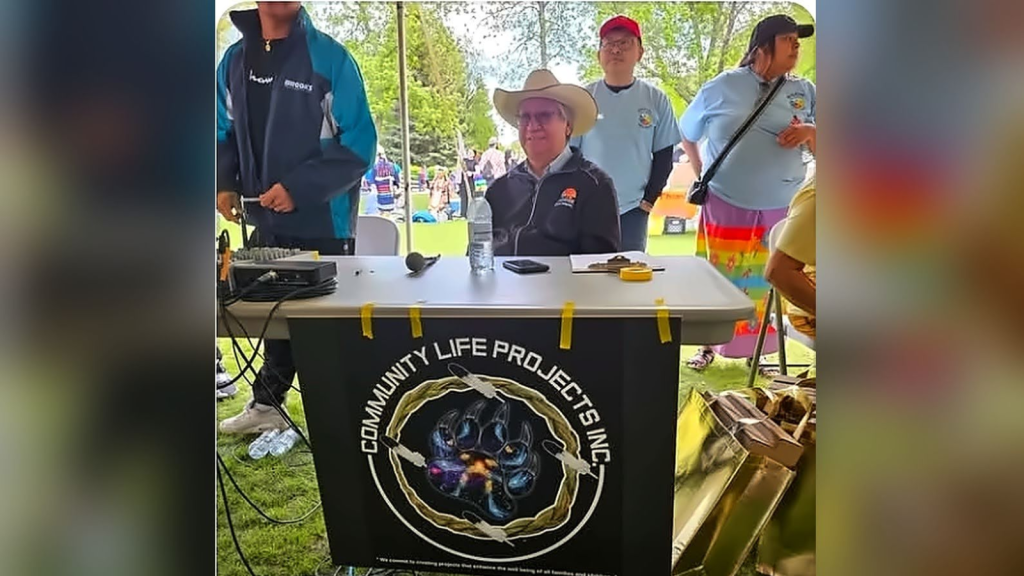
“We are on our 110th project now,” said Barbara A. M. Romanow, the Saskatoon charity’s co-founder and Global Director.
The milestone arrives nine months after the organization became a federally registered charity, and Romanow has set the next target at double the current count by the end of 2027. How it plans to get there is easier to understand by looking at how it got here.
A ledger of named gifts
The charity’s project list works as a file of correspondence. Its website sorts past projects into community and camps, education, health and relief of poverty. Community groups apply through a form on its website, stating what they need and uploading supporting documents. When a project is funded, the charity posts the amount, the date and, where the recipient has sent one, the recipient’s own words.
In November 2021, the charity provided $900 worth of groceries to students at Teen Challenge. The letter it received back is short and specific. “Your generosity has brought renewed hope in the hearts of Teen Challenge students,” the program wrote.
A year later, in December 2022, it put $1,000 toward door prizes for the annual Christmas dinner organized by the Cowessess Christmas fundraising committee, held on Dec. 18. Ava Acoose, writing for the committee, thanked the charity for helping make the dinner a success.
On its own, each gift is modest. Taken together, they account for much of what 110 projects means for this organization.
Winter, feasts and sacred stories
The same month as the Cowessess dinner, Community Life Projects put $1,750 toward the Winter Feast at St. Mary’s Wellness and Education Centre in Saskatoon. The centre’s staff and students explained in their thank-you what the feast is for. In nêhiyawak culture, they wrote, winter is when the medicine wheel shifts to a new quadrant, and it is a time for sacred stories and prayer.
That detail says something about how the charity chooses. It funds what a community group says it needs, in the terms that group uses, and the resulting projects often follow the cultural calendar of the people asking. Several of the charity’s partners serve First Nations and Métis families, and their requests arrive tied to ceremonies, seasons and gatherings.
The charity’s support for youth mental health follows the same pattern. In July 2023, the Boys and Girls Clubs of Saskatoon wrote to thank it for a donation to its outreach programming and a mental health initiative called The Rosewater Connection. The club’s letter pointed out that the gift came at a time of year when isolation can weigh heavily on people, and said the donation let its outreach team put proper supports in place.
What the charity designation changes
For most of its existence, Community Life Projects operated as a non-profit. Its registration as a charity in January 2026 means it can now issue official donation receipts, since only organizations registered with the Canada Revenue Agency under the Income Tax Act are eligible to do so, according to the federal government’s list of charities.
For a donor, that receipt is part of the calculation. For a charity trying to double its output in about 15 months, it widens the pool of people who can give. Registered charities also report their revenue and spending to the CRA each year, and that information is published, which adds a public record alongside the charity’s own project pages. The federal list is compiled from each charity’s annual return and is open to anyone who wants to check an organization before giving.
Its stated standard of accountability stays the same. Every dollar raised goes to the project the donor specified, and the organization works with partners to deliver camps, cultural events, mentorship and education in the communities it serves.
Doubling from 110
Reaching 220 projects by the end of 2027 means adding more than 100 in roughly 15 months, about as many as the charity has completed since it started. Each of those projects will need what the first 110 needed, a group with a specific request, a donor willing to fund it, and a record of what was delivered.
The small scale of many past projects helps here. A $900 grocery order or a $1,000 contribution to a dinner can be approved and delivered quickly, with no large grant cycle behind it. If the next 110 look like the last, the goal depends on keeping up a steady stream of small, well-documented gifts.
Canada first, with a wider reach
Most of the charity’s work so far has been in Saskatchewan, and Romanow wants the next stage to build from there. The organization has worked internationally before, and she sees recognition outside Canada as part of the mission.
“I am humble and grateful to be recognized in other countries, as it promotes the global initiative of our mission statement,” she said.
The mission itself is broad, a commitment to projects in communities that improve the well-being of families and children. The way Community Life Projects carries it out is narrow and practical. The 110th project is a useful moment to look at the first 109, and they point to an organization that grows by listening to specific requests and answering them one at a time.
Community Life Projects reaches its 110th project, one small request at a time
#Community #Life #Projects #reaches #110th #project #small #request #time