More than half of adults have blamed an algorithm for a regretted decision, survey finds
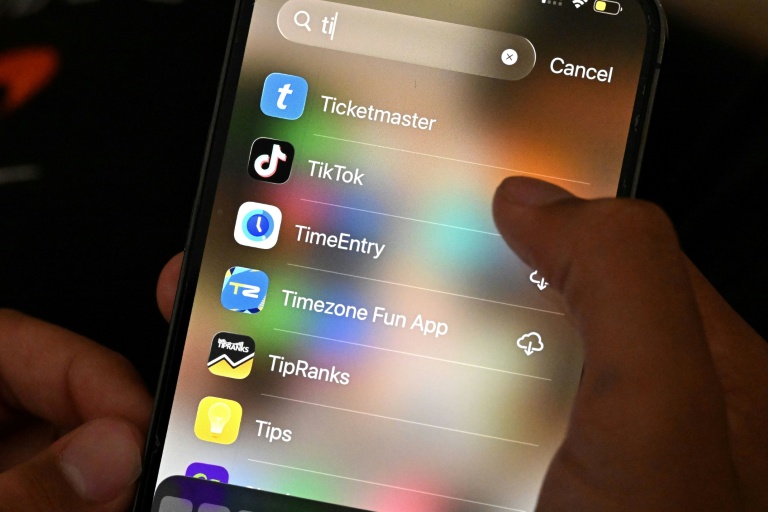
“The algorithm made me do it” has become a common explanation for purchases, streaming choices and online decisions that fail to deliver. According to a new survey commissioned by Hint App, many people are not only following algorithmic recommendations, they are also blaming those systems when outcomes prove disappointing.
The survey of 11,386 adults across the US, UK, Canada, Australia, the EU and Latin America found that 58 percent had blamed an algorithm or recommendation system for a choice they later regretted. The findings were released by Hint App in its report, “More Than Half Have Blamed an Algorithm for a Regretted Decision“.
The results come at a time when recommendation technologies are becoming increasingly embedded in everyday life. From Netflix suggestions and Spotify playlists to Amazon product recommendations and social media feeds, algorithms now influence a vast range of consumer choices. While these systems are designed to improve convenience and personalisation, the survey raises questions about whether people are becoming too willing to defer to machine-generated advice.
Following the algorithm over instinct
One of the survey’s most notable findings is the extent to which people consciously override their own judgement. Almost half of respondents, 46 percent, said they had deliberately followed an algorithmic recommendation despite initially preferring another option. This suggests that recommendation systems have acquired a level of authority that extends beyond simple convenience. Faced with an overwhelming number of options, many consumers appear willing to trust an algorithm’s assessment over their own preferences.
The trend reflects broader concerns among researchers studying digital decision-making. The Pew Research Center has previously reported that many internet users recognize both the benefits and risks of algorithmic systems, particularly their growing role in determining what information people encounter online.
Recommendation engines reduce cognitive effort by filtering content and highlighting choices considered most relevant. However, the more frequently people rely on such systems, the more difficult it can become to distinguish between a genuinely independent choice and one heavily influenced by software.
The survey also explored how people talk about their decisions after the event. Some 41 percent of respondents said they had described an algorithm as having “led them to” a decision, despite recognising on reflection that they had actively chosen to follow the recommendation. The finding highlights an interesting psychological tension. Although users ultimately make the final decision, many appear inclined to describe outcomes as if they were guided by an external force.
Behavioural scientists have long observed that individuals often shift responsibility when decisions involve external advice or authority. Digital recommendation systems may amplify this tendency because recommendations arrive cloaked in the perceived objectivity of data and automation.
In practice, the algorithm becomes a convenient explanation when expectations are not met. This does not necessarily mean people believe they had no control. Rather, responsibility appears to be shared, at least psychologically, between the user and the technology.
Younger adults most susceptible
The influence of recommendation systems appears particularly strong among younger people. According to the survey, 67 percent of adults under 30 said an algorithm had influenced a decision they later regretted. Among adults aged 55 and over, the figure fell to 39 percent. The difference likely reflects varying levels of engagement with digital platforms. Younger consumers are more likely to use algorithm-driven services for entertainment, shopping, social networking and information gathering. Greater exposure naturally creates more opportunities for algorithmic influence.
Digital natives have grown up in environments where personalised recommendations are the norm. Whether selecting music, discovering videos or shopping online, younger adults regularly interact with systems designed to anticipate and shape preferences. Older consumers, by contrast, may be less dependent on recommendation engines or more inclined to rely on established habits and personal experience.
The hidden power of recommendation systems
The findings contribute to a broader debate about the role of algorithms in society. Technology companies generally describe recommendation systems as tools that improve user experiences by delivering more relevant content. At the same time, organisations such as the Organisation for Economic Co-operation and Development (OECD) have highlighted the policy challenges associated with increasingly personalised digital services, including transparency, accountability and consumer autonomy.
On one hand, recommendation engines help users navigate vast quantities of information. Without them, many digital services would be far more difficult to use. On the other hand, critics argue that these systems can subtly influence behaviour by determining which products, opinions and forms of content receive the greatest visibility.
Importantly, algorithms rarely compel action. Instead, they shape what users see and the order in which they see it. That influence can make certain choices appear more attractive, popular or credible than alternatives. The Hint App findings suggest many consumers are aware of this influence, even if they find it difficult to define exactly where persuasion ends and personal agency begins.
The results point to a growing challenge for technology companies, policymakers and consumers alike. As recommendation systems become more deeply embedded in everyday life, questions of accountability become increasingly complex. If someone purchases an unsuitable product because an algorithm recommended it, who bears responsibility: the platform or the individual?
The survey suggests most people occupy a middle ground. While many are willing to blame algorithms when outcomes disappoint, they also recognise that they retained the ability to make a different choice. That tension may be one of the defining characteristics of the digital economy. Algorithms influence behaviour, shape preferences and guide attention, yet they stop short of removing human agency altogether.
More than half of adults have blamed an algorithm for a regretted decision, survey finds
#adults #blamed #algorithm #regretted #decision #survey #finds