Andy Burnham and his chancellor have a battle on their hands
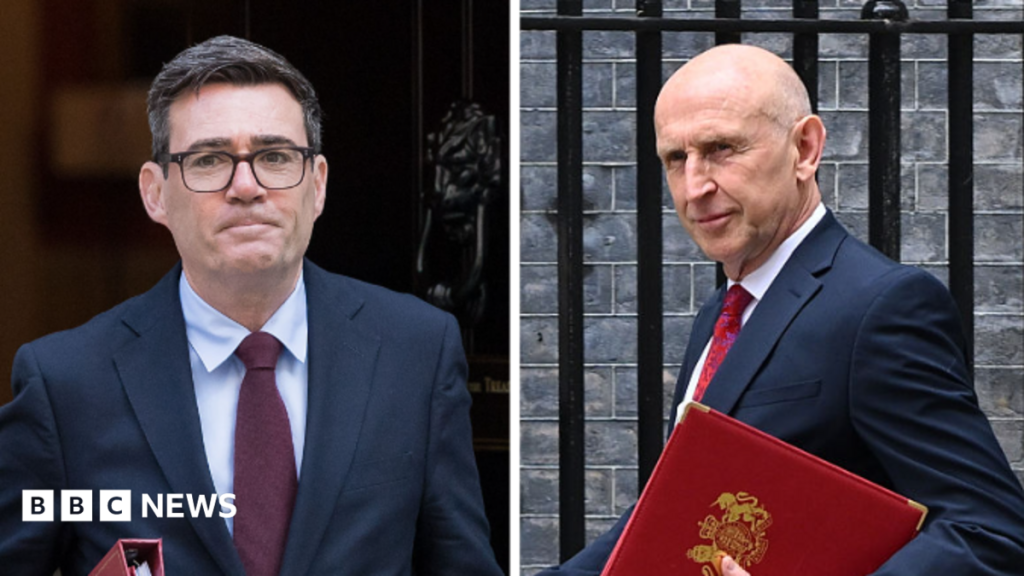
He identified “putting digital ID on hold” as an example of how he had already “taken difficult decisions in this job in relation to reprioritising government spending” and vowed to continue to “take difficult decisions to make sure the economy remains on track”.
Digital ID is a striking choice of example. Burnham announced that he was abandoning the scheme in the days before he became prime minister so that he could focus on policies affecting the everyday cost of living.
But the spending was then, within the new government’s first few days, re-allocated to cut VAT on household electricity bills.
So in that sense it was not a reduction in public spending, just a reprioritisation. And in any case, the former cabinet minister Darren Jones criticised Burnham at the time on the grounds that the government had not yet allocated the money for digital ID.
Certainly the signs from Healey’s first major speech as chancellor last week were that he wants to reassure the markets, promising to “control public spending” and praising Rachel Reeves for beginning to “recover Britain’s fiscal discipline”.
Burnham and Healey would hardly be the first PM-chancellor double act to adopt different tones and emphasise different priorities in their public appearances.
As a junior minister at the Treasury almost 25 years ago, Healey was engaged in the question of how to boost growth around the country, long before it became central to Burnham’s vision for Britain.
But there are people in government who are beginning to wonder whether their economic visions are quite as aligned as expected. “It’s what everyone is thinking and some of us are vocalising,” one government source said.
There are also those who fear the adverse political consequences of a Labour government seeking to go out of its way to demonstrate its fiscal credibility. Arguably that was behind the removal of the Winter Fuel Allowance for most pensioners as one of Sir Keir Starmer’s first acts, an early factor in his political demise.
For Labour’s political opponents, all this amounts to a question of whether the prime minister is willing to disappoint his own MPs. Yet it’s worth remembering that with winter fuel the frustration in parliament was primarily caused by the furious reaction of Labour MPs’ constituents.
Arguably this presents a more fundamental tension: are the kinds of policies needed to soothe the markets politically deliverable given Labour’s electoral coalition and its need to shore up the ‘progressive’ vote?
The Budget is only six weeks away and will be the first and most important sign of the new government’s answer to that question.
Source link