Q&A: Building the next generation of cardiorenal care: An interview with Nuwellis
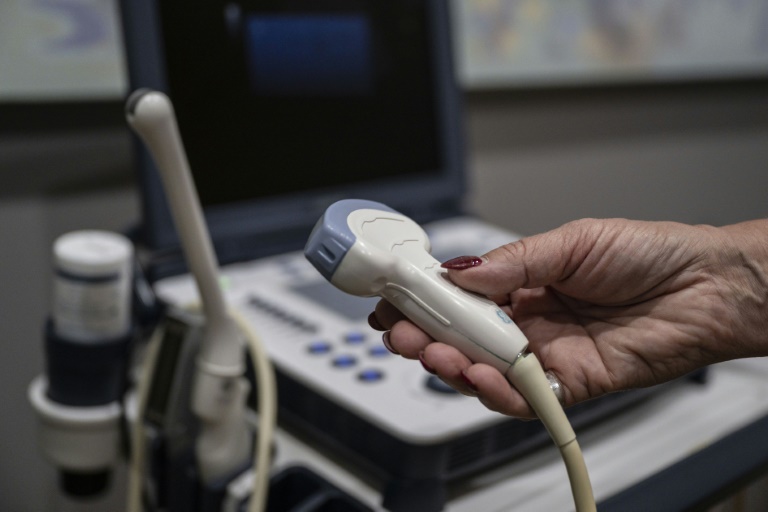
Nuwellis is an emerging medical technology company committed to delivering integrated solutions for adult and paediatric patients with cardiorenal conditions, developing technologies for care across the entire heart-kidney continuum.
In other words, the firm is at the cutting edge of healthcare technology for serious health conditions. Central to this is the company’s Aquadex SmartFlow system, which Mike McCormick, President and CEO of Nuwellis discusses with Digital Journal.
Digital Journal: Can you start by providing a brief overview of Nuwellis?
Mike McCormick: Nuwellis is a Nasdaq-listed medical technology company focused on improving the care of patients suffering from fluid overload. Our Aquadex SmartFlow® System provides clinicians with a precise method of removing excess fluid when conventional medical therapy, such as diuretics, are insufficient. Unlike dialysis systems that are designed primarily for renal replacement therapy, Aquadex was specifically designed for precision ultrafiltration. It allows clinicians to remove isotonic fluid in a controlled, predictable manner while minimizing hemodynamic instability. While Aquadex is the foundation of our business today, we are executing a strategy to build a broader cardiorenal platform through innovation in paediatric therapies, diagnostic monitoring, and technologies that help clinicians identify and manage fluid overload earlier in the disease process.
DJ: What is your Aquadex SmartFlow system and what differentiates it from other fluid overload solutions?
McCormick: Nuwellis’ Aquadex SmartFlow system delivers controlled, predictable isotonic fluid removal for patients with fluid overload, helping reduce hospital readmissions (and therefore hospital readmission penalties from CMS) and improve outcomes. It is indicated for temporary (up to 8 hours) or extended (longer than 8 hours in patients who require hospitalization) use in adult and paediatric patients weighing 20 kg or more whose fluid overload is unresponsive to medical management, including diuretics, the current standard of care.
For hospitals, Aquadex offers a streamlined solution that is cost-effective, workflow-friendly, and backed by comprehensive clinical support. Commercial adoption continues to accelerate as hospitals expand utilization beyond heart failure into critical care and paediatrics. We believe there remains significant opportunity to increase utilization within existing accounts while introducing Aquadex to additional centres.
Nuwellis recently completed a productive pre-submission meeting with the FDA regarding the proposed expansion of the Aquadex indication to paediatric patients weighing 5 kg and above. Today, Aquadex is already used in many leading children’s hospitals under physician-directed care. Expanding the FDA indication has the potential to standardize therapy across paediatric critical care and further strengthen our leadership in this important market. We are targeting submission of our 510(k) application by the end of 2026.
DJ: How has the understanding of cardiorenal syndrome changed over the past five years, and what gaps still exist in patient care?
McCormick: Over the past five years, the understanding of cardiorenal syndrome has shifted from viewing it as a kidney complication of heart failure to recognizing it as a complex disease state where worsening heart function and worsening kidney function can accelerate one another. There is also greater appreciation that fluid overload is not just a symptom, but a major driver of poor outcomes, hospitalizations and treatment complexity. As a result, clinicians are increasingly focused on more precise volume management, earlier identification of patients who are not responding adequately to diuretics, and care models that bring cardiology, nephrology, and critical care teams together.
Cardiorenal syndrome is a condition where problems in the heart cause injury to the kidneys, or issues in the kidneys harm the heart. This two-way failure happens because both organs rely on each other to control blood flow, fluid levels, and body chemistry.
The biggest gaps remain around timely intervention and consistent treatment pathways. Many patients are still managed reactively, often after fluid overload has progressed or after diuretic resistance has become more difficult to address. There is also a need for more standardized protocols, better tools to identify the right therapy for patients, and broader education around alternatives that can support controlled fluid removal. For Nuwellis, that creates an opportunity to help advance a more proactive approach to cardiorenal care, particularly for patients who need predictable, adjustable fluid management when conventional therapies are not enough. Our goal is to provide clinicians with an additional tool when conventional therapies are no longer achieving the desired clinical response.
DJ: What trends are you seeing in the treatment of cardiorenal conditions?
McCormick: One of the biggest trends we’re seeing is a shift toward earlier, more precise management of fluid overload. Clinicians increasingly recognize that persistent congestion is a major driver of poor outcomes in heart failure and acute kidney injury, and they’re looking for therapies that provide predictable fluid removal when diuretics alone are no longer sufficient.
We’re also seeing greater collaboration among cardiology, nephrology, critical care, and paediatrics specialists as they manage these complex patients. Rather than treating heart and kidney disease independently, providers are taking a more integrated approach to managing the cardiorenal syndrome.
At Nuwellis, we believe this evolution creates an opportunity to build a broader cardiorenal care platform. Aquadex provides precision fluid management today, while our development programs are focused on expanding our capabilities in paediatric care and diagnostic monitoring to help clinicians make earlier and better-informed treatment decisions.
DJ: What milestones are on the horizon for Nuwellis?
McCormick: We have several important milestones ahead, beginning with our anticipated paediatrics label expansion for the Aquadex SmartFlow® System. Following our recent FDA pre-submission meeting, we are incorporating the Agency’s feedback and are targeting submission of our 510(k) application by the end of 2026. Expanding the indication from 20 kg to 5 kg has the potential to address a significant unmet need in paediatrics critical care and further strengthen our leadership in that market.
Commercially, our objective is to continue building on the momentum we’ve established by expanding utilization within existing hospitals, selectively adding new accounts, and strengthening our commercial organization. We believe significant growth remains within our current customer base as awareness of precision ultrafiltration continues to increase. Looking further ahead, we continue to invest in technologies that expand our capabilities across the cardiorenal continuum. Our vision is to build a platform that helps clinicians identify fluid overload earlier, monitor patients more effectively, and provide precision fluid management across adult and paediatric populations. We believe this strategy positions Nuwellis for sustainable long-term growth beyond our current commercial foundation.
Q&A: Building the next generation of cardiorenal care: An interview with Nuwellis
#Building #generation #cardiorenal #care #interview #Nuwellis