Harnessing the wind: Canada’s expanding renewable frontier
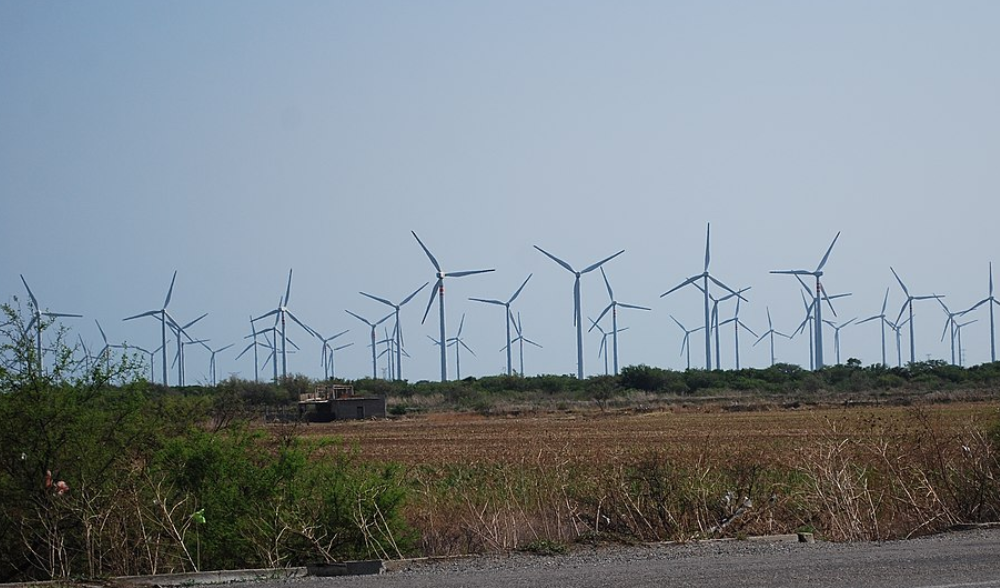
Wind power is increasingly shaping Canada’s energy future. From the sweeping plains of Alberta to the rugged coastlines of Atlantic Canada, the country possesses vast wind resources and a growing commitment to renewable energy. Yet, the story of wind power in Canada is not simply one of expansion—it is also about technological innovation, grid integration challenges, evolving policy frameworks, and public perception.
Wind energy technology has advanced significantly over the past decade. Modern turbines used across Canada are large, sophisticated machines designed to maximize energy capture across a wide range of wind conditions. A typical utility-scale turbine consists of blades connected to a rotor that drives a generator, converting kinetic energy into electricity.
Canada benefits from particularly strong wind regimes, especially along coastal regions and the southern Prairies, which makes the country well suited to wind generation. However, unlike baseload energy sources, wind is inherently variable and turbines generate electricity only when wind speeds fall within a specific operational range.
Efficiency is therefore linked not only to turbine design but also to capacity factor—the percentage of time a turbine produces near its maximum output. While exact values vary by location, improved turbine design, taller towers, and larger rotor diameters have all increased efficiency in recent years. In parallel, advances in forecasting tools and meteorological modelling are helping grid operators better predict fluctuating wind output, improving system reliability.
Despite these gains, variability remains a technical challenge. Wind energy requires complementary solutions, such as energy storage, flexible grid management, or backup generation to ensure stable electricity supply.
Wind energy remains a modest but growing contributor to Canada’s electricity mix. In 2022, wind produced around 36 terawatt-hours (TWh) of electricity, representing approximately 5.7% of total generation. This is a notable increase from just 1.5% in 2010, reflecting rapid growth in installed capacity over the past decade.
Installed capacity has expanded from less than 2 GW in 2007 to over 15 GW by 2022, and industry data suggests the sector now exceeds 17–19 GW in the mid-2020s. Wind’s contribution varies significantly by region. For instance Prince Edward Island generates nearly all its electricity from wind, while Ontario and Alberta host the largest wind fleets.
Wind turbines turn energy from the wind into electricity. Kinetic energy from the moving air is transferred to the spinning blades. The blades turn a shaft which is connected to a gearbox. The slow spin of this shaft is used to spin a much faster second shaft, which is a generator. Inside the generator are magnets which spin round very fast past coils of copper wire. The spinning magnets make electricity start to flow through the copper wire. Through this the kinetic energy is changed to electrical energy which travels through cables for storage.
Looking ahead, wind is expected to dominate new renewable electricity development. According to the Canada Energy Regulator, wind could account for roughly 70% of planned renewable capacity additions by 2030.
Canada’s wind sector is supported by a mix of domestic and international players. Key participants include:
- TransAlta Corporation – One of Canada’s largest renewable power producers, with significant wind assets in Alberta
- Brookfield Renewable Partners – A global renewable energy giant headquartered in Canada, with wind projects across North America
- Northland Power – A major developer focused on both onshore and offshore wind projects globally
- Innergex Renewable Energy – A leading independent renewable power producer with a diverse wind portfolio
In addition, provincial utilities and independent power producers play important roles. Many projects are increasingly developed in partnership with Indigenous communities—a trend that is expanding rapidly across Canada and reshaping ownership models in the energy sector.

The Canadian government broadly supports wind power as part of its decarbonization strategy. At the federal level, policies are designed to reduce greenhouse gas emissions, expand non-emitting electricity generation, and encourage investment in clean energy technologies. Canada already generates nearly two-thirds of its electricity from renewable sources, primarily hydroelectricity. Wind is expected to play a growing role in further decarbonizing the grid.
However, the regulatory landscape is complex. Electricity generation falls largely under provincial jurisdiction, meaning policies vary significantly across the country. For example Alberta has embraced competitive renewable procurement and rapid wind expansion and Ontario has shifted policy focus in recent years toward nuclear and gas alongside renewables. To add to the mix, Quebec is investing heavily in expanding wind capacity.
Federal initiatives, including funding programs and tax incentives, aim to accelerate deployment. Yet challenges remain around permitting, transmission infrastructure, and integration into existing grids.
Public support for renewable energy in Canada is generally strong. Wind energy is widely viewed as a clean, low-carbon alternative to fossil fuels, contributing to national climate goals and energy independence. However, as with many infrastructure projects, public opinion can vary at the local level. Common concerns include the visual impact of turbines on landscapes, noise and perceived health impacts, and the effects on wildlife, particularly birds and bats.
Despite these issues, the trend toward community participation and Indigenous partnerships has improved acceptance. Projects that incorporate local ownership or economic benefits tend to encounter less resistance. Natural Resources Canada has also emphasised the importance of addressing social acceptability as part of ongoing research into wind energy deployment.
While wind energy is poised for continued growth, several challenges must be addressed. These challenges include the wind’s variability places demands on grid flexibility. Investments in storage technologies and smarter grid systems will be critical. A second reason is the nature of the landscape, meaning that many of Canada’s best wind resources are located in remote areas, far from population centres, requiring new transmission lines.
Canada has significant offshore wind resources, but no offshore wind farms have yet been developed. This represents a major untapped opportunity. Even without the harnessing of costal winds, wind power is becoming an essential component of Canada’s evolving energy mix. Technological improvements have enhanced efficiency, while rapid capacity growth is increasing wind’s contribution to the grid. Supportive government policies and strong industry participation are driving further expansion, although regional differences and infrastructure constraints remain influential.
Harnessing the wind: Canada’s expanding renewable frontier
#Harnessing #wind #Canadas #expanding #renewable #frontier