Nick Kiridzic built StaffHero after solving his own hiring problem
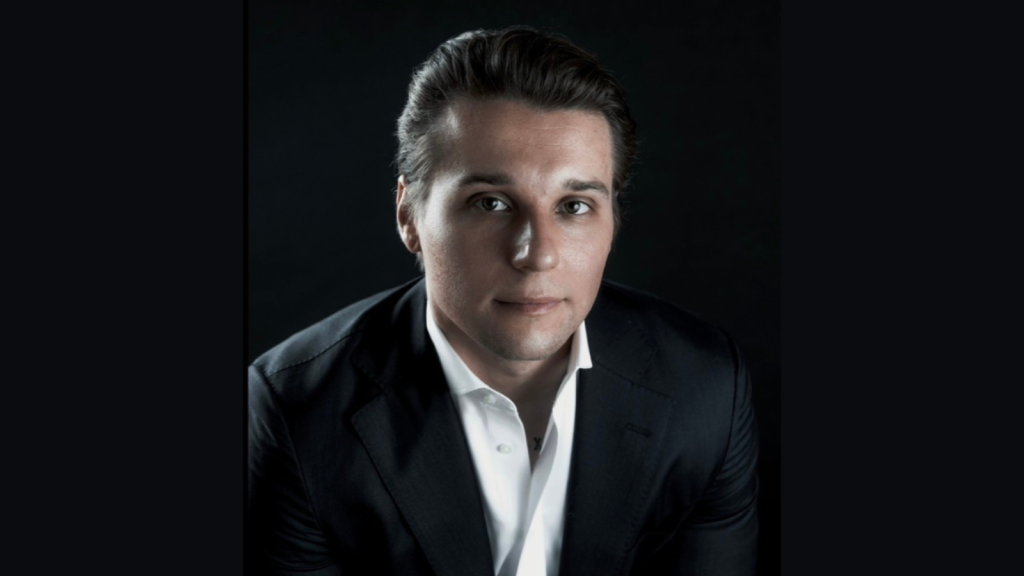
Opinions expressed by Digital Journal contributors are their own.
The healthcare executive and entrepreneur turned a personal virtual-assistant hire into a remote-workforce company built around recruitment, systems, and the discipline most growing businesses avoid.
The first version of StaffHero did not begin with a pitch deck, a polished brand, or some grand plan to disrupt staffing. Nick Kiridzic needed help, hired a virtual assistant, and watched the arrangement work better than expected. Then people around him noticed.
“They started asking, ‘How did you find that person?’” Kiridzic said. “At first, I was just helping people because I had already gone through the process. Then it kept happening. Eventually I realized I was running a business before I had fully admitted that I started one.”
That accidental beginning still shapes the way Kiridzic talks about StaffHero. The company places trained offshore employees inside businesses and builds the operational systems around them. It is a leaner way to staff, but Kiridzic is quick to clarify that lower cost alone is not the whole point. The bigger value is putting the right person in the right seat, then making sure the business has enough structure for that person to succeed.
“A lot of business owners think they have a staffing problem,” he said. “Sometimes they do. A lot of the time, they also have a systems problem, and the staffing issue is just where they feel it first.”
That view did not come from theory. Kiridzic has worked across industries, spent much of his professional life in sales, and learned through pressure rather than systematic planning. His background gave him a view of business that is less romantic than most entrepreneurial advice. He has seen companies struggle because they hired poorly, communicated loosely, tracked too little, or kept trying to solve messy operations with more payroll.
“I have been in the weeds of broken businesses,” he said. “Once you have seen enough of that, you stop believing the problem is always more money or more people. Sometimes the answer is better people, better process, and less waste.”
The bluntness is part of his appeal. Kiridzic does not position entrepreneurship as a personality type or a motivational identity. He talks about it as a series of decisions that become real only when someone finally starts moving. For years, he says, he stood in what he calls “the veil,” the space between wanting to be an entrepreneur and actually becoming one.
A lot of people stay there. They study. They ask. They compare themselves to people further along. They keep looking for the right moment, the safer bet, the perfect plan.
Kiridzic knows the feeling because he lived in it.
“I spent a long time watching and analyzing,” he said. “You can convince yourself you are preparing, but at some point preparation becomes a hiding place. The only way through is to start taking the next problem seriously.”
For him, one of those next problems arrived through family. Kiridzic stepped into his father’s auto repair business, which had been operating for more than 30 years, during an audit. The timing could hardly have been less comfortable. He was thrown into problems he had not seen before and had to learn fast.
“That was the crisis” he said. “I got exposed to almost every kind of business issue at once. Things I had never even heard of were suddenly my problem.”
That period sharpened his operating instincts. It taught him that business ownership is not only sales, vision, or strategy. It is paperwork, quality control, compliance, cash pressure, unhappy customers, team gaps, and small failures that become expensive when no one catches them early.
It also taught him that a business owner cannot afford to stay in one lane forever.
“If you want to run a real company with real employees, you have to know a little bit about everything,” Kiridzic said. “You do not have to be the expert in every department, but you need enough understanding to know when something is off.”
That belief is embedded in StaffHero’s model. Kiridzic sees recruitment as the center of the business, especially in offshoring. The common assumption is that overseas staffing is a trade-off: lower cost in exchange for lower quality. He rejects that as too simplistic.
There are bad vendors. There are weak hires. There are companies that cut corners and then blame geography when the result disappoints them. But Kiridzic believes the real opportunity is finding talent through a serious process, training that talent properly, and building systems that make success repeatable.
“In staffing, the recruitment process is the business,” he said. “If you do not know how to find the right person, everything else starts breaking before the employee even begins.”
That is why StaffHero is not just a placement company in his mind. It is an operational tool for businesses that need to stay lean without lowering their standards. For early-stage companies especially, payroll can become the expense that forces bad decisions. Hiring offshore talent, when done carefully, gives owners more room to build without carrying bloated costs too early.
Kiridzic sees this as one of the overlooked “cheat codes” in business. He says everyone is talking about AI, and he agrees that AI matters. Still, he believes too many entrepreneurs ignore the other levers sitting right in front of them: better hiring, cleaner systems, smarter delegation, faster execution, and a clearer definition of success.
“AI is real leverage,” he said. “But it is not the only leverage. If you can find great people, train them, build systems around them, and actually deploy what you learn, you are already ahead of most operators.”
That word, deploy, comes up often with him. One of his core lessons is simple: what someone does not deploy, they forfeit. Ideas that stay private do not compound. Plans that remain unfinished do not create momentum. Over-polishing can look responsible, but he believes it often kills progress.
“Gold-plating kills momentum,” Kiridzic said. “People keep improving the thing in their head because they are afraid to put it in the world. But the market cannot respond to something you never deploy.”
His future plans extend beyond StaffHero. Kiridzic sees the company as a stepping stone into acquisitions and a larger portfolio of companies across different industries. The logic is straightforward: payroll is one of the biggest expenses in most businesses, and many companies are carrying broken systems, inflated costs, and weak operations. Someone who understands staffing, automation, systems, and sales can move quickly inside those businesses.
That ambition still connects back to the virtual assistant he hired for himself. StaffHero began because one solution worked. It grew because other people needed the same kind of help. Now Kiridzic sees it as proof of a larger point about entrepreneurship: the work rarely begins in perfect conditions.
“You do not always know you are at the start when you are at the start,” he said. “Sometimes you solve the problem in front of you, and if it keeps solving problems for other people, you follow it.”
That is the operator’s version of a founding story. No staged revelation. No neat blueprint. Just a problem, a useful fix, and a business that kept getting more real each time someone else asked for help.
Nick Kiridzic built StaffHero after solving his own hiring problem
#Nick #Kiridzic #built #StaffHero #solving #hiring #problem