Prices for 6 grocery store staples are increasing right now
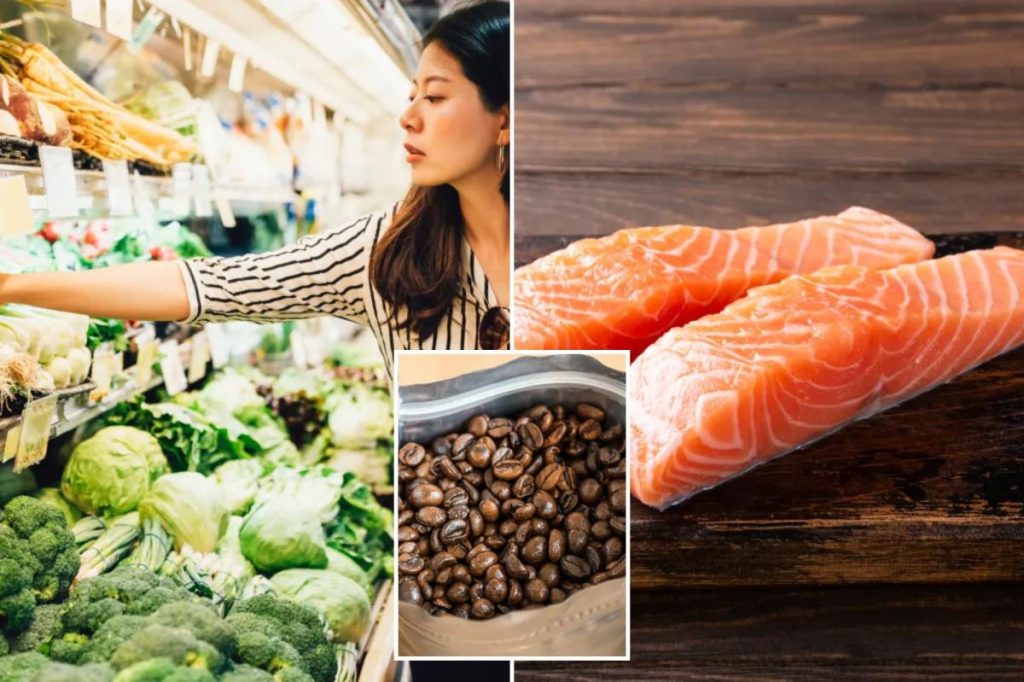
The cost of food has been increasingly volatile due to inflation, as evidenced by some cartons of organic pasture-raised eggs costing an offensive $13.
And while the sunny side is that egg prices are expected to decline, the USDA is predicting several other grocery items will continue to get pricier this year.
According to the report, shoppers can expect to pay about 2.9% more on average for groceries and restaurant meals. Eating out will get even pricier, with restaurant prices forecasted to go up 3.6% — a bit faster than what we’ve seen over the last two decades.
On the other hand, grocery store prices are expected to rise by 2.4%, which is slightly slower than their typical rate of increase over the past 20 years.
President Donald Trump’s tariffs have pushed up prices for key imports — including coffee, tea, and cocoa; fish and seafood; fruits; and meat. According to a poll from the Center for American Progress, 76% of Americans say groceries are a major cost.
Beef
The US cattle herd has been decreasing in size since 2019, but that hasn’t changed people’s appetites.
In fact, the demand for beef and veal is driving price increases — 6% this year alone. Experts warn that beef prices could remain a “luxury” until 2028, but it’s not just premium cuts that are impacted. At stores across the country, shoppers are noticing not only elevated prices but also shrinking portions.
“Ground beef for example has jumped from $5/lb to $6, to $7, and sometimes even higher. I only buy it when I can get it on sale for $5/lb or less,” said one Reddit user.
Fish and seafood
Things aren’t going swimmingly for seafood lovers: fish is among the foods affected by the price increase.
While some types of fish can generally fare more expensive than their land counterparts, like Dover sole, the overall increase is a combination of inflation and the supply chain.
“Seafood pricing is being shaped by a mix of global supply realities and persistent operating costs,” Mark Frisch, an executive vice president and co-owner of Florida-based Beaver Street Fisheries, told Fox News Digital.
Fresh vegetables
Labor shortages, fertilizer and energy costs, and weather disruptions have created a perfect storm of price hikes for retail fresh vegetables. The USDA says that prices increased by 0.9% from February 2026 to March 2026 and were 7.5% higher in March 2026 than in March 2025.
“Usually in the spring, prices for fresh produce go down. But I’m seeing very high prices even at the cheapest grocery stores,” noticed one Reddit user. “Like $3/lb broccoli, green beans, etc.”
Sugary foods
Prices for sugar and sweets decreased by 1% from February 2026 to March 2026, but were 8.1% higher in March 2026 than in March 2025, says the USDA.
Prices have increased primarily for candy and chewing gum — which is, perhaps, great news for parents looking for reasons to avoid buying after-school sweets for their children.
Nonalcoholic beverages
No, your bougie barista coffee isn’t expensive because of the flavored syrup and cute branding.
It’s the fact that coffee prices have jumped 18.5% from last year, and the skyrocketing costs are sending ripples throughout the entire nonalcoholic beverage market, according to the USDA report. It’s predicted that nonalcoholic beverages will have increased by 5.2 percent in 2026.
“Coffee price increases are insane. Easily doubled in the last few years. $100 (bulk beans) used to last the two coffee drinkers in my house 3+ months. Now it basically covers six weeks,” said one disgruntled but caffeinated shopper.
Some say it’s still affordable, just limited between brand and off-brand.
“Pop is affordable off-brand but offensive branded. Idgaf tho I like Kroger brand root beer zero,” added another Reddit user.
Cereal
Even though the price is increasing at a slower rate according to the USDA, the overall cost of cereal has skyrocketed in recent years due to manufacturing costs, raw ingredients like oats or wheat, transportation costs, and, overall, a more competitive market.
As more people shift away from artificial dyes or adopt gluten-free diets, manufacturers are passing on the higher prices to consumers, according to Food Republic.
Source link