An Asteroid’s Old Orbit Opens a Quicker Route to Mars
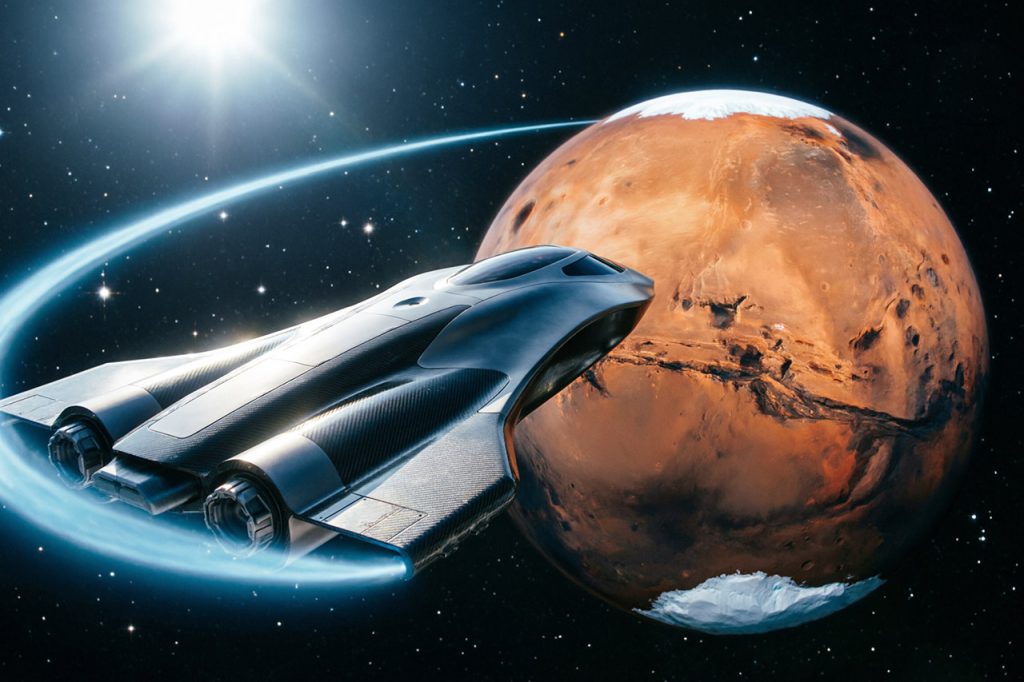
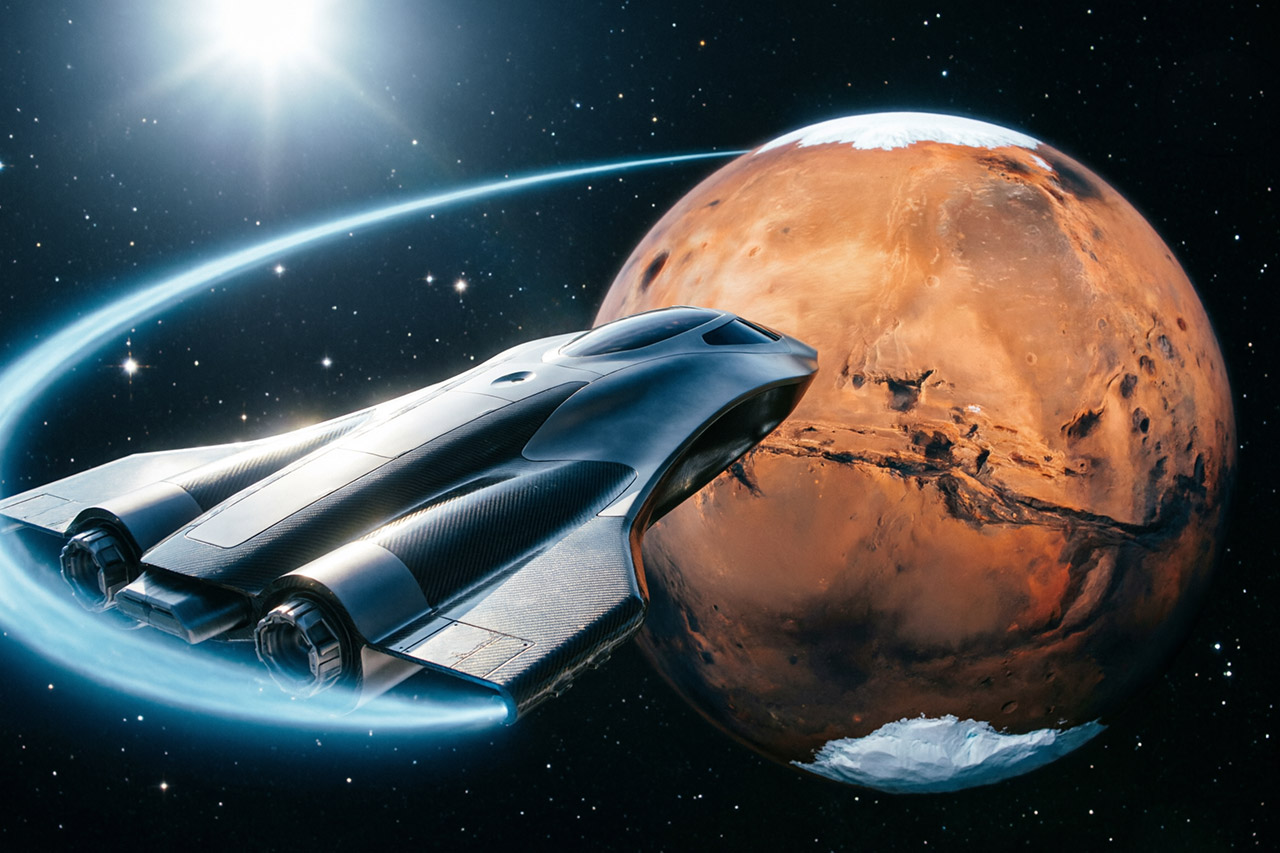
Back in 2015, Marcelo de Oliveira Souza was at his desk in Brazil, staring at a computer screen with some rather long numbers regarding near-Earth asteroids flashing by. He was making preliminary predictions of the courses these space objects would take, to help people determine whether they would pose a threat to our world. One in particular drew his attention, 2001 CA21, because the first calculations showed an orbit that virtually sliced straight through between Earth and Mars in a way nobody had picked up on before.
Souza had little interest in discovering faster ways to get to Mars, but the data in front of him continued to portray a picture of something insane. The asteroid’s original course, not the most recent, but the one he was working with, was only five degrees off from Earth’s orbit around the sun. That slight variation was enough to provide the ideal geometry for a spacecraft’s whole course, resulting in significantly less coasting across empty space.
Sale

LEGO Technic NASA Mars Rover Perseverance Building Toys – STEM Model Kit for Boys & Girls, Ages 10+ Years…
- Feed a passion for science and technology – Kids can learn more about the challenges of space exploration with this LEGO Technic NASA Mars Rover…
- Conduct a test flight – This advanced building kit for kids ages 10 and up includes a buildable toy version of NASA’s Ingenuity helicopter, which…
- AR brings the mission to life – The accompanying augmented reality app experience lets kids dive into the details of the rover and its mission
He experimented with the idea for years, using a technique known as Lambert analysis to fine-tune his calculations. That is a method for drawing the shortest and most efficient arc between two locations in space. He added one more rule: each leg of the journey had to stay within around five degrees of the asteroid’s initial route. That limited the alternatives, but it allowed for a lot of speedier transfers whenever Earth and Mars were lined up on the same side of the sun, which is a very unusual occurrence.
In 2031, the opposition’s numbers began to build up. You might leave Earth on April 20th and arrive on Mars by May 23rd, which is only 33 days later. With another month on Mars, you can lift off and return to Earth by September 20. The entire round trip would take approximately 153 days, or roughly five months. A second, slightly slower path intended for the same time resulted in a total of 226 days, which is still less than a year.
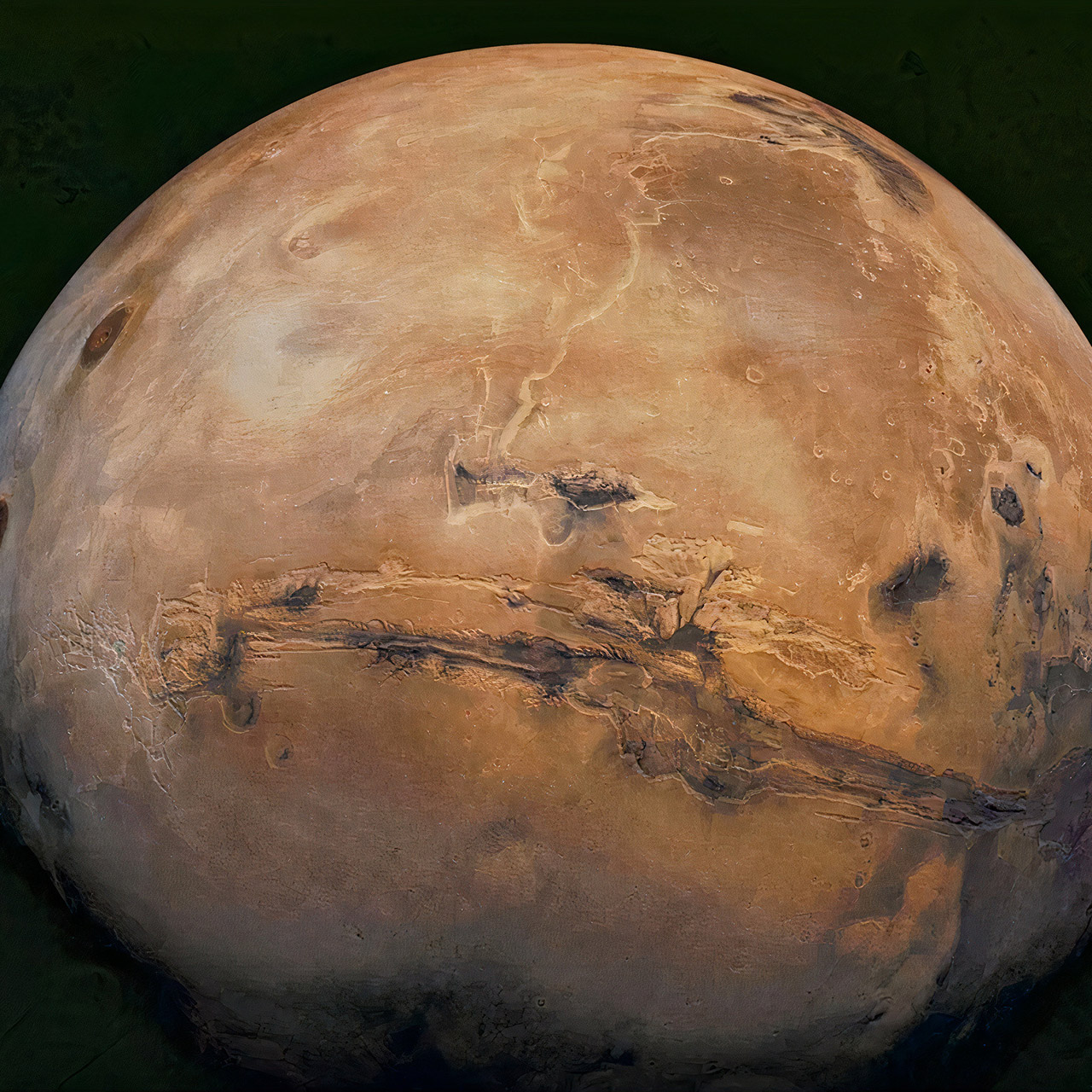
Compare those figures to the typical routes now flown, which take seven to ten months to reach, and with the wait for the planets to align again, a full journey can take two years or longer. Souza’s proposal simply shortens the voyage significantly by pursuing an asteroid-inspired path rather than the vast route around the solar system. The method works without having to fly by the asteroid or use its gravity. It simply alters the geometry that the asteroid was expected to follow prior to receiving more accurate data to correct the course. Even when later data corrected its orbit, the concealed alignment was already visible on the original course.
To attain the speeds required for the fastest trip to Mars in 2031, you’d need to travel at roughly 27 kilometers per second on departure, which is comparable to some of probes that have already been to the outer solar system, such as New Horizons. Next-generation rockets now in development could supply the push needed for crewed flights, though the rapid pace demands sturdy heat shields and precise navigation.
[Source]
An Asteroid’s Old Orbit Opens a Quicker Route to Mars
#Asteroids #Orbit #Opens #Quicker #Route #Mars