Engineer Builds Jet Engine With a Floating Fan in His Workshop
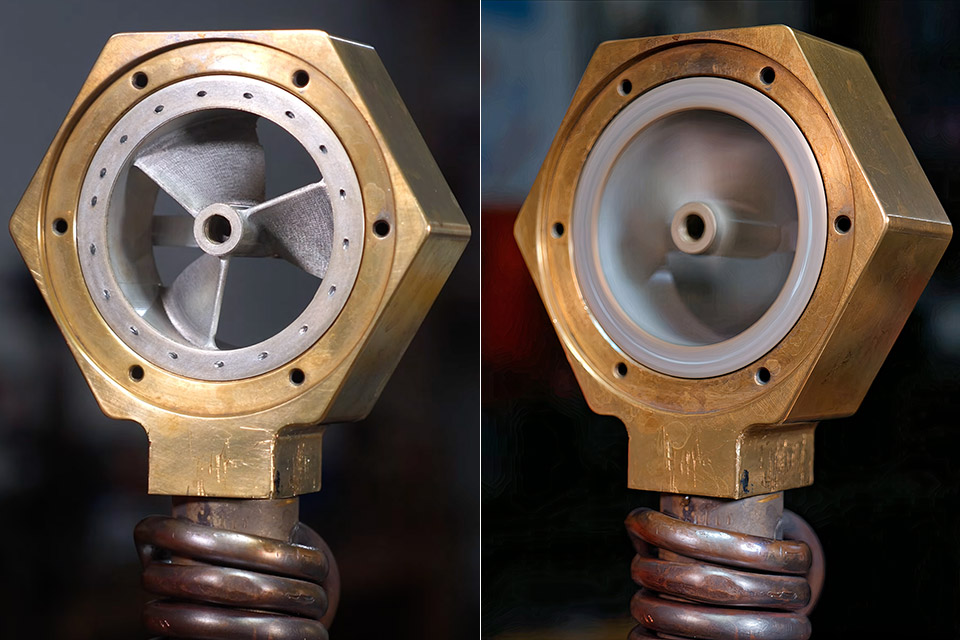
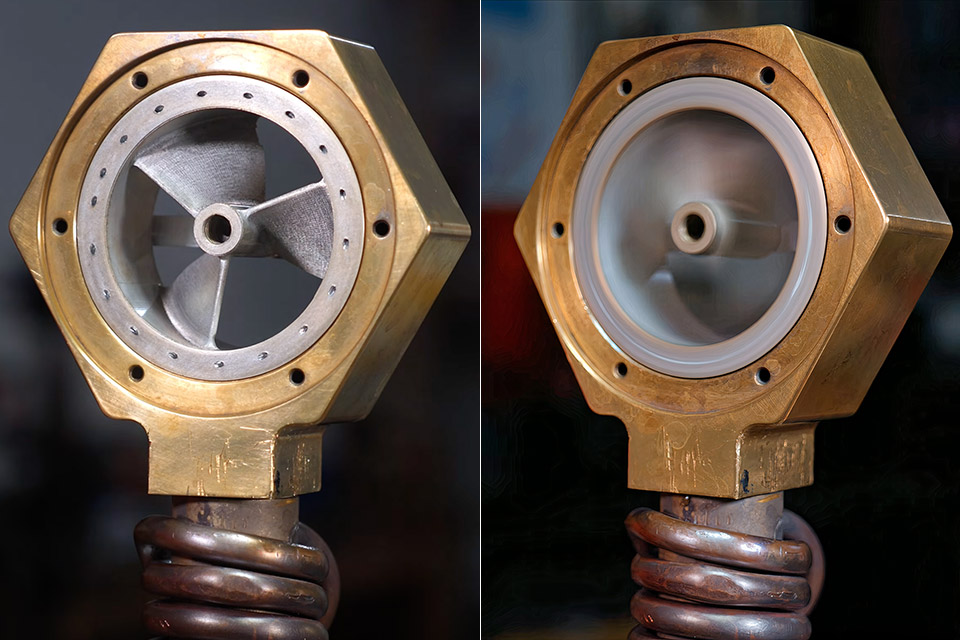
Curiosity got the best of one mechanical engineer, who simply had to try out this crazy idea for a jet engine, which was unlike anything you’d ever see in a normal model. The concept employs a fan that fits tightly inside a close-fitting housing and is essentially propped up by gas pressure created by its own operation. A bunch of small nozzles on the fan’s rim pump out gas, causing it to spin like crazy. Now, combustion occurs in a separate chamber that feeds hot gases into the system, which lifts and spins the fan.
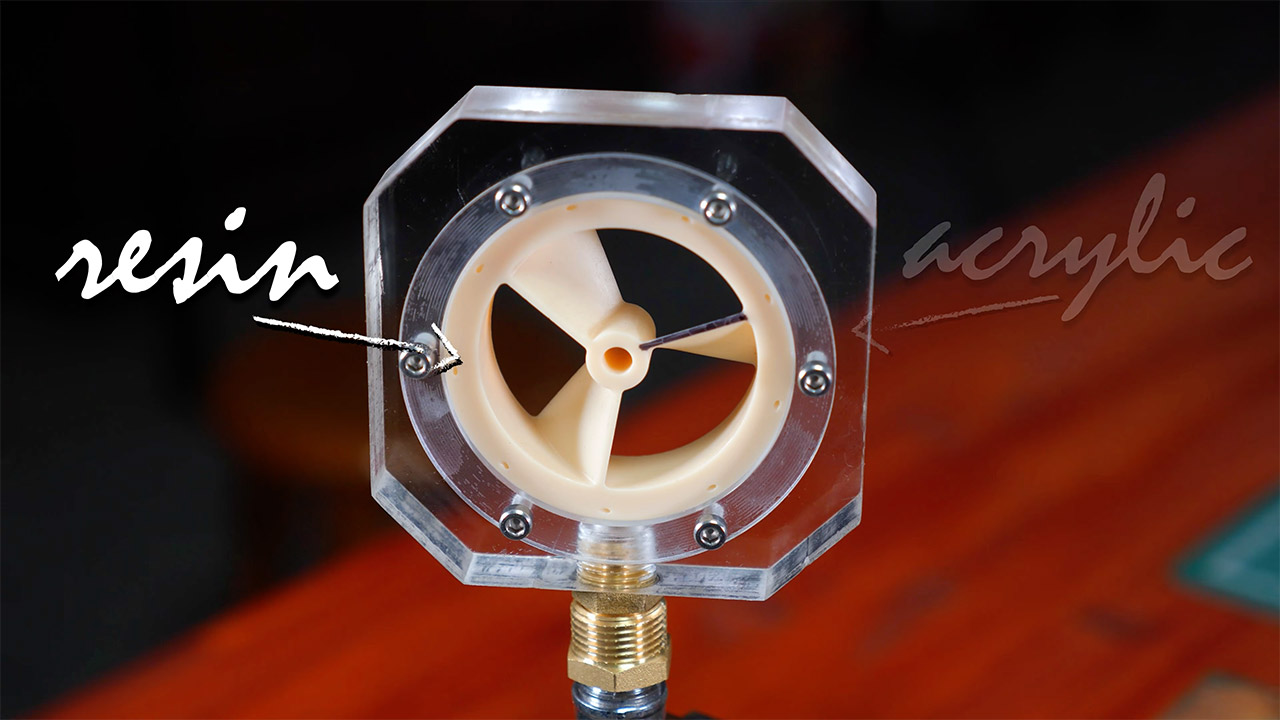
When makers begin to experiment with concepts like these, the first thing they typically build is a simple prototype to determine whether the core idea is even worth exploring. So, for this project, the first prototype employed compressed air rather than actual fire. A resin fan was 3D printed, with the outside casing made of machined acrylic pieces. Careful polishing went a long way toward achieving the ideal gap between the fan and housing, allowing air to build up pressure without seeping out excessively. When they connected it to an air source, the fan just lifted off its supports and began whirling elegantly, as the nozzles guided the flow around the edge.
National Geographic 4-Cylinder Engine Building Kit – 175+ Piece Working Model with Moving Parts, Clear…
- BUILD YOUR OWN ENGINE – Assemble a clear 4-cylinder engine model kit with 175+ durable pieces. A fun DIY engineering toy engine that shows how…
- WORKING MODEL ENGINE – Install 3 AA batteries (not included), press start, and see this visible engine model kit come to life as pistons, valves…
- COMPLETE STEM ACTIVITY KIT – This kids engine build kit includes everything needed: 175+ parts, tools, illustrated instructions, and a Learning…
Getting the air-powered model up and running paved the way for a full-fledged combustion version. For the heat part, they replaced the plastic components with suitable metal ones that could withstand the temperatures. An aluminum fan and brass housing were machined to the precise specifications required, which were five hundredths of a millimeter. The combustion chamber started as a small brass fitting that combined propane and compressed air before being fired with a spark. Water was introduced to the mixture later via a coiled tube to keep the temperature under control and to generate more steam pressure.
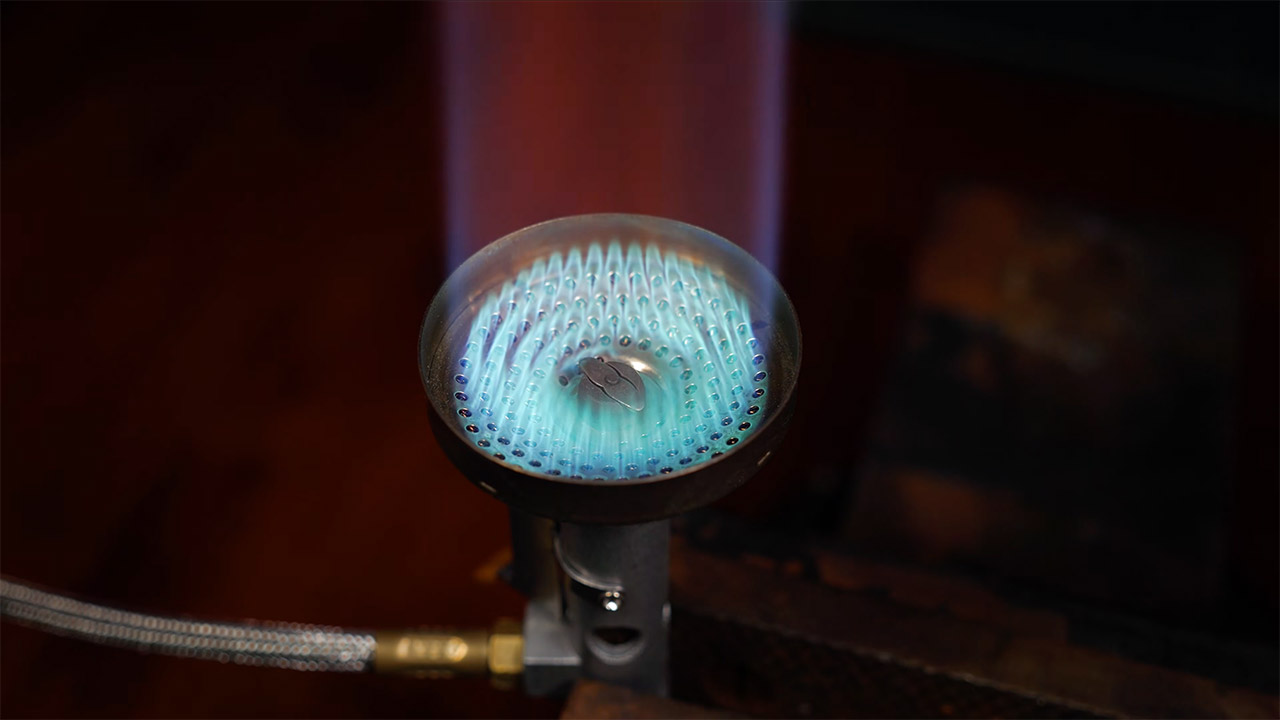
Trouble began as soon as heat was introduced, as the aluminum fan expanded larger than the brass housing, causing the two parts to become trapped together. They tried flattening off the edges to make the fit better, but nothing seemed to work. To make matters worse, one test run burned a hole directly through the fan material. Fortunately, a second fan was treated with some anodizing magic, which produced a protective shell that could withstand far higher temperatures.
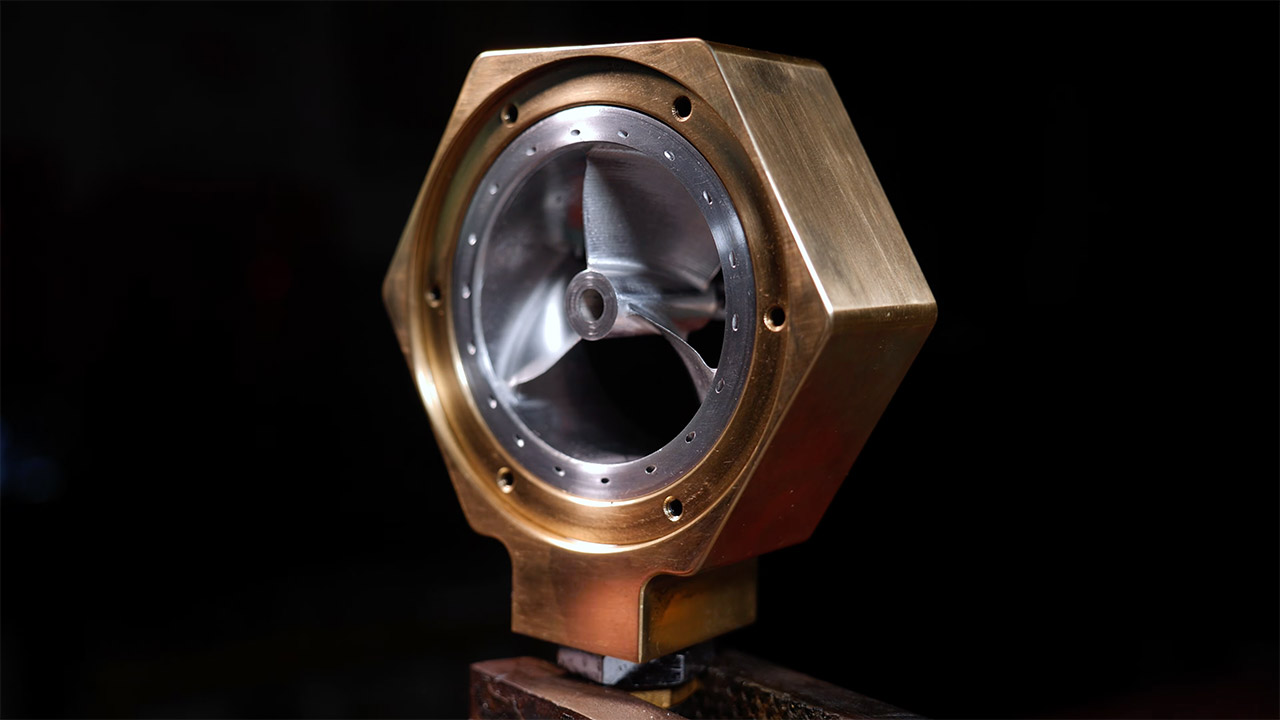
Some further tweaking resolved the heat buildup directly. He began spraying water into the combustion area, which changed to steam and reduced the exhaust temperature down just enough to be safe. To their relief, the modified setup finally allowed the fan to spin freely again while the engine produced some measurable thrust. When tested on a scale, the complete test rig produced a respectable 2.7 kg of thrust at full burn. Combustion was clean and stable, with no visible unburned fuel in the exhaust, while the nozzle glowed a bright red under sustained thermal load.
[Source]
Engineer Builds Jet Engine With a Floating Fan in His Workshop
#Engineer #Builds #Jet #Engine #Floating #Fan #Workshop