Custom-Built Steam Machine Might Outperform the Official Gaming Console
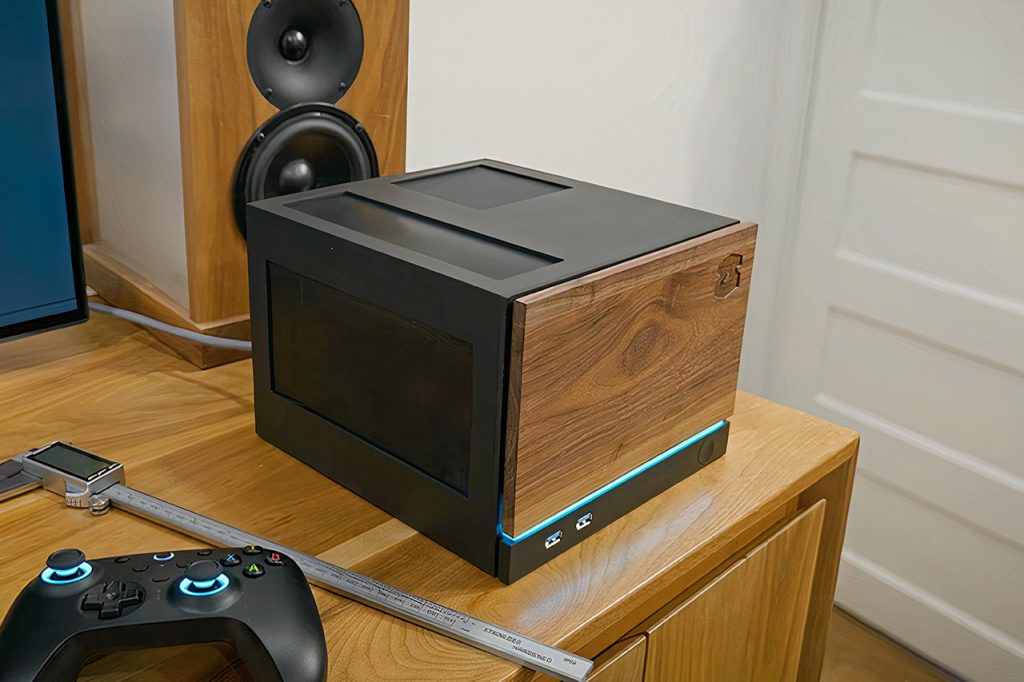
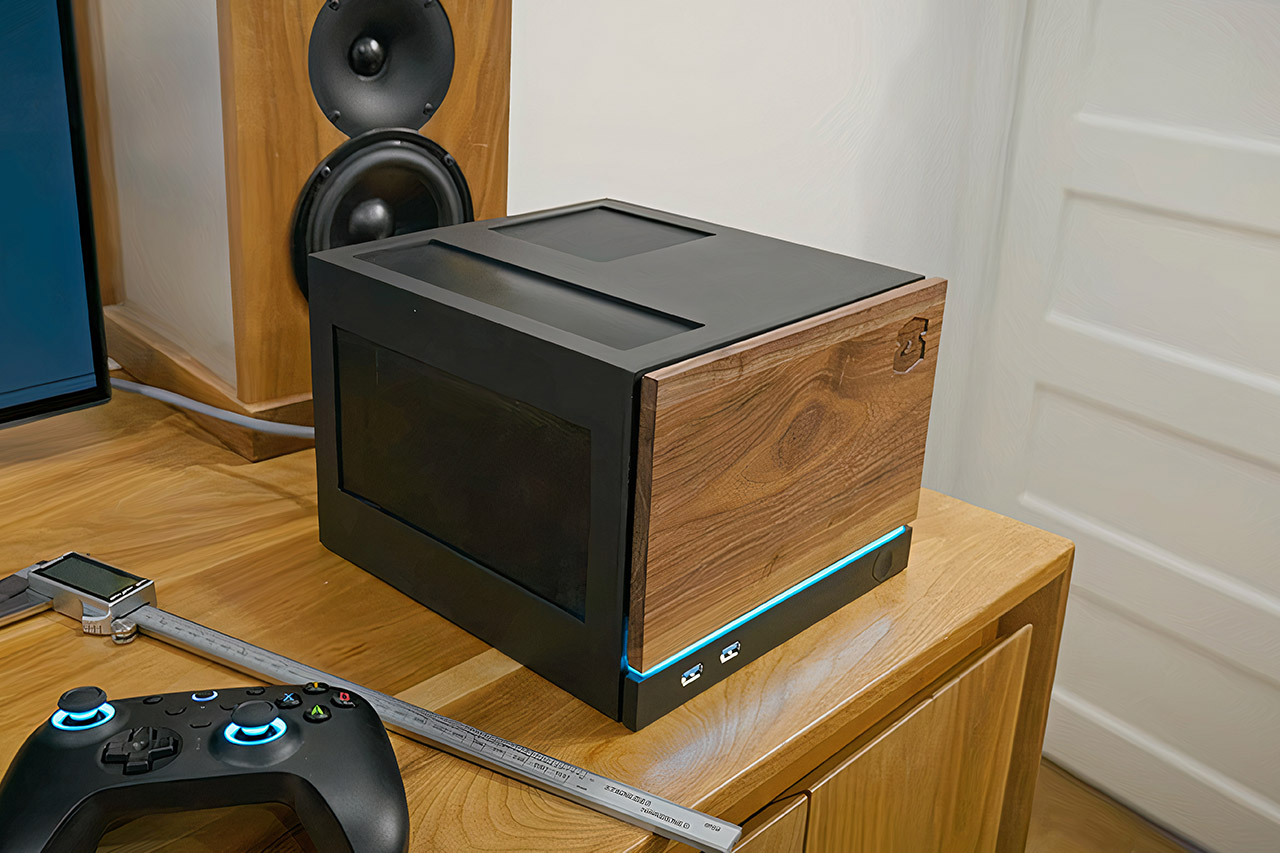
Zac Builds was fed up with waiting for Valve to finally release their Steam Machine. So, he decided to do things the hard way and build his own version from the ground up, resulting in something that actually exceeded Valve’s official product in terms of speed and price. What started as a fun little competition to see who could be the first to market has grown into a full-featured gaming machine that anyone with basic tools can construct at home.
The hunt for parts began with a trip to the used market, where Facebook Marketplace provided some incredibly inexpensive hardware components. The system is powered by a Ryzen 5 5600X processor and a Radeon RX 9060XT graphics card with 16GB of memory. To keep everything operating smoothly, 16GB of DDR4 3200 RAM handles day-to-day operations, while a 2TB NVMe solid-state drive stores the full gaming collection. It all plugs into a Gigabyte B550I Aorus Pro X Mini-ITX motherboard, which is powered by a Corsair SF600 SFX power supply. A Noctua low-profile cooler keeps the temperature under control even during extended gaming sessions. To cap it off, Zac added a few more accessories, including front USB ports, a power switch, and an LED light strip that resembles the Valve prototype they showed off months ago.
Sale

ASUS ROG Xbox Ally – 7” 1080p 120Hz Touchscreen Gaming Handheld, 3-month Xbox Game Pass Premium…
- XBOX EXPERIENCE BROUGHT TO LIFE BY ROG The Xbox gaming legacy meets ROG’s decades of premium hardware design in the ROG Xbox Ally. Boot straight into…
- XBOX GAME BAR INTEGRATION Launch Game Bar with a tap of the Xbox button or play your favorite titles natively from platforms like Xbox Game Pass…
- ALL YOUR GAMES, ALL YOUR PROGRESS Powered by Windows 11, the ROG Xbox Ally gives you access to your full library of PC games from Xbox and other game…
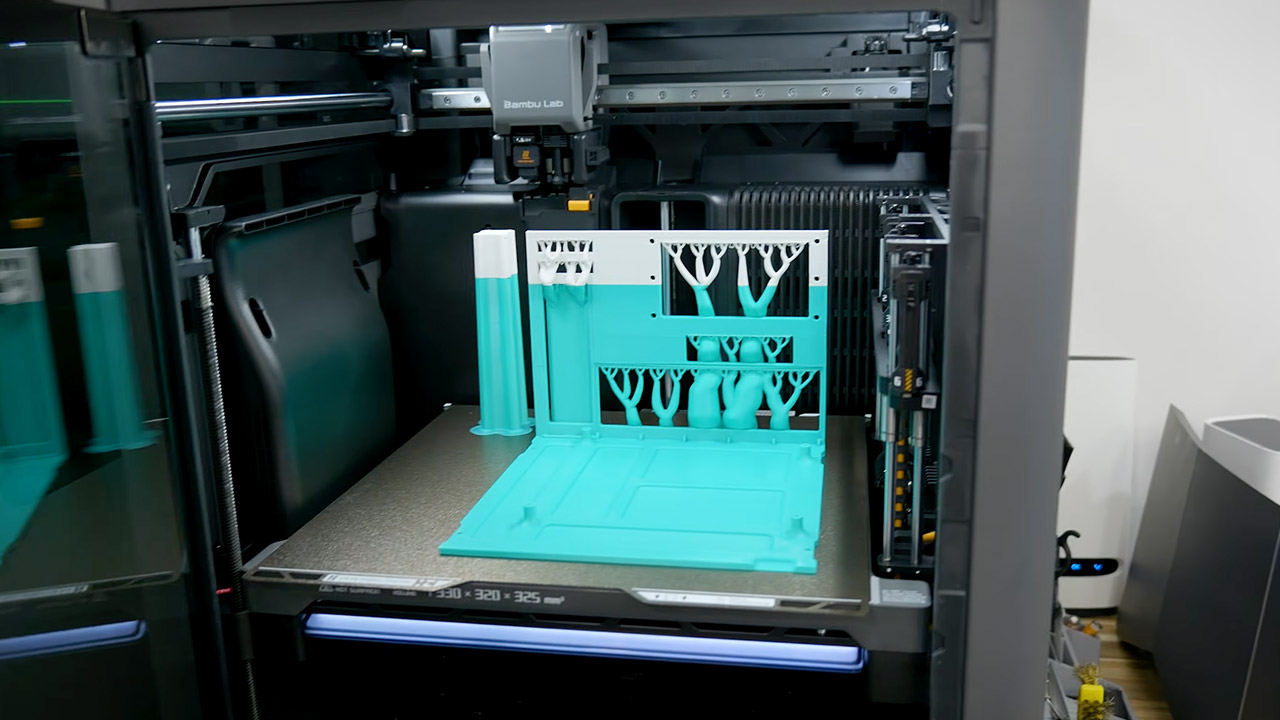
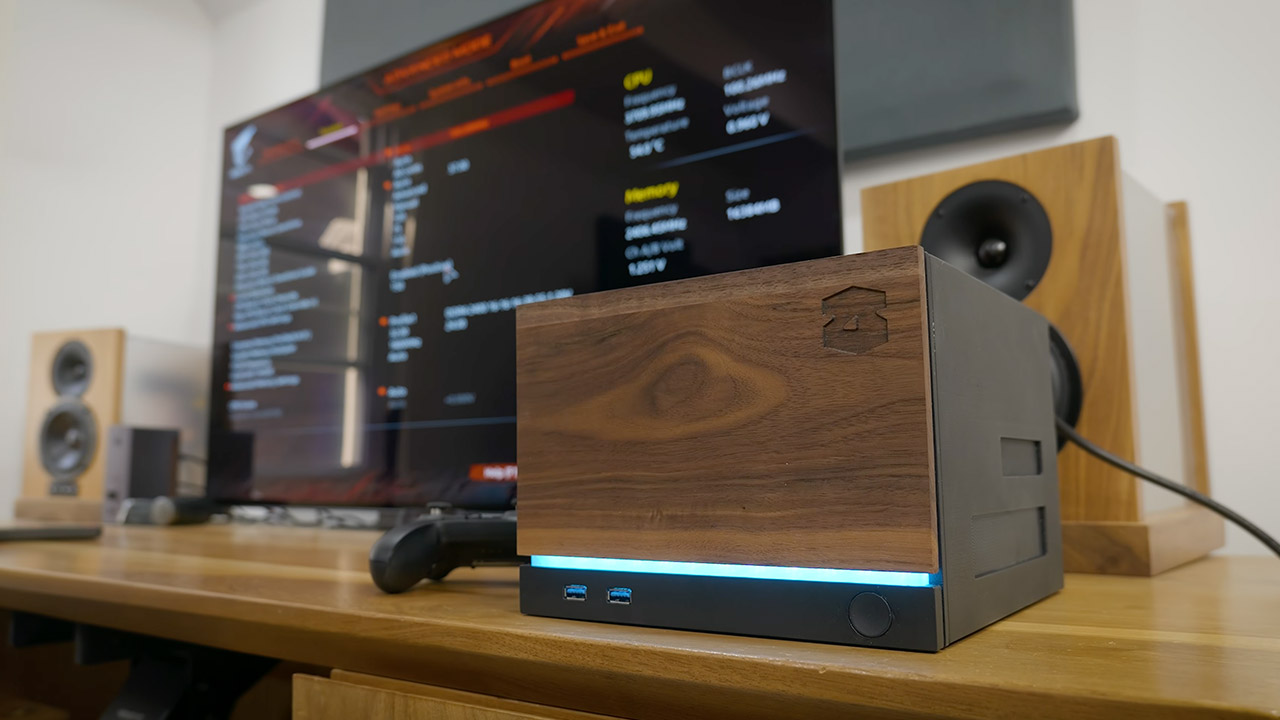
Putting things together was more difficult than simply plugging everything in and calling it a day. He built the entire enclosure using his 3D printer with ultra-durable ABS-GF filament. The front panel is held in place by magnets, so you can easily swap out the printed one for a walnut wood face whenever the mood strikes. A unique intake plenum directs cool air directly to the components, and mesh dust filters keep everything clean. After some sanding, primer, and a layer of matte black spray paint, the printed pieces looked like the real thing, factory-finished and all. The finished container is somewhat thicker and deeper than Valve’s intended output, but it still fits nicely on a shelf or entertainment center.
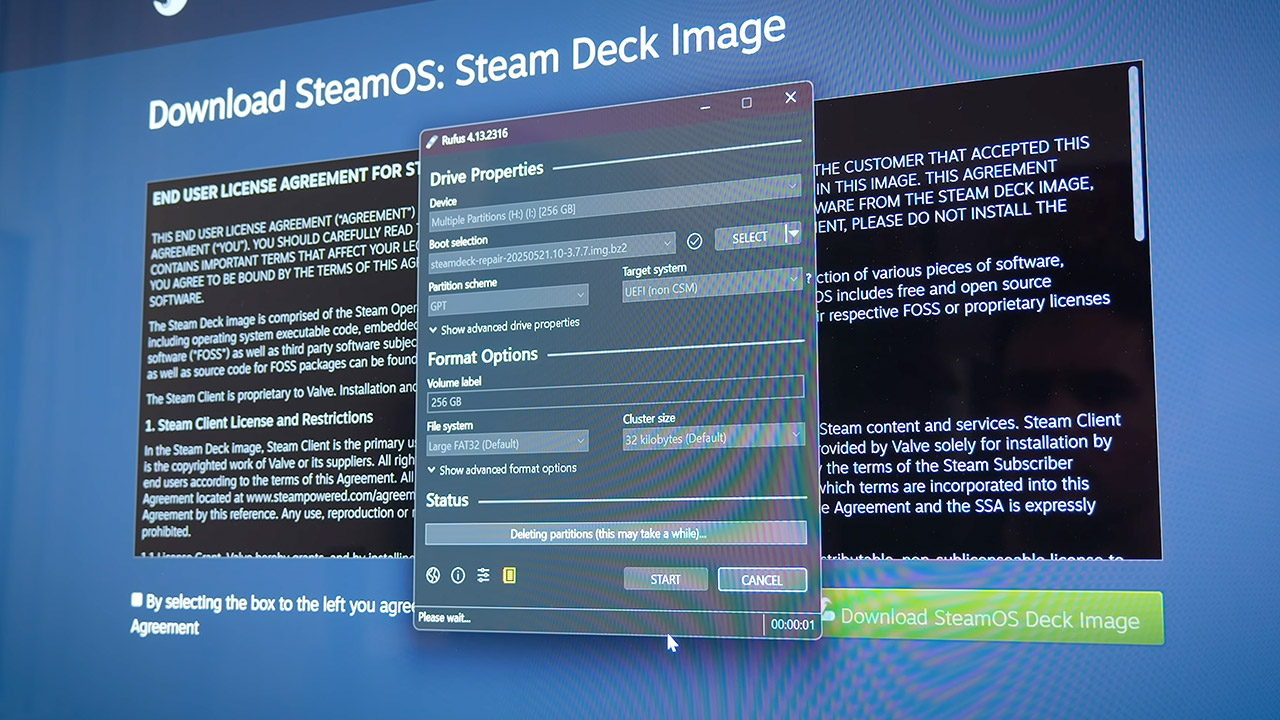
SteamOS just refused to boot up correctly because the graphics hardware was too modern for the present drivers. It’s not a big deal, though, because Zac has recently converted to Bazzite, a Linux distribution that has the same appearance and feel as SteamOS but is specifically designed for new graphics hardware. The UI loaded smoothly, and all of the controllers worked well, including that fancy 8Bitdo Ultimate 2 he has for couch gaming. From the outside, the machine behaves just like the real thing, which Valve is still working on.
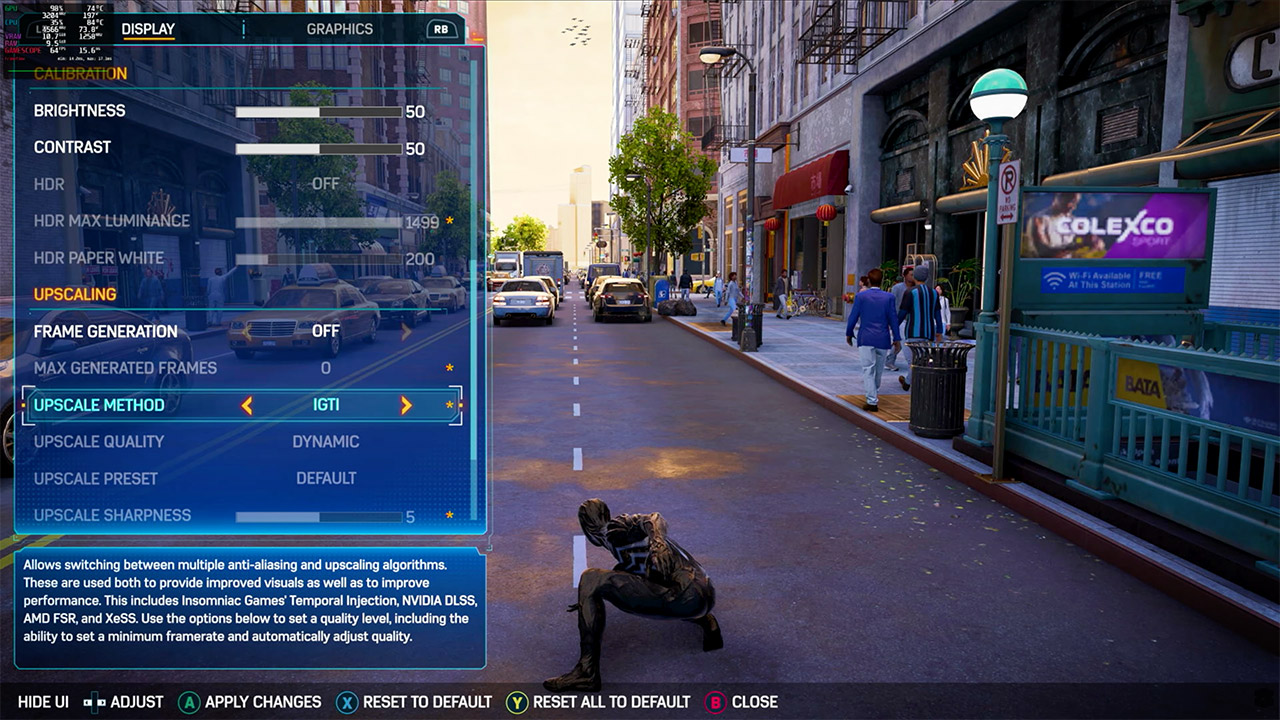
Testing began immediately after everything appeared to be in order. Arc Raiders, Spider-Man 2, and Cyberpunk 2077 all performed flawlessly at 4K resolution, with graphical settings ranging from High to Medium: no problems. Frame rates remained consistent at 60 frames per second or higher, thanks to AMD FSR 4.0 handling upscaling and frame creation as needed. Valve uses the same technology to reach their performance requirements, as evidenced by the RX 9060XT graphics chip, which has almost double the raw power of the RX 7600M-level chip found in the official hybrid. Overall performance ranges from 50 to 100 percent better, depending on the game. The power demand is quite high at over 300 watts during peak loads, which is slightly more than the 110 watts claimed by Valve, but the extra headroom pays off handsomely in terms of smoother gaming and future-proofing.
So, after all of the spending, Zac spent little over 1300 Canadian dollars, which is just shy of 950 dollars in US currency. The good news is that amount is still lower than the estimated $1,000 price tag for Valve’s two-terabyte machine. The majority of the savings come from purchasing used components at a low cost, as well as the fact that 3D printing the casing is significantly less expensive than purchasing a pre-made one. Another advantage is that every main component is extremely straightforward to hot swap or upgrade later on, as opposed to sealed console systems.
Custom-Built Steam Machine Might Outperform the Official Gaming Console
#CustomBuilt #Steam #Machine #Outperform #Official #Gaming #Console