AI platforms reshape the web scraping landscape as business intelligence priorities shift
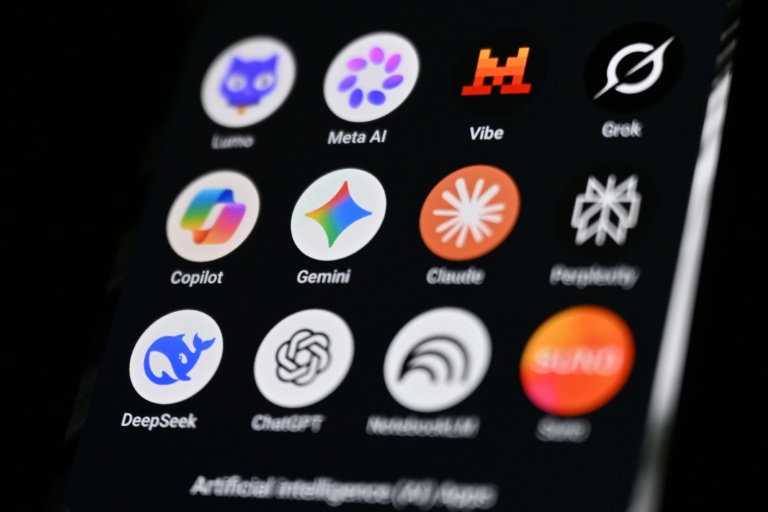
The websites that businesses choose to scrape offer a revealing insight into evolving digital priorities. According to a new report from web data platform Decodo, artificial intelligence platforms, developer communities and automation services have become some of the world’s most sought-after sources of publicly available online data.
The findings, based on anonymised scraping activity across Decodo’s customer base during 2026, indicate a significant shift away from traditional web destinations and towards platforms that increasingly influence business decision-making. The report marks the largest change in the company’s three-year analysis, with seven websites dropping out of last year’s top ten ranking.
While social media platform TikTok retained the number one position for the second consecutive year, the appearance of AI services ChatGPT and Perplexity among the most scraped websites demonstrates how rapidly organisations are adapting to an AI-driven information ecosystem.
According to Decodo’s ranking, the ten most scraped websites in 2026 are TikTok, Google, ChatGPT, Naver, Perplexity, Make.com, Target, Amazon, GitHub and Stack Overflow.
Only three websites, TikTok, Google and Amazon, remain from the previous year’s list. Former entrants including YouTube, Walmart, eBay, Crunchbase and Airbnb have disappeared from the rankings entirely. The findings suggest that data collection strategies are increasingly centred on understanding how AI systems generate information rather than simply analysing conventional search engine behaviour.
As Decodo chief executive Vaidotas Juknys explains, organisations are no longer interested solely in discovering what users search for online. Increasingly, they seek to understand how platforms powered by generative AI present information, recommend products and cite sources. This reflects the growing importance of so-called “answer engines”, systems that provide direct responses rather than lists of links. Platforms such as ChatGPT and Perplexity have become influential gateways to information for consumers, researchers and businesses alike.
The emergence of generative engine optimisation
A notable consequence of this shift is the expansion of generative engine optimisation (GEO), an emerging discipline focused on improving visibility within AI-generated responses.
For years, businesses monitored search engine rankings through search engine optimisation (SEO). Today, many organisations are increasingly concerned about how their brands, products and services appear in AI-generated answers.
Unlike traditional searches, where users are presented with multiple links, generative AI engines often summarise information and highlight selected sources. This makes monitoring AI outputs strategically important for companies seeking to understand their digital reputation and competitive positioning. The growing popularity of scraping AI platforms therefore reflects a broader trend. Organisations want to know what information AI systems are surfacing, which websites are being cited and how competitors are represented in machine-generated responses. As AI assistants become embedded within search experiences, customer service systems and workplace productivity tools, understanding these outputs becomes commercially valuable.
Another notable development is the arrival of developer-focused platforms GitHub and Stack Overflow in the top ten. The inclusion of these sites points to increasing demand for technical knowledge, coding resources and open-source information. Both platforms contain vast amounts of programming expertise contributed by global communities of developers.
GitHub, owned by Microsoft, hosts millions of software repositories and has become a cornerstone of the open-source ecosystem. Meanwhile, Stack Overflow continues to function as one of the world’s largest repositories of programming questions and answers.
Their appearance in the ranking highlights the growing appetite for technical datasets that can be used to support software development, machine learning and AI model training.
As organisations invest more heavily in AI systems, access to high-quality technical information has become increasingly valuable. The data suggests many firms are collecting publicly available developer content to enhance internal tools, support automation initiatives or improve AI-assisted coding capabilities.
Search remains important, but becomes more diverse
Although AI services are attracting increased attention, search engines continue to play a central role in data collection activities. Google remains the second most scraped website, indicating that conventional search intelligence remains important for businesses seeking insight into consumer behaviour, online visibility and market trends.
However, the emergence of South Korean search platform Ad at number four demonstrates a growing emphasis on regional and international data sources. Naver dominates the South Korean search market and serves as a reminder that global digital intelligence increasingly requires a broader perspective than Google alone can provide. For multinational organisations, understanding local search ecosystems can be crucial when entering new markets, evaluating regional trends or developing international marketing strategies. The rise of regional platforms within scraping datasets may therefore reflect a broader move towards geographically diversified digital intelligence gathering.
E-commerce platforms also continue to feature prominently within the ranking. Retail giant Target entered the list for the first time at number seven, while Amazon remained in the top ten despite falling from third place in 2025 to eighth position this year. This continued interest reflects the enduring value of publicly available retail information. Businesses routinely monitor pricing, product availability, customer reviews and inventory trends to gain competitive insight.
E-commerce data has long been among the most commonly collected categories of web information because it provides near real-time visibility into consumer demand and competitor activity. While AI platforms may be attracting increasing attention, retail intelligence clearly remains a fundamental component of many organisations’ data strategies.
Automation platforms also enter the spotlight
The appearance of automation service Make.com at number six is another sign of changing business priorities. Automation tools are increasingly being used to connect applications, orchestrate workflows and reduce manual tasks. Their inclusion among the most scraped sites suggests growing corporate interest in understanding emerging automation practices and digital workflow trends. This development aligns with broader industry investment in automation technologies. Organisations are seeking ways to combine AI models, workflow software and cloud services to streamline operations and improve efficiency. Consequently, platforms that support digital automation are becoming important sources of market intelligence in their own right.
Decodo predicts further disruption in future rankings as AI platforms, automation services and regional search engines continue to evolve. Potential future entrants could include Google’s Gemini, Microsoft’s Copilot, China’s Baidu and automation-focused platforms such as Zapier and n8n. If current trends continue, the distinction between search engines, AI assistants and automation systems may become increasingly blurred.
AI platforms reshape the web scraping landscape as business intelligence priorities shift
#platforms #reshape #web #scraping #landscape #business #intelligence #priorities #shift