Q&A: Lack of skilled workers could stall the data centre boom
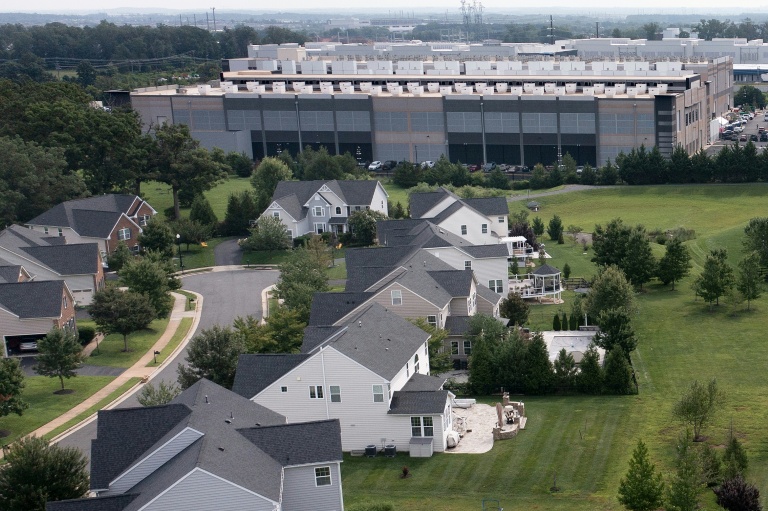
Companies are pouring billions into new data centre capacity to support the AI boom, but a shortage of skilled workers could become another constraint on how quickly those projects come online. Greg Summers, CEO of Orion Talent, shared his thoughts with Digital Journal.
Digital Journal: As data centre development accelerates, where are you seeing the greatest workforce pressures emerge?
Greg Summers: The biggest workforce pressure is happening before these facilities ever come online. Companies are making massive investments in data centre capacity, and getting it built requires a much larger concentration of skilled labour. Many of those workers were already in short supply before data centre investment accelerated, and the pace of development is putting even more pressure on an already constrained talent pool.
That means companies need to think about workforce needs much earlier in the development process. Talent needs to be part of the infrastructure conversation from the very beginning, alongside power, land, permitting, and construction capacity. Companies should be identifying where critical skills will come from and where they may need to invest in new talent pipelines or training well before construction begins. Location adds another layer to that challenge. Many data centres are being built in communities that may not have the housing or other resources to support a large influx of workers, even temporarily. Companies need to account for how they’ll bring workers into these areas and support them throughout the build. If companies wait until construction is underway to figure out where thousands of skilled workers will come from, talent can become another bottleneck that slows projects down and drives costs higher.
DJ: Which skilled trades and technical roles are becoming most critical to data centre construction, and why is talent particularly difficult to find in these areas?
Summers: We’re seeing growing demand for technicians, electricians, and commissioning engineers and managers, among other roles. The challenge is that data centres are pulling from many of the same talent pools already supporting advanced manufacturing and other major infrastructure projects – and those talent pools are limited. Companies are essentially competing for workers who already have a lot of options for where they can take their skills.
These are highly technical roles that require skills developed through hands-on experience, training, and apprenticeships. A qualified workforce isn’t going to appear overnight. Employers have to think beyond filling the jobs they have open today and start building a longer-term pipeline. That could mean developing talent internally, creating stronger training and apprenticeship pathways, or looking to adjacent industries for people with the technical aptitude to make the transition. The organizations that start making those investments now will be better equipped to keep pace as demand for skilled talent continues to grow.
DJ: As demand outpaces the traditional talent pool, where can employers look for workers with transferable skills, and how should they assess candidates who may not have direct data centre experience?
Summers: Companies have to get comfortable looking beyond candidates who perfectly meet all of the desired requirements or have previously worked in a data centre. Advanced manufacturing, the military, energy, construction, and other technical environments can produce people with many of the underlying skills these projects require. Someone may understand complex electrical systems, industrial equipment, cooling systems, or safety-critical operations even if “data centre” has never appeared on their resume.
The hiring process should place a greater emphasis on technical aptitude, learning agility, and how someone applies the skills they already have. When hiring managers are evaluating candidates, they should ask themselves: Can this person troubleshoot? Can they learn a new system quickly? Can they work safely in a highly technical environment? Can they adapt as the technology changes? Those questions tell you much more about someone’s potential than simply looking for an exact match to a job description.
DJ: What happens to workforce demand once a data centre is built? How do the talent needs shift from construction to ongoing operations?
Summers: Most of the job creation related to data centre operations comes from the build cycle. Construction requires a broad group of tradespeople and technical specialists to physically build and commission the facility. Once a data centre is operational, however, it can run with a relatively lean workforce, and demand shifts toward the technicians, engineers, facilities professionals, and other specialists responsible for keeping highly complex systems operating reliably.
That shift is important for workforce planning because the talent strategy for building a facility looks very different from the one needed to operate it for the next decade or two. There’s also a much bigger infrastructure story taking shape. We’re entering a new cycle of investment and innovation across energy, transportation, housing, water, and other critical systems, many of which rely on the same physical trades and technical skills needed to build data centres. That creates a natural next step for this workforce, with opportunities for skilled workers to move from one major infrastructure project to the next as investment continues.
DJ: Looking ahead, how could sustained data centre growth reshape the skilled trades and technical workforce more broadly?
Summers: Data centre growth could create tremendous opportunities for skilled trades and technical workers. These jobs are becoming increasingly connected to the AI economy because every new AI capability ultimately depends on physical infrastructure. Electricians, technicians, HVAC specialists, engineers, and other skilled workers are going to play a major role in whether that infrastructure can actually be built at the pace companies are planning.
It also raises the stakes for workforce development. Data centres, advanced manufacturing, and other growing industries are competing for overlapping skill sets. Employers can expand that pool by investing earlier in training, building partnerships with schools and workforce organizations, and creating pathways for people with transferable skills. The companies that develop talent alongside their infrastructure will be in a much stronger position as demand continues to grow.
Q&A: Lack of skilled workers could stall the data centre boom
#Lack #skilled #workers #stall #data #centre #boom