Africa’s clinical trial capacity gets a boost as Ebola vaccine development accelerates
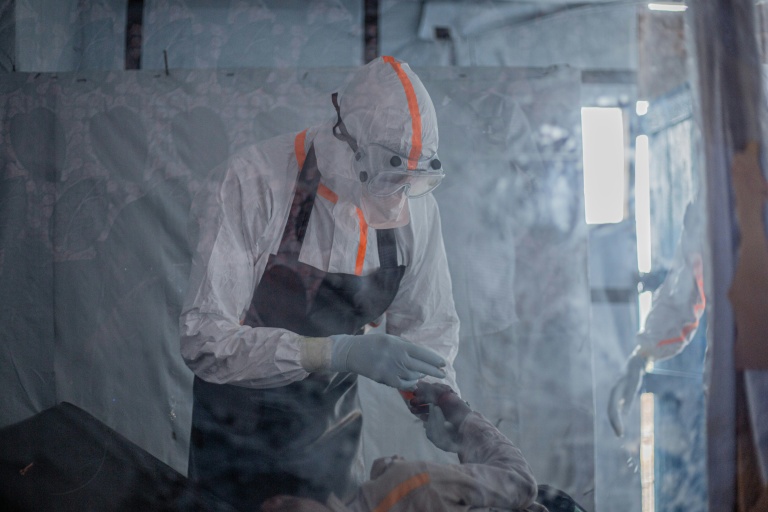
The ability to rapidly launch clinical trials during an infectious disease outbreak can make the difference between containing an epidemic and allowing it to escalate. Recognising this challenge, the Africa Centres for Disease Control and Prevention (Africa CDC) and the Coalition for Epidemic Preparedness Innovations (CEPI) have launched a new database designed to connect vaccine developers with African clinical trial sites capable of conducting Phase 1 studies.
The initiative comes at a critical time as researchers seek to accelerate the development of vaccines against Bundibugyo ebolavirus, one of the less common but still highly dangerous species of Ebola virus. The publicly accessible resource provides information on 45 clinical trial units located across 17 African countries, offering developers a detailed view of the continent’s early-stage vaccine testing capabilities.
Accelerating outbreak response
In epidemic preparedness, speed is everything. Before any vaccine can be widely deployed, it must progress through a series of clinical development stages. Phase 1 trials are the first step in testing a candidate vaccine in humans, assessing safety, dosage levels, and immune responses.
Identifying suitable trial locations can often take weeks or months, especially during an unfolding public health emergency. The new CEPI-Africa CDC database aims to reduce this bottleneck by providing developers with immediate access to site information, infrastructure details, operational capabilities, and previous trial experience.
According to Africa CDC Director-General Dr Jean Kaseya, the initiative demonstrates the continent’s growing scientific capacity. “Africa has the scientific expertise, infrastructure and leadership to drive vaccine research on the continent. This database gives developers a clear pathway to experienced African clinical trial sites and enables faster action when every day matters.”
The database was compiled through a Request for Information process that invited research institutions from across Africa to submit details about their capabilities. The result is a searchable resource designed to facilitate rapid partnerships between vaccine sponsors and experienced trial centres.
Building on existing expertise
The new resource also challenges a longstanding misconception that cutting-edge clinical research must take place primarily in Europe or North America. Many African institutions participating in the initiative have extensive experience conducting studies involving epidemic-prone pathogens.
Several sites reported mature quality management systems, electronic data capture platforms compatible with international sponsor requirements, and established ethical review processes.
Importantly, many institutions also possess strong community engagement programmes, an often overlooked factor in outbreak research. During public health emergencies, rapid participant recruitment must be balanced with ethical safeguards, transparent communication, and community trust. Research centres with established local relationships are often far better positioned to achieve these goals than organisations entering a region for the first time.
The database highlights a broader issue within global medical research. Africa is home to nearly 20 percent of the world’s population, yet less than five percent of global clinical trials are conducted on the continent.
Vaccines and therapeutics are often tested primarily in populations located outside Africa before being deployed in African settings. While many interventions remain highly effective across diverse populations, expanding clinical research within Africa can improve the relevance of data, strengthen regional scientific capacity, and support faster responses during health emergencies.
The new initiative seeks to enhance visibility of existing infrastructure while encouraging additional investment. Clinical trial capability does not emerge overnight. It requires trained personnel, laboratory facilities, regulatory expertise, quality systems, logistics networks, and sustainable funding. Much of Africa’s current capacity has been developed through years of collaboration among governments, universities, public health institutions, and international partners.
By publicly documenting this capability, CEPI and Africa CDC hope to increase utilisation of existing resources while identifying areas requiring further investment.
Responding to Bundibugyo ebolavirus
The immediate catalyst for the initiative is the ongoing Bundibugyo ebolavirus outbreak affecting parts of Central and East Africa. Although less well-known than the Zaire species responsible for several major Ebola outbreaks, Bundibugyo ebolavirus can still cause severe disease and significant mortality. The current outbreak has intensified efforts to develop targeted vaccines and other medical countermeasures.
According to Dr Nicole Lurie, CEPI’s Executive Director for Preparedness and Response, visibility of Phase 1-ready sites is critical to accelerating development timelines. “In an outbreak, every day counts. Rapid vaccine development depends on clinical trial systems that are ready to activate.”
Lurie added that improved access to information about capable sites could help ensure that vaccines are tested in African populations while simultaneously strengthening regional outbreak response capabilities. This aligns with broader discussions around research equity, which increasingly emphasise conducting research in the regions most directly affected by disease threats.
An important feature of the project is its transparency. The database provides standardised information. This allows vaccine developers to conduct rapid preliminary assessments before engaging directly with prospective sites.
CEPI notes that inclusion in the database does not constitute endorsement or accreditation. Sponsors are still expected to undertake their own due diligence, site visits, feasibility assessments, and qualification activities before selecting locations for clinical studies. Nevertheless, having these data available upfront could significantly shorten preparatory timelines when urgent action is required.
The launch of the database reflects a larger shift in global health preparedness. The COVID-19 pandemic revealed both the benefits of rapid vaccine development and the weaknesses in international research infrastructure. Since then, organisations such as CEPI have promoted the concept of the “100 Days Mission,” an ambitious goal to develop safe and effective vaccines against emerging threats within 100 days of pathogen identification. Achieving such objectives depends not only on scientific breakthroughs but also on operational readiness. Hence, clinical trial networks, regulatory systems, investigator expertise, and community partnerships are every bit as important as laboratory innovation.
Africa’s clinical trial capacity gets a boost as Ebola vaccine development accelerates
#Africas #clinical #trial #capacity #boost #Ebola #vaccine #development #accelerates