Canada’s mining future comes with a hidden carbon cost
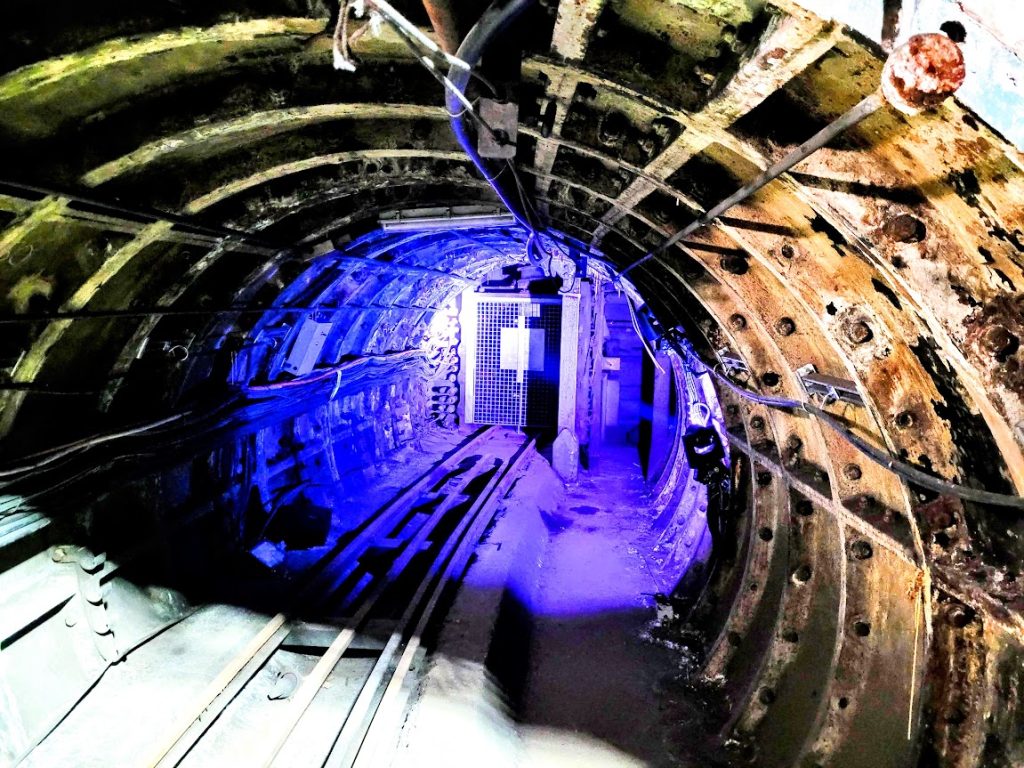
Many greenhouse gas inventories focus on the most obvious sources of emissions. Yet environmental systems are often highly complex, and previously overlooked processes can have significant consequences. As net zero targets become increasingly important, there is growing pressure to improve the accuracy and completeness of carbon accounting methods, including mining. Canada is often viewed as a cornerstone of the global green transition. The country is rich in the metals needed to build electric vehicles, renewable energy infrastructure, battery storage systems and modern electrical grids. Copper, nickel, cobalt, lithium and rare earth elements have become strategic resources in the race towards net zero.
However, new research suggests that the environmental cost of mining may be considerably greater than previously understood. A study led by researchers at the University of St Andrews, published in the journal Environmental Science and Technology, has identified a significant and largely overlooked source of carbon dioxide emissions associated with metal mining. The findings indicate that the long-term carbon footprint associated with acid mine drainage could be more than ten times greater than conventional estimates of mining-related emissions.
While the research focused on a mining district in south-east Spain, the implications extend far beyond Europe. For countries like Canada, where mining forms a vital part of both the economy and the green technology supply chain, the findings raise important questions about how the true environmental impact of metal production should be calculated.
A hidden consequence of mining
Acid mine drainage is a well-known environmental challenge facing mining operations worldwide. It occurs when sulphide-bearing minerals exposed during mining react with oxygen and water. The resulting chemical reactions generate acidic waters capable of dissolving and mobilising metals. The issue has been documented for decades by organisations including Natural Resources Canada and the Mining Association of Canada. Acid mine drainage is already recognised as a major environmental concern because it can contaminate rivers, lakes and groundwater with elevated levels of metals and acidity.
What has received far less attention is its potential contribution to greenhouse gas emissions. The new research demonstrates that when acidic mine waters are naturally or artificially neutralised, chemical reactions can generate significant quantities of carbon dioxide. These emissions occur both during environmental remediation and when acidic waters encounter naturally alkaline environments. According to the study, these carbon dioxide releases have been largely absent from conventional mining carbon footprint calculations.
The importance of the discovery lies in timing. The world needs more metals than ever before. According to the IEA, demand for key energy-transition minerals could increase several-fold over the coming decades as countries pursue electrification and renewable energy goals. Canada is expected to play a major role in this expansion. The Canadian government has already prioritised the development of critical minerals through its critical minerals initiatives, recognising their importance in supporting electric vehicle manufacturing, battery production and clean energy systems. Increased mining activity is often regarded as essential for reducing global carbon emissions. Yet this new research highlights a paradox. The metals needed to build low-carbon technologies may themselves carry a substantially larger carbon burden than previously recognised.
One of the most key findings from the research concerns time. Conventional carbon accounting typically focuses on emissions that occur during extraction, processing and transportation. However, acid mine drainage can continue long after a mine has ceased operating. Researchers estimate that sulphide minerals exposed during mining can continue reacting with oxygen-rich waters for hundreds or even thousands of years. As a result, carbon dioxide generation linked to acid mine drainage may persist far beyond the operational life of a mine.
This raises important questions for environmental accounting. Should a mine’s carbon footprint include emissions that continue centuries into the future? If so, how should regulators, governments and industry report such impacts? These questions are becoming increasingly relevant as investors and policymakers place greater emphasis on Environmental, Social and Governance (ESG) performance and lifecycle assessments. This places an importance on comprehensive sustainability metrics and improved environmental transparency across the sector.
Implications for Canadian mining
Canada possesses some of the world’s largest reserves of critical minerals. Major mining regions in Ontario, Quebec, British Columbia, Manitoba and the northern territories are expected to contribute significantly to future supplies of metals essential for clean technologies. Many Canadian mines already operate under stringent environmental requirements, including water management programmes designed to minimise acid mine drainage. Guidance from organisations such as the https://cda.ca/ and research supported by https://natural-resources.canada.ca/science-and-data/science-and-research/earth-sciences/minerals-metals/canmetmining/10778 has advanced understanding of mine water management considerably.
Nevertheless, the new findings suggest that carbon accounting methodologies may need updating. Current sustainability reporting frameworks generally focus on Scope 1, Scope 2 and Scope 3 emissions associated with energy consumption, transportation and supply chains. Acid mine drainage-related emissions are rarely discussed in greenhouse gas inventories. If similar carbon release mechanisms occur at scale across Canadian mining operations, then existing carbon footprint calculations may underestimate the industry’s overall contribution to atmospheric greenhouse gases.
Nonetheless, the findings should not be interpreted as an argument against mining. Rather, they highlight the need for innovation in how mining impacts are managed. The study’s lead researchers argue that improved remediation technologies could reduce these previously overlooked emissions. This presents opportunities for mining companies, environmental engineers and research institutions to develop alternative treatment approaches.
Canada is particularly well placed to contribute solutions. Organisations such as MIRARCO Mining Innovation and leading universities have long histories of addressing mine water challenges. Future research may identify remediation strategies that simultaneously reduce water pollution and minimise carbon dioxide generation. The development of such technologies could become an important component of sustainable mining practices as governments pursue increasingly ambitious climate commitments.
Canada’s mining future comes with a hidden carbon cost
#Canadas #mining #future #hidden #carbon #cost