Kevin Kersey: Turning digital content into commercial growth in sports
Opinions expressed by Digital Journal contributors are their own.
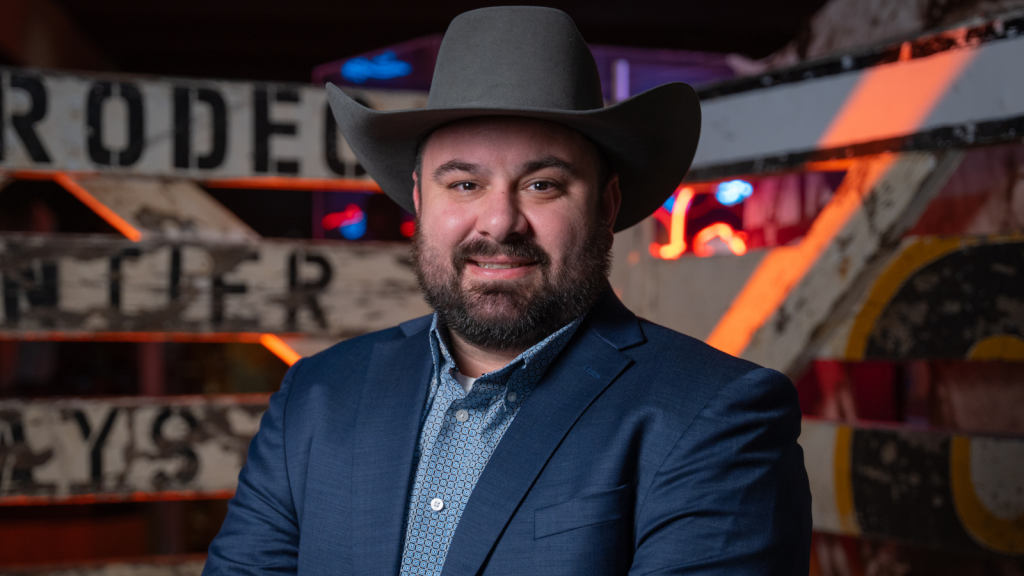
For sports organizations, digital content can become a commercial asset that expands sponsorship opportunities and strengthens partnerships, creating entirely new revenue streams. “I look at digital content as a commercial asset, not just a marketing function,” says Kevin Kersey, Vice President of Business Development at the Professional Rodeo Cowboys Association. Rather than asking what can be posted, he starts with what the organization is trying to accomplish and where a partner naturally fits into the story. That approach puts audience, content, and commercial objectives at the center of a multi-channel revenue strategy for sports organizations.
Building a commercial ecosystem around content
Rodeo offers an unusually rich foundation for that model. Its athletes, venues, livestock, major events, and broader lifestyle provide a deep well of stories that can be developed across platforms. The challenge is turning those stories into content that audiences genuinely want while giving brands a credible role within them.
That can take the form of branded content series, athlete storytelling, behind-the-scenes access, social content around major rodeos, or digital extensions of live brand activations. The important distinction is that digital should not be added to a sponsorship after the fact.
“The goal is to stop thinking about digital as an add-on to a sponsorship package. It should be part of the commercial strategy from the beginning,” Kersey says. The result is more than additional content. It creates more inventory, more value for existing partners, and more opportunities for new ones.
From posts to platforms brands can own
Effective sports sponsorships increasingly depend on understanding how fans move between channels. A fan might discover an athlete through a short-form video, watch a rodeo through broadcast or streaming, follow that athlete on social media, and later purchase a ticket when an event reaches their market.
Kersey sees those interactions as one connected ecosystem rather than isolated touchpoints. Short-form video can drive discovery, while longer-form storytelling, athlete content, behind-the-scenes footage, and event-driven programming serve different roles further along the relationship.
The strongest brand activations, however, are those where the sponsor has a genuine reason to be part of the story. “I am not interested in forcing a logo into a piece of content and calling it integration,” Kersey says. “If the brand adds something to the experience or has an authentic connection to the athlete, fan or lifestyle, the content becomes more valuable for everybody. Do not sell brands’ posts. Build platforms they can own and grow with you.”
Measuring what content actually delivers
Audience growth remains important, but reach and impressions only begin to explain a sponsor’s return on investment. The more meaningful question is what audiences do after encountering the content. Kersey looks across a range of actions: whether viewers watched, shared or clicked; whether they visited a partner’s website or entered a promotion; whether data was captured; and whether content influenced ticket sales or another measurable outcome.
No single metric captures the full value of a partnership. Digital performance needs to be considered alongside broadcast, streaming, live-event activation, and fan engagement. That broader view allows sports properties to explain not only how many people they reached, but what those audiences did and why that behavior matters to a partner’s business. For national sponsorship programs, that connection between audience behavior and business outcomes is increasingly central to building partnerships that drive measurable revenue.
Short-form video and creator partnerships offer another route to growth, particularly for niche sports. Rodeo has natural advantages: fast-paced action, recognizable personalities, authentic athletes, and a strong visual identity. Creators can introduce PRORODEO to audiences beyond its traditional channels, while athletes themselves can become credible content creators. Kersey sees that opportunity as bigger than conventional influencer marketing. “We can create an entire content network around the sport.”
The larger opportunity is to connect every part of the commercial model. Sponsorship, broadcast, social media, digital content, ticketing, and live events can no longer operate as separate products. Instead, brands can build relationships with fans across the entire ecosystem, from the arena to streaming platforms and social channels. Data will play an increasingly important role in that framework. Understanding what fans watch, purchase and engage with allows sports organizations to build partnerships around actual consumer behavior rather than assumptions.
Rodeo already has two critical ingredients: a loyal audience and a deep supply of content. The next step is connecting those assets into a scalable commercial platform. For Kersey, that is the foundation for the future of sports sponsorship monetization, where compelling stories do more than attract attention. They create lasting value for fans, athletes, brands, and the sport itself.
Kevin Kersey: Turning digital content into commercial growth in sports
#Kevin #Kersey #Turning #digital #content #commercial #growth #sports