Fermi Explorer Mission Will be First to Leave, Last to Arrive at Alpha Centauri
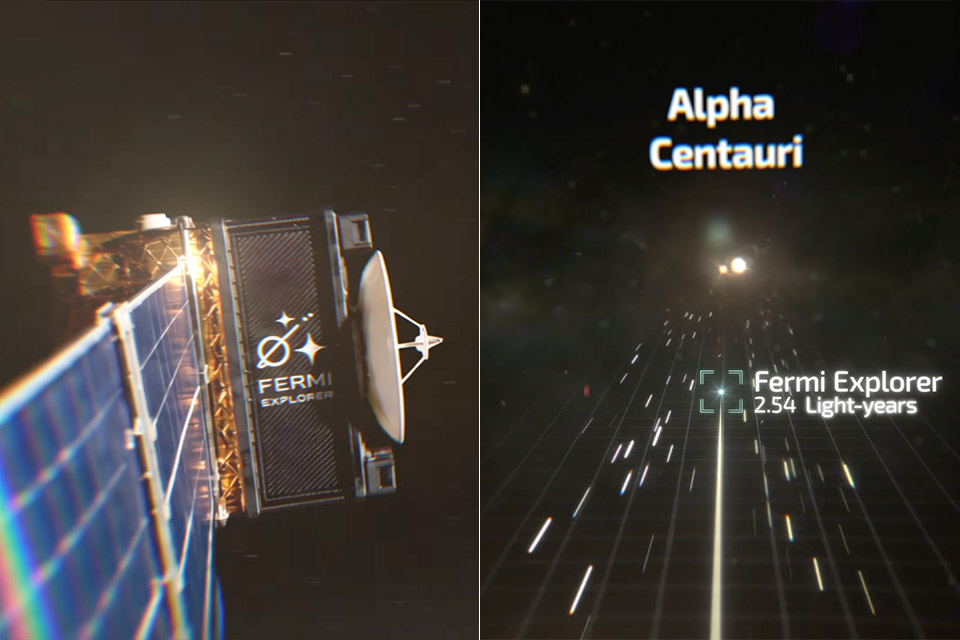
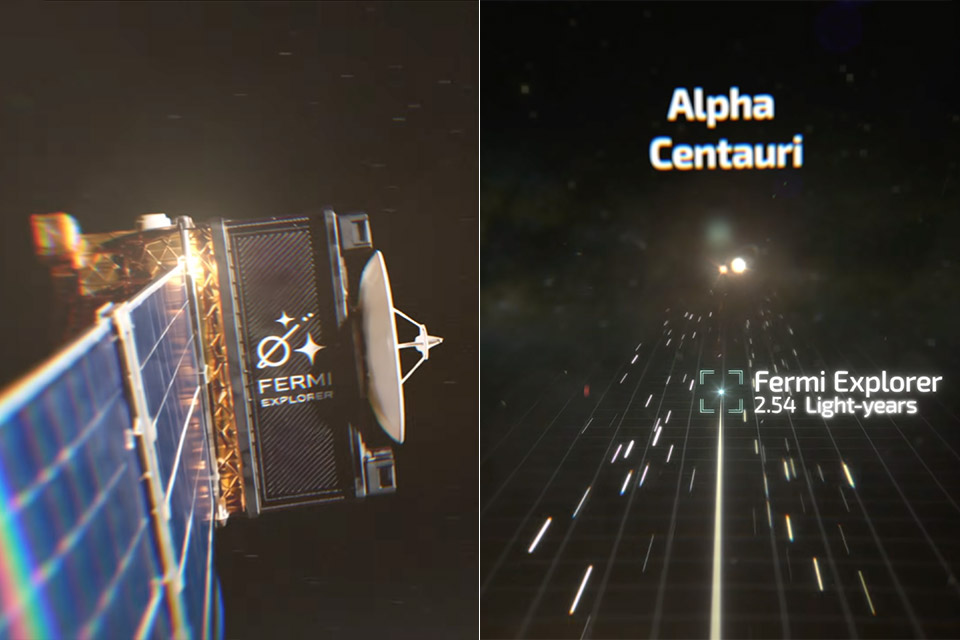
Fermi Explorer Mission is a new 501(c)(3) nonprofit in Redmond, Washington with a four-line spec that reads like a dare. Launch a spacecraft toward another star before the end of 2029. Keep design, build, launch, and operations under $15 million. Carry at least one kilogram inside a 10-by-10-by-10-centimeter box. Close at least 99 percent of the present gap to Alpha Centauri inside 80,000 years.
Philip Johnston, co-founder and president of the company, also manages Starcloud, an orbital data center, together with co-founders Ezra Feilden and Adi Oltean; the three form the core of the board. This leaves day-to-day operations in the hands of program manager Garrett Jameson, who formerly served in the United States Air Force. They also have an outstanding team of advisors, including Rob Meyerson, former president of Blue Origin, Matt Gialich of AstroForge, and several other flight hardware industry experts.

LEGO Icons NASA Artemis Space Launch System – DIY Rocket Model Building Set for Adults, Ages 18+ – Gifts…
- NASA rocket model kit – Launch into a creative project with the LEGO Icons NASA Artemis Space Launch System model building project for adult space…
- What’s in the box? – This creative building set includes everything you need to craft a multistage rocket with 2 solid-fuel boosters, an Orion…
- Features and Functions – This NASA-themed rocket model features retractable launch tower umbilicals, rocket support and crew bridge, detachable…
Enrico Fermi famously asked that lunchtime question in 1950: “If the galaxy is old and full of stars, then where is everybody?” It is still a question that hangs over us like a cloud. The Fermi Explorer team is tackling one piece of that issue head-on, albeit they hope to do so in a relatively low-key manner: with a probe to the nearest star system that they can afford, rather than depending on some fancy new drive that is still in the works. As Johnston has stated, they intend to be the first out there and the last to arrive, and he has also stated that none of the people who are creating the thing would be able to witness its ultimate journey.
Alpha Centauri is only 4.4 light years away right now, and Proxima is only slightly closer, but the Fermi Explorer team is going for the A-B system because it is essentially a dual star system that produces roughly 2000 times more energy than the red dwarf Proxima. It has been hypothesized that a future civilization will be more interested in a brighter beacon to follow. Now, because stars move around, Alpha Centauri will be in the same area of the sky as the constellation Cancer is now, and that is the location they are aiming for when planning the mission, rather than the exact location we can see it in now. Their closest approach will be about 2.6 million astronomical units from the A-B Barycenter, which is located within the system’s outer cloud of ice. By then, the stars will have moved on, so the probe will be just over six light years from the Sun, which is still a significant portion of the journey. They believe it is still the best option and would prefer to intercept the system in approximately 77,500 years. If that doesn’t work, they have a backup plan in place: an ecliptic plane crossing in 79,500 to 79,800 years.
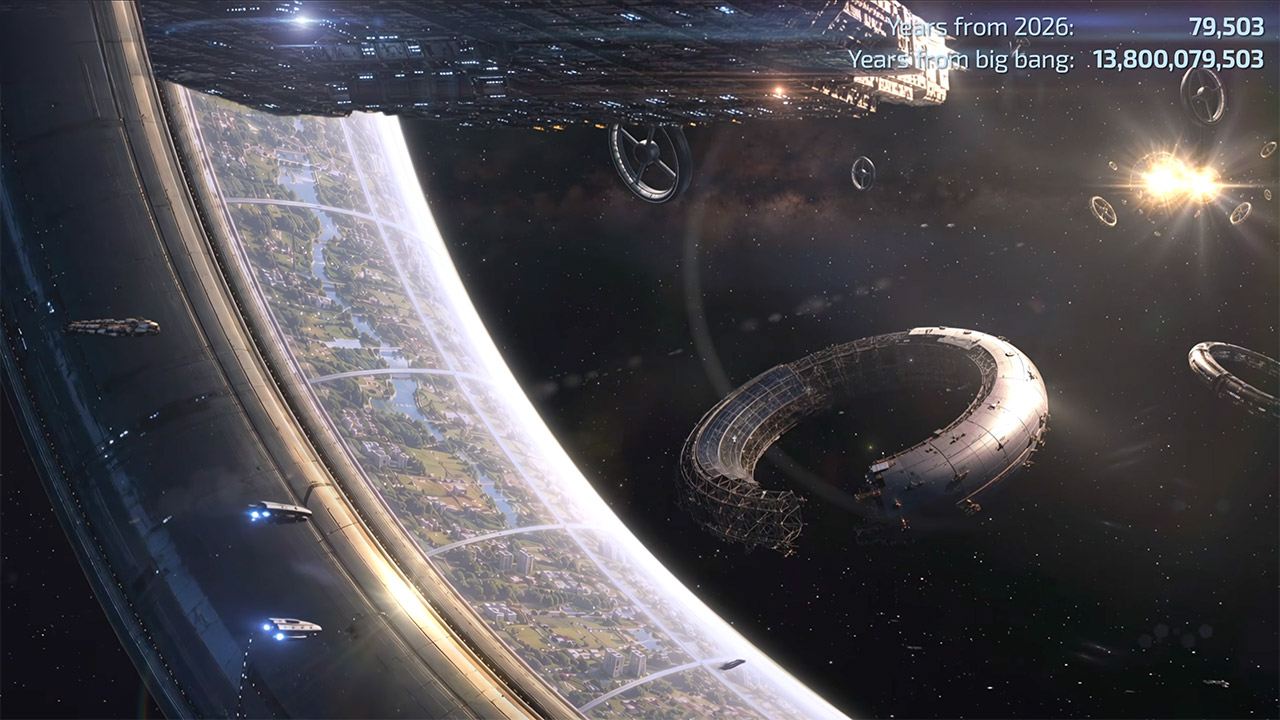
A rideshare is essentially a ticket off Earth. A geostationary transfer orbit is a more affordable choice for beginning started, as it is less expensive to purchase. If a manufacturer can only scrape together the cash for a Low Earth orbit, that is fine, but it will mean a longer, more painful spiral out of Earth’s gravity. After then, it’s not a straight path to the stars. Instead, it begins to move inside. Retrograde burns gradually reduce the perihelion from one astronomical unit to approximately 0.42 AU, which is closer than even Mercury. At each close flyby, the solar arrays receive around four times more light than they do on Earth, and the Oberth effect provides you an additional speed boost for every second of thrust utilized when you’re down in the Sun’s gravitational well. Spent over twelve years, with only 1.3 years of real engine time, this perihelion pumping progressively lifts the orbit until around 2043, when you have enough escape energy to break free. The cruising speed as you exit our system is around 23.6 to 25 km per second, or 54,000 to 55,000 miles per hour. After that, the engines remain silent for the duration of recorded history, plus an awful lot longer.
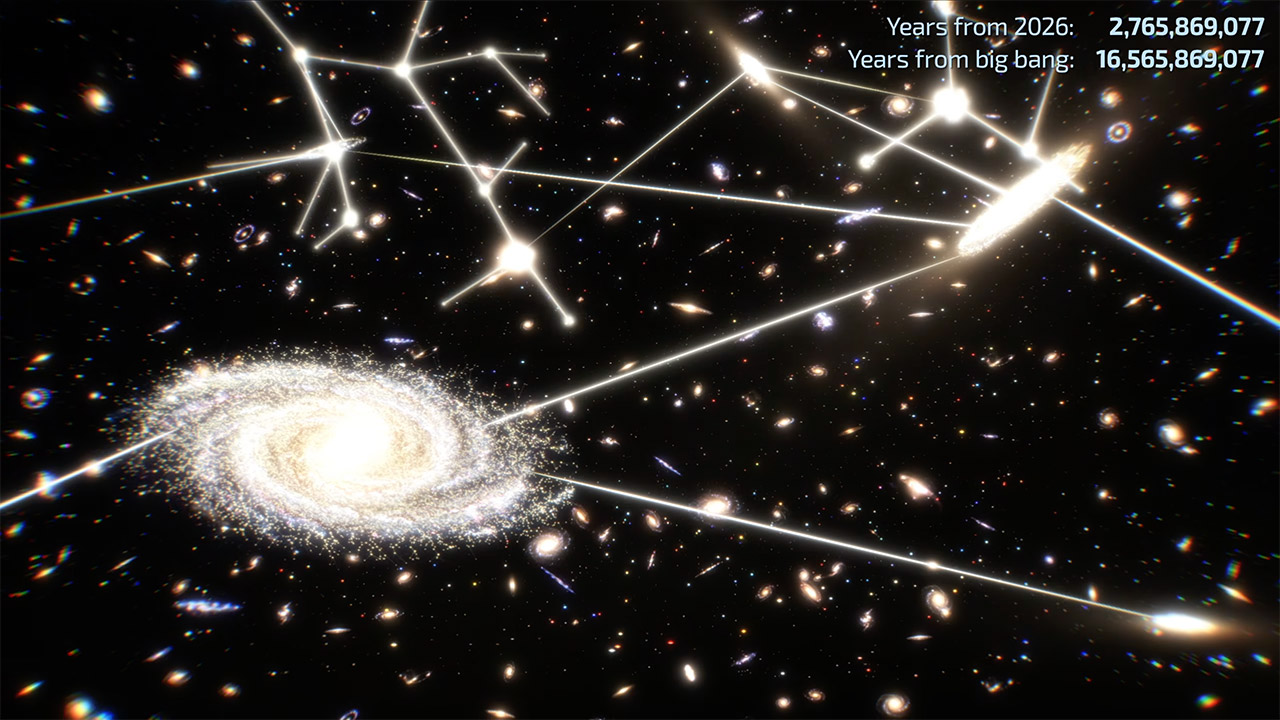
The launch mass for a GTO start is approximately 100-110 kg. Roughly 64% of that is xenon. The heavy lifting is being done by ion gridded thrusters, which have been used on Earth-orbiting and deep-space busses for many years. There are no laser sails, fusion stages, or imagined engines. You can expect to be in contact with the probe for around 18 months. Its retroreflectors should allow ground telescopes to track it all the way to Jupiter. After then, it’s merely a silent speck on a ballistic trajectory. The relative speed through Alpha Centauri is estimated to be 17.9 kilometers per second, or around 40,000 miles per hour, which is a quarter quicker than New Horizons’ speed when it went by Pluto.
[Source]
Fermi Explorer Mission Will be First to Leave, Last to Arrive at Alpha Centauri
#Fermi #Explorer #Mission #Leave #Arrive #Alpha #Centauri