Women’s health technology market faces new questions about capacity
Opinions expressed by Digital Journal contributors are their own.
Growing consumer awareness and investment are prompting companies across the women’s health technology sector to reconsider whether their existing infrastructure can accommodate demand.
The women’s health technology market has gained greater commercial visibility in recent years. New digital platforms, consumer products, and specialized services have entered the category as companies respond to increased public discussion of women’s experiences at different life stages.
This expansion is creating opportunities for businesses while also exposing capacity constraints. Companies operating in the sector must consider whether their technology, supply networks, staffing, and customer-service systems can support a larger and increasingly informed audience.
From niche to visible market
Women’s health was historically treated as a relatively narrow commercial category. Investment remained limited, products were often directed toward a small number of defined needs, and many services were delivered through conventional channels.
That position has been changing. The broader sector, often grouped under the term “femtech,” now includes digital platforms, tracking tools, educational services and technology intended to improve access to information and professional support.
CES 2026 marked a visible shift for the category. For the first time, the Digital Health Summit program included a dedicated Women’s Health Summit, and exhibitors showed hormone sensors and wearables designed to measure what had previously required a laboratory.
Forecasts for the category vary considerably depending on how it is defined. Global Market Insights valued the market at $66.2 billion in 2025. Mordor Intelligence put the 2026 figure at $9.78 billion, and The Business Research Company at $55.88 billion. The distance between those estimates says something in itself about how new the category still is. What they share is direction: each projects double-digit annual growth. This creates a practical question for companies entering the market: whether their operational infrastructure is developing at the same pace as consumer demand.
Infrastructure enters the conversation
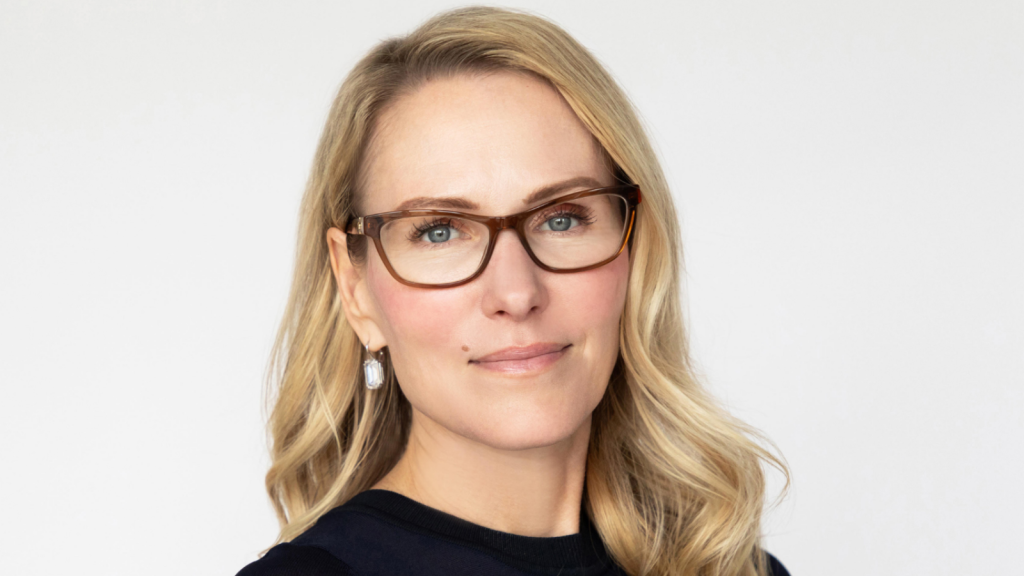
Sarah Daccarett, founder of women’s health telehealth company Inner Balance, views recent supply and service pressures as part of this wider commercial transition.
“Categories treated as low-volume for decades now have consumer demand that looks very different,” she said. “That mismatch becomes visible when existing systems are asked to serve a larger market.”
Her comments reflect a broader issue affecting emerging business categories. When demand grows faster than anticipated, concentrated supply chains and limited service capacity can become more apparent.
For women’s health companies, expansion may involve more than introducing additional products. Businesses may also need to invest in technology systems, customer support, professional networks, and partnerships capable of operating across different regions.

Consumers shape the category
Mordor Intelligence describes consumers increasingly adopting mobile applications, wearable technologies, and telehealth services that offer personalized insights and real-time monitoring, driven by a growing emphasis on preventive and personalized health management. Digital media, podcasts, online communities, and awareness campaigns have made information easier to access, contributing to greater visibility for topics that previously received less mainstream attention.
This shift is also influencing how businesses communicate. Companies are addressing audiences that may arrive with detailed questions and prior knowledge gained from multiple sources. Clear explanations of services, pricing, and access have therefore become important parts of the customer experience.
Telehealth and other digital platforms have contributed to the category’s expansion by allowing companies to reach consumers outside major metropolitan markets. However, wider reach also creates operational demands involving platform reliability, staffing, customer support, and compliance.
Inner Balance is one of several businesses operating within this changing environment. According to Daccarett, the questions received by the company have become more specific as public awareness has increased. That pattern is consistent with the shift Mordor Intelligence describes across the sector.
Investment brings operational pressure
The increased attention surrounding women’s health technology has raised questions about how the sector will scale. Companies must determine which services can be expanded efficiently, where supply chains remain concentrated, and how digital tools can be integrated without reducing the quality of the customer experience.
Investors are also examining whether businesses in the category can translate rising awareness into sustainable operating models. Consumer interest alone does not resolve the challenges associated with product development, staffing, regulation, or geographic expansion.
The sector’s development may therefore depend on how companies balance growth with operational readiness. Businesses that expand too quickly can encounter service delays or supply constraints, while those that invest too cautiously may struggle to respond to a changing market.

A more established commercial category
Women’s health technology is moving from a relatively specialized area into a more visible part of the digital services and consumer technology landscape. The participation of startups, established companies, and investors suggests that the category is becoming more commercially established.
Its next phase is likely to focus on execution. Companies will need to demonstrate that their systems, partnerships, and supply arrangements can accommodate wider adoption while meeting applicable regulatory requirements.
The growing conversation around capacity indicates that the sector is entering a more mature stage. Attention is shifting from whether demand exists to how businesses can respond to it consistently and responsibly.
Sarah Daccarett is the founder and Medical Director of Inner Balance, a telehealth company operating in the women’s health sector.
Women’s health technology market faces new questions about capacity
#Womens #health #technology #market #faces #questions #capacity