Sleep apnea care is entering a more personalized era
This article has been reviewed by a Digital Journal editor, and may be licensed for reuse.
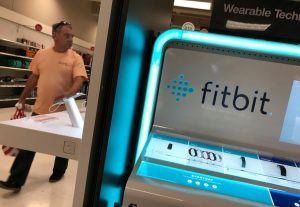
Consumer sleep technology is bringing sleep apnea into everyday health conversations. As wearable devices increasingly provide users with information about breathing patterns and nighttime oxygen levels, more people may recognize signs that warrant clinical evaluation. The American Academy of Sleep Medicine’s Q2 2026 report describes a broader integration of consumer technology with sleep-care pathways, including wearable data, virtual services, and formal clinical education. For patients, that growing visibility can turn an unfamiliar nighttime problem into a health question they are prepared to discuss with a clinician.
Greater awareness also brings attention to the practical realities of treatment. CPAP remains an important and effective therapy for obstructive sleep apnea, although adherence can present a substantial challenge. A review published through the National Center for Biotechnology Information notes that nearly half of patients may discontinue CPAP within the first month, despite education. Mask discomfort, adjustment difficulties, and concerns about using equipment during sleep can influence a patient’s experience. Those realities help explain why clinicians and patients continue to consider additional therapeutic options when CPAP proves difficult to sustain.
The treatment conversation is also expanding through medication. In 2024, the FDA approved tirzepatide, marketed as Zepbound, for adults with obesity and moderate-to-severe obstructive sleep apnea, adding a pharmaceutical option to the clinical toolkit. That development has broadened discussion about the relationship between body composition and airway obstruction. At the same time, sleep apnea can involve anatomical factors that occur across a wide range of body types, creating a need for individualized evaluation before selecting treatment.
Surgical technologies have added another dimension to that expanding landscape. Hypoglossal nerve stimulation, including implanted systems, demonstrates how treatment can target airway function through an implanted device. For some patients, that may represent an appropriate medical option. Others may prefer therapies that avoid an implanted device or surgery. As awareness grows across treatment categories, the central question increasingly becomes which therapy aligns with the patient’s anatomy, preferences, tolerance, and clinical circumstances.
That broader shift is familiar to Dr. Steven Wilk, president of Denver Sleep Apnea Center and a specialist in dental sleep medicine and orofacial pain. After more than four decades in healthcare and extensive continuing education, Dr. Wilk argues that sleep apnea deserves a more individualized clinical conversation.
“Sleep apnea is not a single problem with a single cause,” he says. “It’s important that we understand the factors contributing to airway obstruction before selecting therapy.” His practice reflects that philosophy through non-surgical options such as oral appliance therapy and home sleep testing.
For Dr. Wilk, one important misconception involves who can develop sleep apnea. “A narrow airway can create significant obstruction even in someone who is lean, physically active, or has a low BMI. Other patients may have airway changes associated with excess tissue, including tissue around the tongue,” he explains. Dr. Wilk adds that symptoms can extend well beyond loud snoring, with patients reporting fatigue, headaches, impaired concentration, and brain fog. He stresses that the wider health implications deserve attention as well, with untreated obstructive sleep apnea associated with cardiovascular concerns, daytime sedation, and elevated motor-vehicle accident risk.
These differences help explain the interest in non-surgical therapies. Oral appliance therapy can reposition the jaw and help maintain airway space during sleep, making it a potential option for patients whose anatomy and clinical profile fit the treatment. Dr. Wilk also points to emerging light-based therapy as an area of interest for selected patients, particularly those whose airway obstruction may be influenced by excess tongue tissue and higher BMI. He views the technology as part of a broader effort to expand treatment choices, with patient selection remaining an important consideration.
Education will play an important role as the treatment landscape expands. Dr. Wilk observes that physicians receive limited formal sleep-medicine training during medical education, which can leave clinicians with less exposure to options such as oral appliances and newer therapies. Meanwhile, patients are arriving with more information from smartwatches, health applications, and online resources. The AASM report also points to growing momentum behind home-based sleep testing and remote monitoring, including new diagnostic technologies and substantial consumer interest in at-home screening.
The next phase of sleep medicine may be defined by a broader treatment toolkit. Medication, oral appliances, light-based technologies, CPAP, and surgical interventions each occupy different places within that landscape, while future combination therapies could add further possibilities. Dr. Wilk’s central observation is that patients benefit when they understand those choices and the reasons a particular therapy may fit their circumstances. “The goal is to give patients a treatment they can realistically live with,” he remarks.
As sleep apnea becomes more visible through consumer technology and public awareness, diagnosis is moving closer to everyday health management. That shift creates an opportunity for patients and clinicians to discuss sleep apnea with greater attention to individual anatomy, preferences, and treatment experience.
The broader evolution of sleep medicine may ultimately depend on that expanded conversation. Greater education, accessible diagnostics, and a wider range of therapies can give clinicians more ways to match treatment to the person sitting in front of them, while helping patients participate more fully in decisions about their sleep health.
Sleep apnea care is entering a more personalized era
#Sleep #apnea #care #entering #personalized #era