Airports are not ready for the drone era, new global study warns
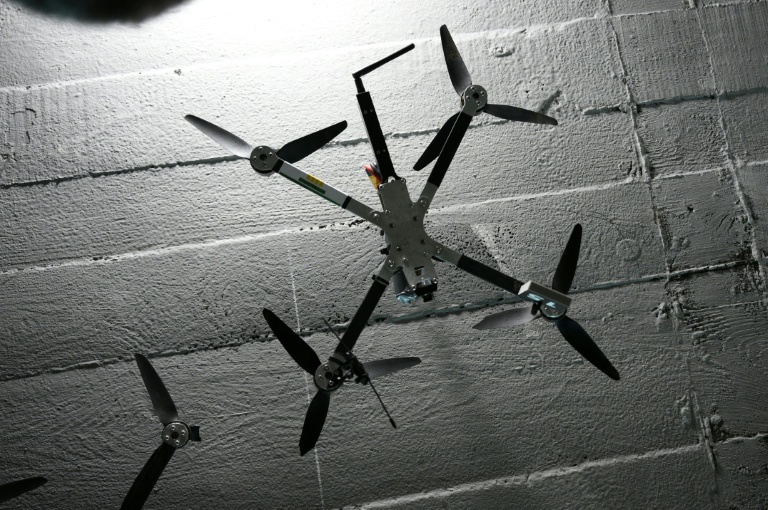
Drones have rapidly evolved from hobbyist gadgets into indispensable tools used across industries ranging from construction and agriculture to emergency response and logistics. Yet the same technology that delivers economic benefits is also creating a growing security headache for airports, ports, prisons, and other critical infrastructure operators.
A new report from counter-drone technology company DroneShield suggests that many organizations remain unprepared to deal with unauthorized drone activity, despite widespread recognition that the threat is real. The study, Airspace Under Pressure: A Global Assessment of Counter-UAS Readiness Across Airports and Critical Infrastructure, paints a concerning picture of capability gaps, regulatory constraints, and insufficient planning across some of the world’s most sensitive facilities. The findings indicate that the challenge is no longer recognising the threat. Instead, the issue is whether organizations possess the tools, authority, and procedures necessary to respond effectively when a drone incident occurs.
A growing problem for critical infrastructure
The DroneShield research draws on responses from 23 organizations operating airports, aviation authorities, correctional facilities, port infrastructure, and other critical assets spanning North America, Europe, Africa, Asia-Pacific, and the Middle East. The survey reflects a significant shift in thinking. Only a few years ago, many organizations viewed rogue drones as a largely theoretical concern. Today, unauthorised drone activity is increasingly regarded as a genuine operational risk capable of disrupting transport networks, threatening public safety, and compromising security-sensitive environments.
Recent years have seen numerous examples of airports temporarily suspending operations due to drone sightings, while prisons worldwide continue to struggle with drones used to deliver contraband. Energy facilities, military installations, and ports have also become increasingly concerned about aerial surveillance and potential sabotage. As drone technology becomes cheaper, more capable, and more widely available, the frequency of such incidents is expected to increase.
Perhaps the most striking result from the study is the extent of detection deficiencies. According to the survey, 70 percent of respondents identified detection capability gaps as a major barrier to effective counter-drone operations. At first glance, detecting a drone may seem straightforward. However, small unmanned aircraft can be extremely difficult to identify reliably. Traditional radar systems were designed primarily for larger aircraft and may struggle to distinguish drones from birds, weather interference, or other objects.
Modern counter-UAS systems increasingly rely on combinations of radar, radio-frequency analysis, acoustic monitoring, electro-optical sensors, and artificial intelligence to improve detection performance. Yet implementing and integrating these technologies remains a challenge for many organizations. Without effective detection, operators cannot establish situational awareness, assess risk, or coordinate an appropriate response. In security terms, one cannot manage what one cannot see.
Even when operators identify a drone threat, many lack the legal authority to neutralise it. The DroneShield report found that 60 percent of surveyed organisations do not possess legal authorization to take direct mitigation action against unauthorized drones, even when safety concerns appear obvious and immediate. This finding highlights a growing regulatory dilemma. Governments have generally been cautious about granting powers to jam, disable, intercept, or physically remove drones because of concerns about air safety, privacy rights, telecommunications regulations, and liability issues.
As a result, many infrastructure operators find themselves in a difficult position. They may detect a drone, understand the risk, and possess technical options for mitigation, yet remain legally unable to deploy them. Tom Adams, Director of Public Safety at DroneShield, summarised the challenge: “The primary Counter-UAS challenge is not awareness of the threat; it is the capacity to convert awareness into authorized, coordinated, real-time action.”
The planning gap
The study’s findings are perhaps most concerning when examining preparedness. While 57 percent of respondents reported pursuing comprehensive counter-drone objectives involving awareness, detection, tracking, and response, a significant minority remain far less advanced. Specifically, 17 percent reported having no formal counter-UAS plan at all. This means some organizations could face their first serious drone incident without established procedures, escalation pathways, communication protocols, or operational frameworks.
In emergency management, preparation is often the difference between controlled response and operational chaos. Organisations lacking response plans may find themselves forced to make critical decisions in real time during an evolving incident, increasing the likelihood of confusion, delays, and poor outcomes. To better understand preparedness levels, DroneShield developed a readiness maturity framework that categorizes operators according to their objectives and capabilities.
Most respondents fell into what the report describes as either “Prepared” or “Partial” categories. The Prepared group consisted largely of larger airports and critical infrastructure operators that have invested in counter-drone systems and established formal frameworks. Nevertheless, capability gaps remain even among these organizations. The Partial category represented organizations that have developed plans but lack the operational capabilities necessary to fully execute them. These entities face a particular risk because expectations exceed practical readiness. Most concerning is the “Exposed” category, where organizations possess neither robust capabilities nor formalized response strategies. These operators may be particularly vulnerable to disruptive drone events.
Technology alone is not enough
The report ultimately challenges a common assumption within the security industry: that purchasing advanced technology automatically solves emerging threats. Instead, the findings suggest that successful counter-drone programs require a combination of technology, policy, regulation, training, and operational integration. Detection systems are valuable, but only if operators know how to use them effectively and possess authority to act on the information they provide. The growing sophistication of drones means that security planning must evolve just as rapidly.
Airports are not ready for the drone era, new global study warns
#Airports #ready #drone #era #global #study #warns