Targeting childhood cancer with new genomics-led programme
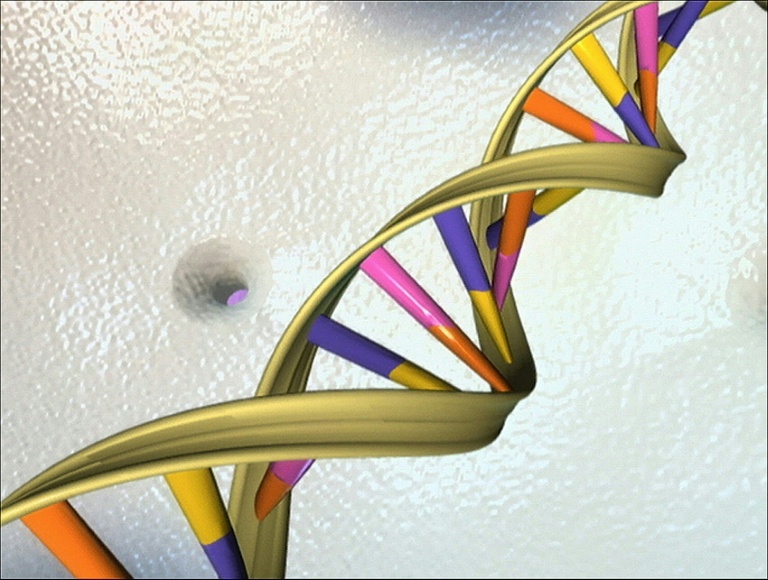
Childhood cancer survival rates have improved considerably over recent decades, yet for many young patients the outlook remains far from secure. Hard-to-treat malignancies persist, and even when therapies are successful, they can come with lifelong consequences. Against this backdrop, the University of Oxford has launched a new initiative aimed at accelerating the development of safer, more effective treatments.
The university has appointed Professor Isidro Cortés-Ciriano as its first Little Princess Trust Professor of Paediatric Oncology, a move designed to integrate cutting-edge genomics, data science and clinical research into a unified effort. Backed by the UK charity the Little Princess Trust, the programme seeks to address what remains one of medicine’s most difficult challenges: improving outcomes for children with cancer.
A shift towards precision paediatric oncology
The new role reflects a growing shift in oncology: moving from broadly acting therapies towards precision medicine, where treatments are tailored to the genetic and molecular characteristics of each tumour.
Cortés-Ciriano, previously based at the European Bioinformatics Institute, has built a reputation for applying computational biology to cancer genomics. His work focuses on decoding the mutational processes that drive tumour development, knowledge that can be used to identify new drug targets and more personalised therapies.
Oxford offers a substantial platform for this approach. More than 900 cancer researchers are spread across disciplines including genetics, immunology, drug discovery and clinical trials. By linking these areas, the new programme aims to shorten the pathway from discovery to patient treatment. The emphasis is not only on effectiveness, but also on reducing toxicity, a critical issue in paediatric oncology where developing bodies are particularly vulnerable to the side effects of chemotherapy and radiation.
The initiative has been made possible through support from the Little Princess Trust, a UK charity better known for providing real-hair wigs to children experiencing hair loss due to cancer treatment. In recent years, however, the organisation has become a significant funder of childhood cancer research.
This model reflects a broader trend in biomedical science, where philanthropic funding is increasingly enabling high-risk, high-reward research programmes that might struggle to gain traditional funding. Such partnerships can accelerate innovation, particularly in rare diseases where commercial incentives may be limited. The collaboration also involves the Oxford-Harrington Rare Disease Centre, which focuses on translating early discoveries into therapies.
Persistent challenges in childhood cancer
While survival rates for some childhood cancers now exceed 80 per cent, progress has been uneven. Certain malignancies, including high-risk neuroblastoma and some brain tumours remain difficult to treat. Even when survival is achieved, the long-term burden can be substantial. Many survivors experience organ damage and developmental issues. This underscores the need for less toxic, more targeted therapies, an area where genomic approaches are expected to play a central role.
Canadian perspective: Strengths in genomics and paediatric trials
Canada offers an instructive comparison. The country has built a strong reputation in paediatric oncology research and genomics, with institutions such as The Hospital for Sick Children (SickKids) in Toronto and the BC Cancer Agency leading large-scale sequencing initiatives. Programmes such as the Personalized OncoGenomics initiative in British Columbia aim to match patients to therapies based on tumour genetic profiles. Meanwhile, Canada’s participation in international consortia, including paediatric brain tumour networks, highlights the increasingly global nature of this research.
Canada also faces similar challenges to the UK, such as small patient populations for rare childhood cancers, the need for collaborative, multi-centre clinical trials, and balancing innovation with equitable access to new therapies. In this context, Oxford’s new programme could offer opportunities for transatlantic collaboration, particularly in areas such as genomic data sharing and trial design.
A defining feature of modern oncology is the integration of data science and bioinformatics. Childhood cancers often have unique genetic signatures, and identifying actionable mutations requires sophisticated computational tools. The ultimate goal is a faster, more precise drug discovery pipeline, where insights from genomic data can be translated into therapies in years rather than decades.
Despite progress, one of the central challenges in cancer research is not making discoveries, but ensuring they reach patients. Translational medicine, the bridging laboratory findings and clinical application remains a bottleneck. The expectation is that closer coordination will enable new treatments to enter clinical trials more rapidly, particularly for rare childhood cancers where time is critical.
Targeting childhood cancer with new genomics-led programme
#Targeting #childhood #cancer #genomicsled #programme