Drake Anthony Recreates the Mechanical Bulb First Seen in 1675
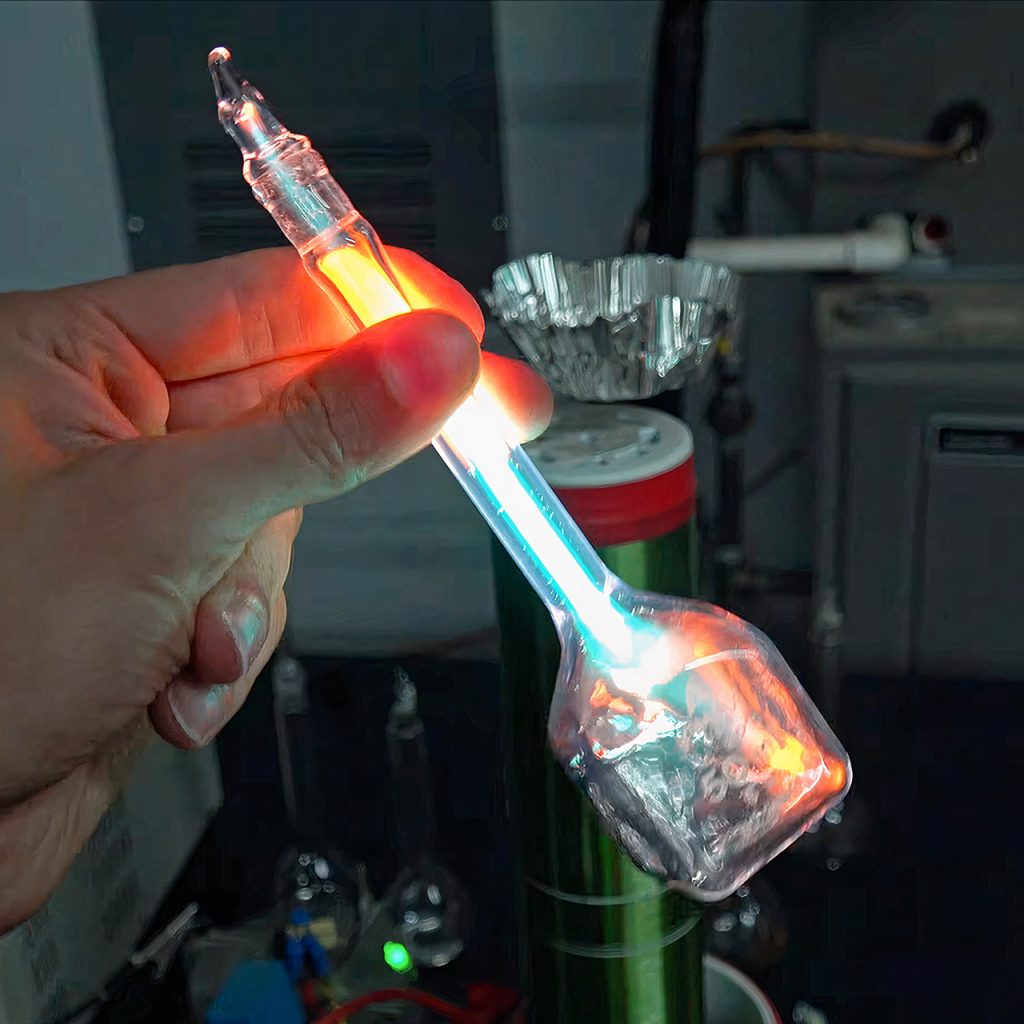
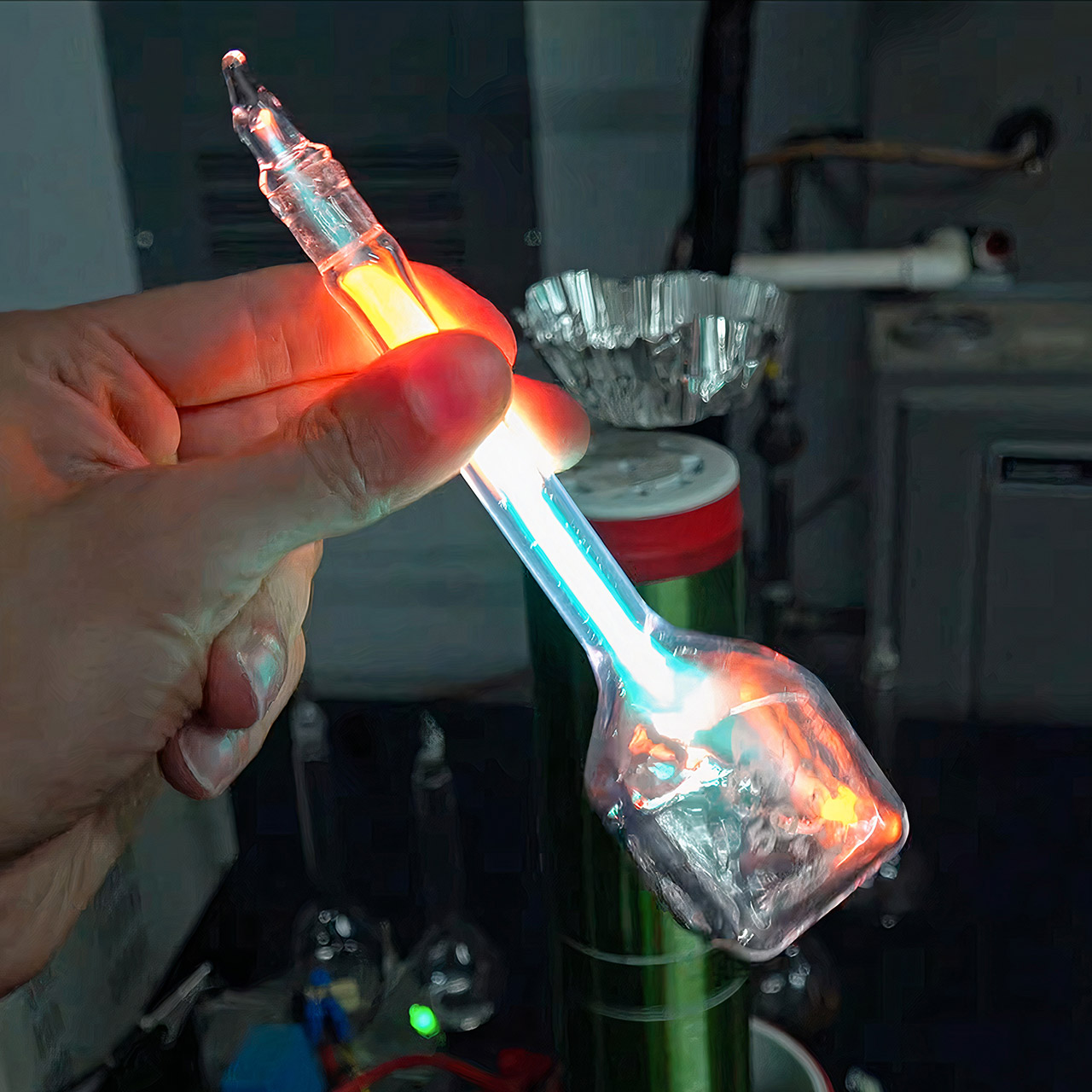
Drake Anthony spends a lot of time in the workshop, continually pushing the boundaries of what you can produce with basic materials. His recent video on the styro pyro 2 channel attempts to replicate a phenomenon discovered over three centuries ago. The ultimate result is a glass flask that emits visible light when shaken, eliminating the need for batteries, wiring, or other external power sources.
The story begins in 1675, with French astronomer Jean Picard out on the streets of Paris on a dark, clear night. He’s carrying a mercury barometer, and as he moves, a small glow begins to form in the glass tube above it. This light appears only when he stirs the mercury and exposes some new glass for it to play on. The whole thing is a strange sight, which he describes to several of his scientific friends at the time and ends up giving the nickname ‘barometric light’.

YIERBLUE Rechargeable Spotlight Flashlight with 2000000 High Lumen LED, IP67 Waterproof Long Running Spot…
- EXTRA BRIGHT HEAVY DUTY FLASHLIGHT: Its brightness is several times that of the small model.This extra bright LED spotlight casts a super bright…
- WATERPROOF & FLOATING, IMPACT RESISTANT: This spot lights outdoor handheld is IP67 waterproof and submersible up to 3ft, and even float back up to the…
- LONG TIME LIGHTING & POWER PORT: Built-in rechargeable batteries, YIERBLUE’s proprietary battery technology give you up to 9 hours lighting on lower…
It takes the scientists some time to figure out what’s going on, but friction turns out to be the key to everything. When mercury flows smoothly over a clean glass surface, it leaves a trail of electric charge that can travel through the air inside the container. When that electric charge strikes the gas molecules within, they begin to emit light, which is similar to how neon signs work, except that the energy comes from friction and contact between the two materials.
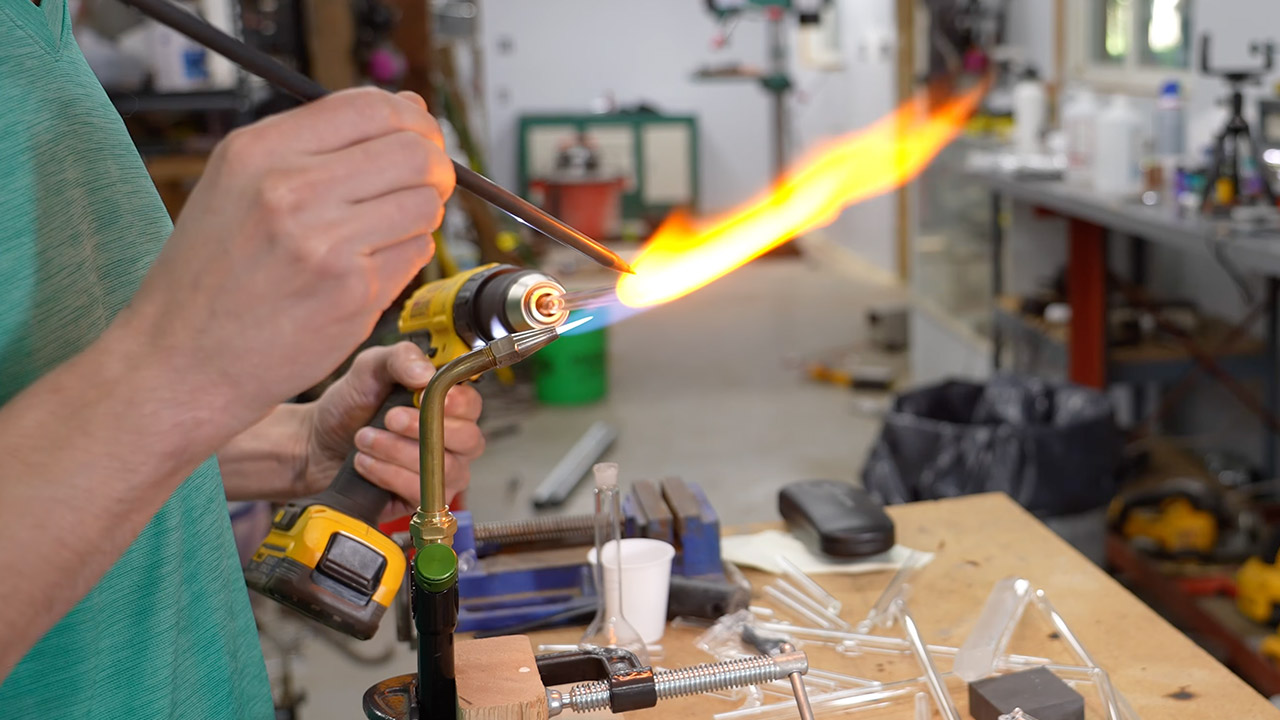
Anthony sets out on a journey to recreate this entire effect from scratch. First, he takes a round glass flask and uses a propane-oxygen flame to create a slender glass stem for it. Glassblowing was a completely new ability for him, and things became even more difficult because he only has limited depth vision in one eye. Nonetheless, he completed it successfully. After attaching the stem, he connects the flask to a vacuum pump and gradually drops the pressure to approximately 5 millitors, leaving only a whisper of the original air inside. There was still some residual gas and mercury vapour within, which he later learned was necessary for the light to work.
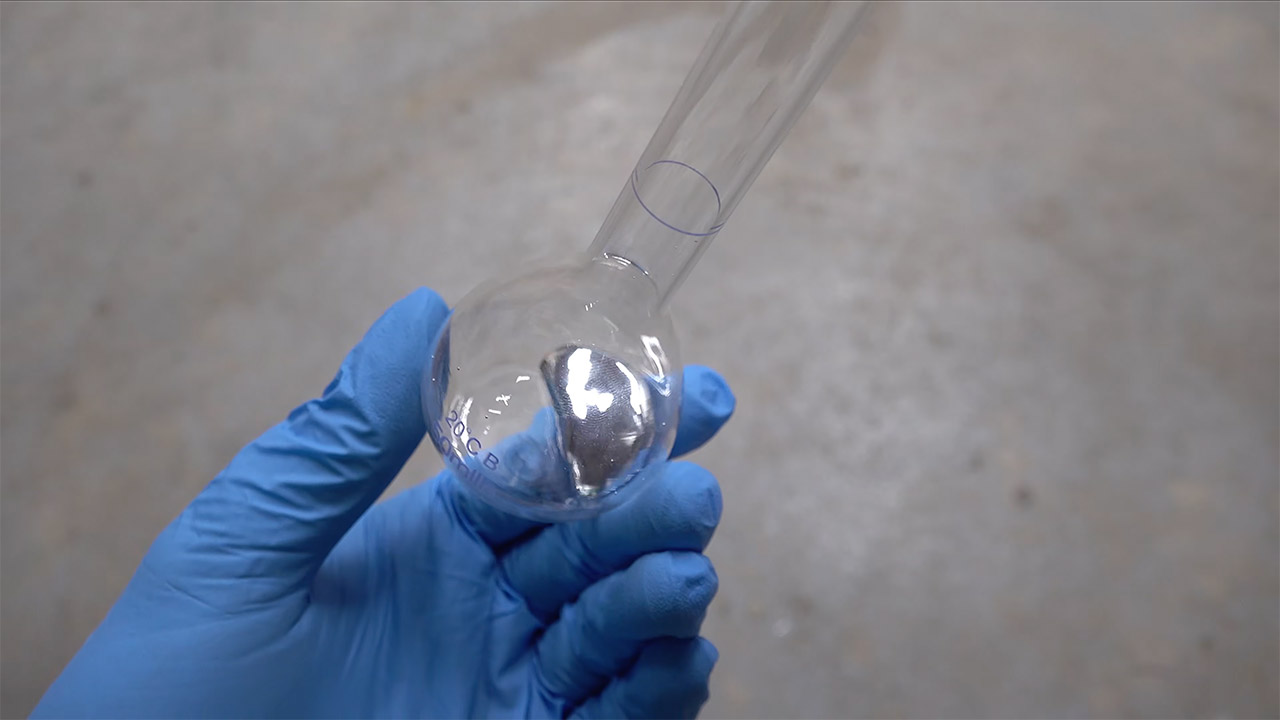
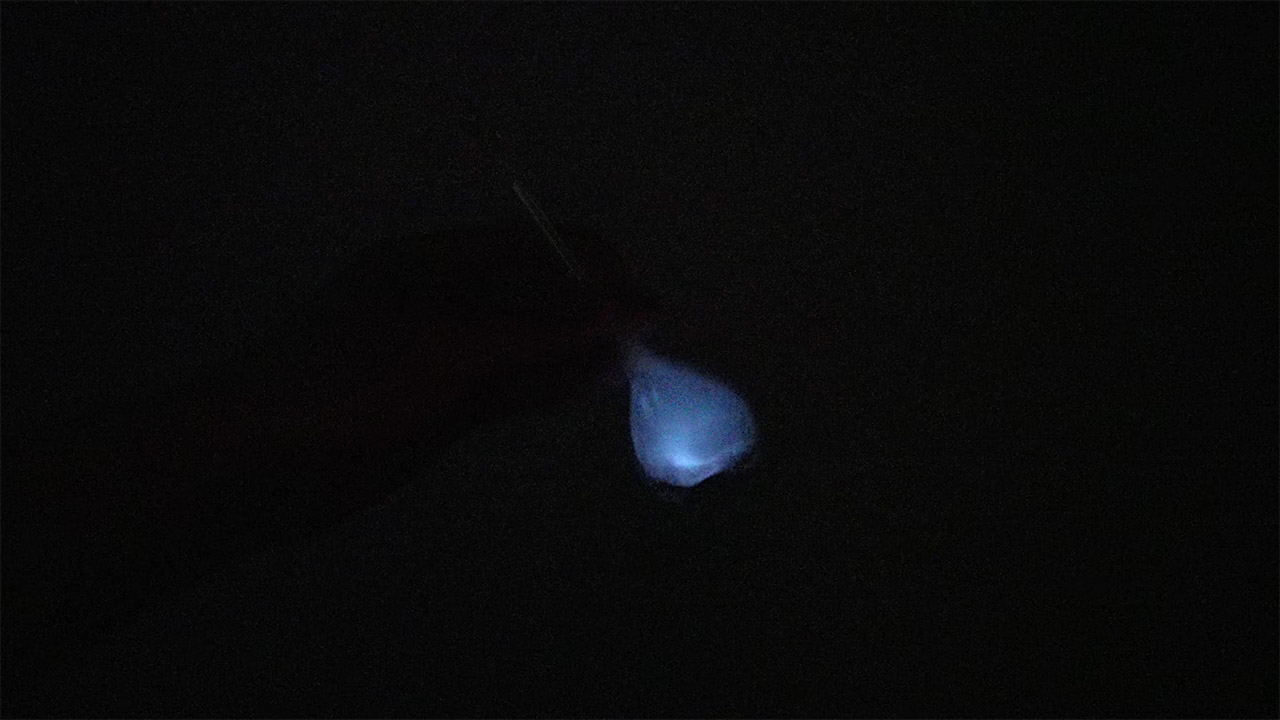
The next step is to transfer the mercury into the flask. He puts a little more in and then screws the top back on. When he initially shakes the flask in full darkness, you may see a faint blue-white glimmer. The reason it’s so faint is that the mercury he’s using isn’t pure, which limits the amount of charge that accumulates when the mercury passes over the glass. Even so, the light illuminates whenever he shakes the device, which is a pretty good indicator given that the technology is nearly 350 years old.
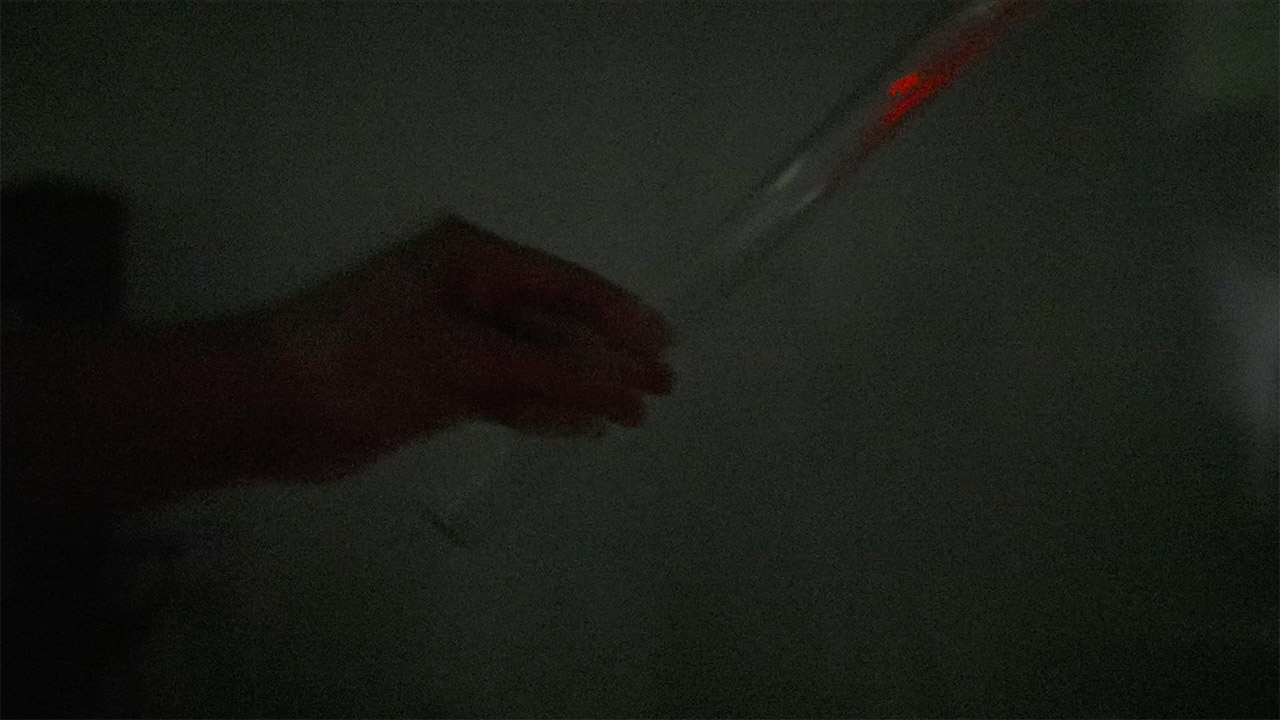
Anthony wanted to brighten up his own light display, so he started experimenting with adding little amounts of noble gases to the flask after he had the vacuum running. It was a feeling that starting with neon at around 100 torr would be a good place to start, and boy was it correct, as shaking the flask generated a really dazzling light that appeared almost electric and could be seen in regular room lighting. The neon seemed to make the entire process more easier from beginning to end, getting the discharge started and maintaining it flowing.
The other experiments he carried out in identical flasks were quite interesting. Adding copper pellets appeared to work just as well as glass in producing a decent light through friction, but then he tossed in a few of chunks of Teflon, which resulted in a few little sparks. The Galinstan experiment was similarly a failure, as he attempted to use a liquid metal alloy instead of mercury, but it stuck to the flask’s glass walls, making it nearly difficult to generate a sufficient charge. As expected, employing a straight tube was far less effective than using a curved or bent one since the gas would simply break contact and re-form whenever it encountered an edge, giving him even more possibilities to build a charge.
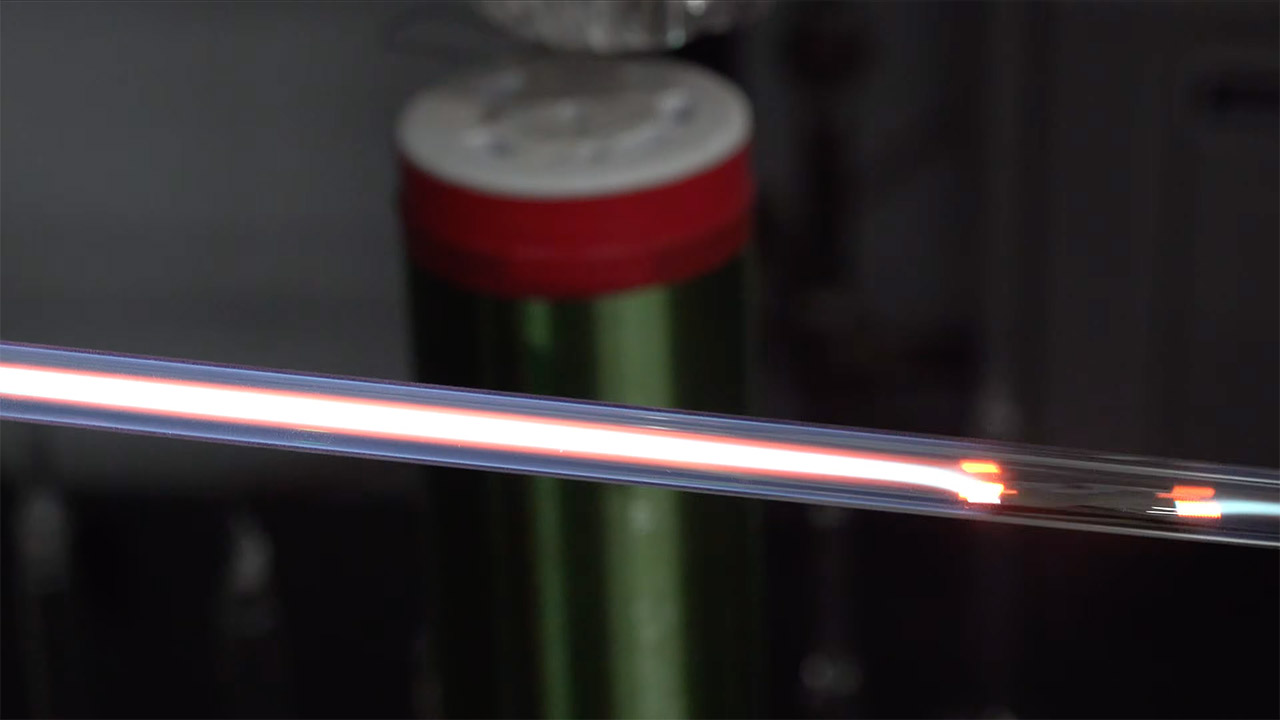
Anthony decided to add a Tesla coil to the mix just for fun, to give the gas within the flask a little extra kick from the outside. And let me tell you, the results were just plain cool, as the coil supplied a little more juice to the previously charged region, resulting in some amazing plasma displays with nice pinching effects and distinct color zones.
Drake Anthony Recreates the Mechanical Bulb First Seen in 1675
#Drake #Anthony #Recreates #Mechanical #Bulb