NASA’s Curiosity Accidentally Crushed a Rock and Found Pure Sulfur Crystals on Mars
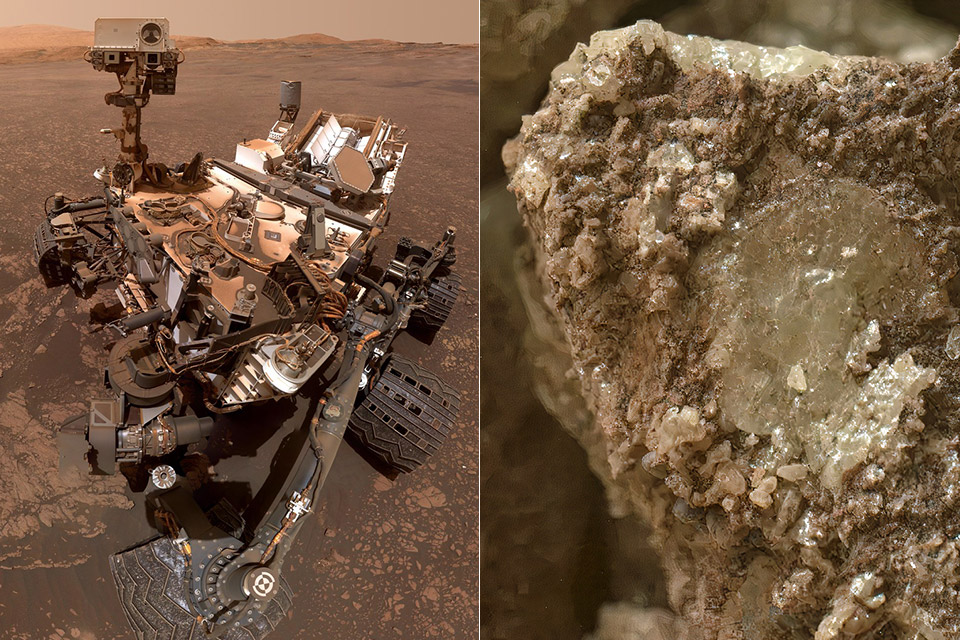
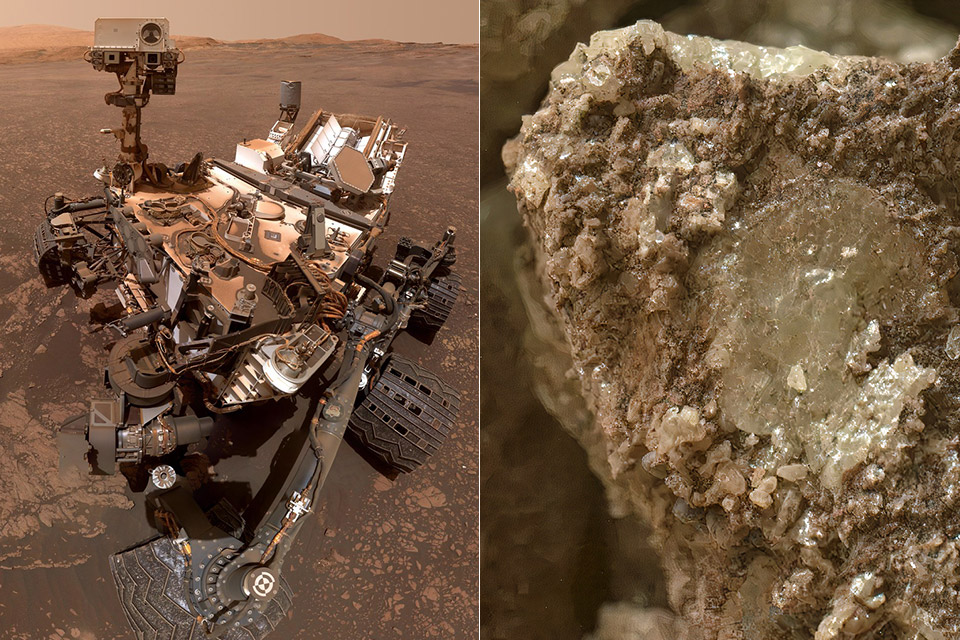
Curiosity had been working its way down the Gediz Vallis channel on the flank of Mount Sharp for months. The rover’s wheels left fresh tracks in the loose soil and scattered stones as it hunted for clues about the planet’s ancient past. On May 30, 2024, during the 4,200th Martian day of the mission, one of those wheels rolled over a rock that looked no different from thousands of others nearby. The one-ton machine pressed down, and the stone gave way with a quiet crack that no one on Earth witnessed in real time.
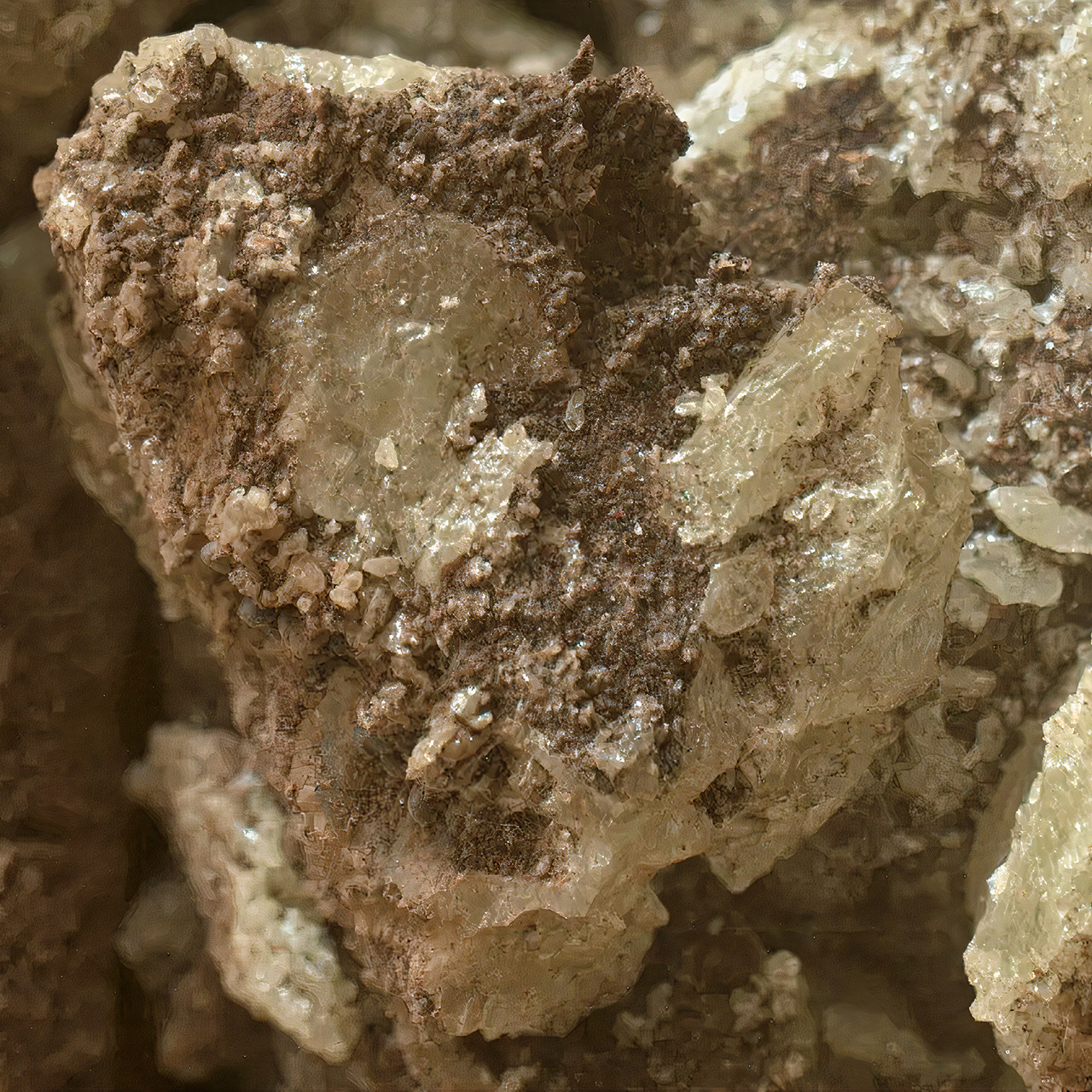
Several days passed before the team back home saw the broken fragments laying in the tire treads. They sent some commands, and the robotic arm moved forward. On June 4th, 2024, the Mars Hand Lens Imager situated on the end of that arm went up close and captured a photograph that is now key to this story. The camera photographed a tangled scattering of rock fragments, their insides clearly visible. Bright yellow crystals reflect light off the duller, reddish brown surfaces of the shattered rock and the dust that surrounds them. You can almost see where the rock has split open, with those crystals looking jagged and new as if someone had just prised the stone open to unveil what was hidden inside.

LEGO Technic NASA Mars Rover Perseverance Building Toys – STEM Model Kit for Boys & Girls, Ages 10+ Years…
- Feed a passion for science and technology – Kids can learn more about the challenges of space exploration with this LEGO Technic NASA Mars Rover…
- Conduct a test flight – This advanced building kit for kids ages 10 and up includes a buildable toy version of NASA’s Ingenuity helicopter, which…
- AR brings the mission to life – The accompanying augmented reality app experience lets kids dive into the details of the rover and its mission
Curiosity’s Alpha Particle X-ray Spectrometer then validated what your eye had already detected. The yellow specks are pure sulfur, as opposed to the typical sulfur mixed up with oxygen or other components seen on the Martian surface. Previous missions had discovered sulphur trapped in salts and minerals left over after ancient water evaporated. This discovery was the first time a surface mission had discovered sulphur on its own, in the form of bright, shining pieces.
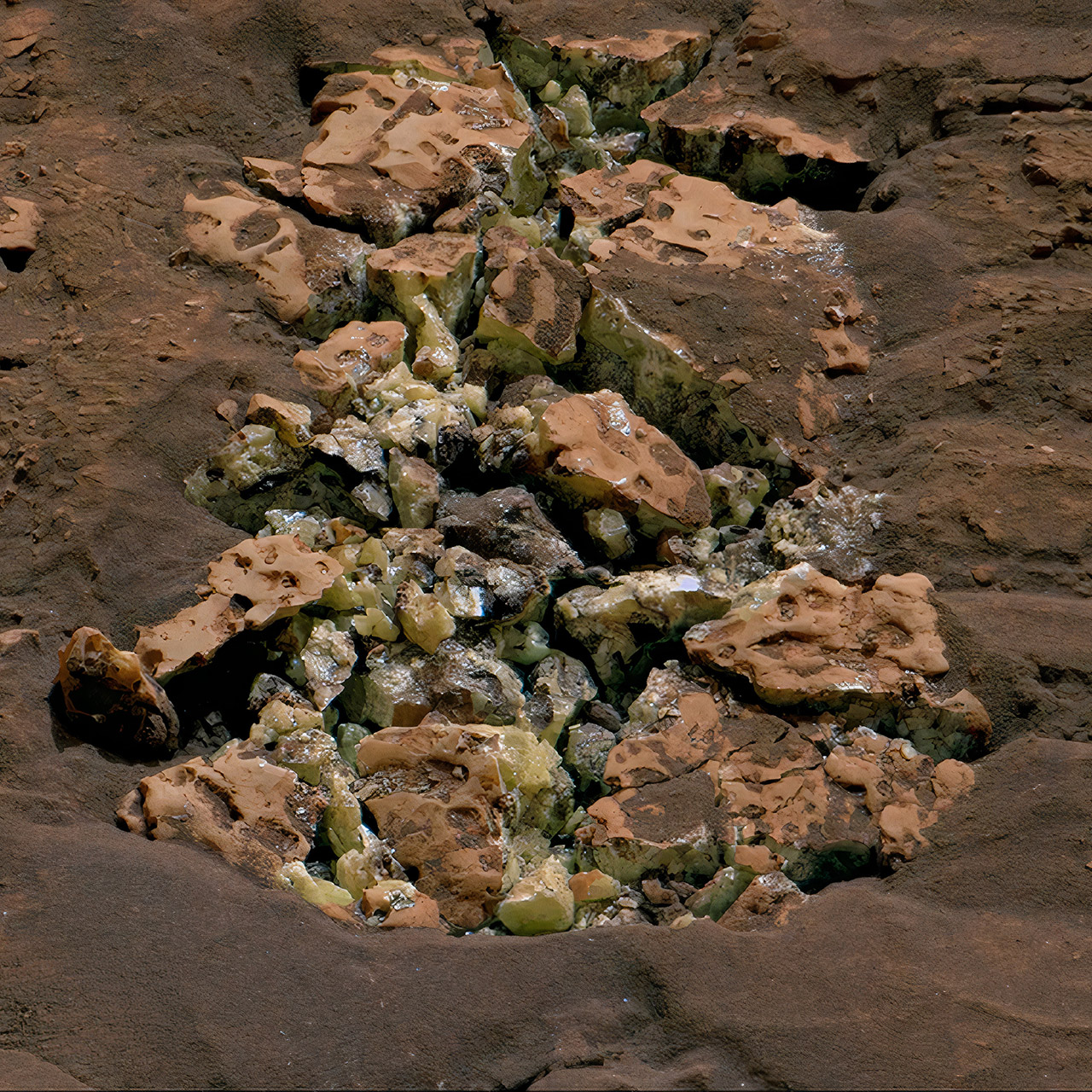
The rock itself was named Convict Lake after a small area in California’s Sierra Nevada. From a distance, the stones in that location appeared pale and uninteresting, but up close, they revealed a completely different story. The crystals grew in settings that do not correspond to the typical sulphate-rich environment Curiosity has been mapping in the channel. On Earth, pure sulphur is typically found around volcanoes or hot springs, where heat and chemistry combine to extract it from its regular mixtures. There are no definite traces of either of those events occurring at this specific location on Mars.
Scientists have been batting around a few theories to explain how the sulfur got there. One idea dates back around three billion years, when lava deep down may have produced fluids or gases that transported sulphur to the surface and allowed it to crystallize. Another option is that a later impact caused enough heat to melt sulfur that was already buried in the earth, allowing it to flow a short distance before cooling and hardening into the blocks that the rover eventually crushed. Curiosity eventually discovered several more pale stones spread throughout the same tiny area, and the rover simply halted to take some more photos with its mast camera, returning to take one last look a few months later before continuing on.
NASA’s Curiosity Accidentally Crushed a Rock and Found Pure Sulfur Crystals on Mars
#NASAs #Curiosity #Accidentally #Crushed #Rock #Pure #Sulfur #Crystals #Mars