Canada’s solar industry enters a new phase of growth
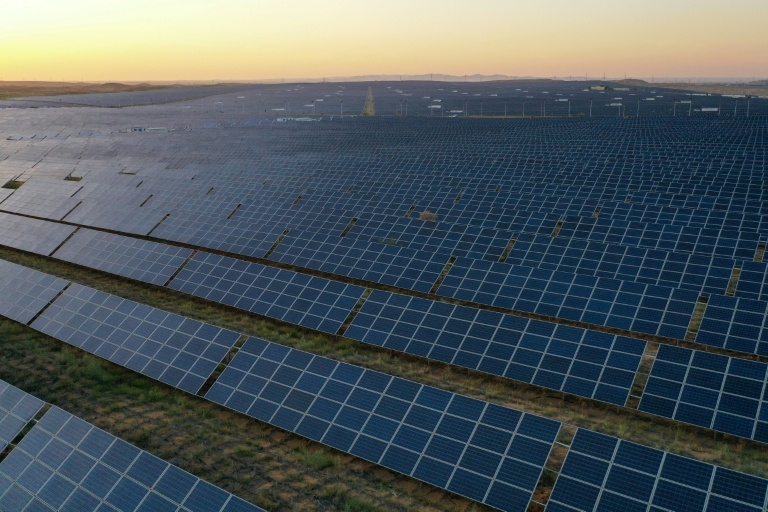
For many years, solar power occupied a relatively modest position within Canada’s energy mix, overshadowed by hydroelectricity and constrained by the perception that northern climates are unsuitable for large-scale solar deployment. Today, that narrative is changing. A combination of technological innovation, falling costs, policy support and growing commercial demand is accelerating solar adoption across multiple provinces.
The shift is occurring at a time when Canada faces increasing electricity demand driven by electrification, data centres, industrial expansion and the transition to net-zero energy systems. Solar energy is emerging as an increasingly important part of the solution.
According to the Canadian Renewable Energy Association (CanREA), Canada now has more than 5 GW of installed solar capacity as part of a broader renewable energy portfolio that includes roughly 25 GW of combined wind, solar and energy storage assets. The industry expects substantial expansion over the coming decade, with forecasts suggesting the deployment of 17–26 GW of additional solar capacity by 2035.
One notable trend is that solar development is no longer concentrated in a single region. Alberta remains a leading market, supported by strong solar resources and a competitive electricity market. However, Ontario, Quebec, British Columbia and Atlantic Canada are also increasing procurement programmes and integrating solar into long-term electricity planning.
This geographic diversification reflects growing recognition that solar can contribute to grid resilience regardless of latitude. Advances in photovoltaic efficiency, tracking systems and energy storage technologies have improved performance in colder climates, while snow reflection can even enhance energy production under certain conditions.
Behind-the-meter innovation
One of the most interesting commercial developments is the rise of distributed or “behind-the-meter” solar systems. These installations allow homes, farms, institutions and businesses to generate electricity on-site and reduce reliance on the grid. Industry data indicates strong growth in residential and commercial solar deployment, particularly in Alberta and Ontario. Rising electricity prices and improved financing mechanisms are encouraging investment by property owners looking to gain greater energy independence.
Battery storage is becoming an essential companion technology. The ability to store excess solar energy for later use improves project economics and enhances resilience during periods of grid stress. This trend mirrors developments seen across Europe and the United States, where solar-plus-storage projects have become increasingly attractive to consumers and businesses alike. This commercial opportunity extends beyond energy generation. New markets are emerging around energy management software, smart inverters, virtual power plants and grid-services platforms that allow distributed solar systems to participate in electricity markets.
The storage revolution
The next phase of Canada’s solar growth may depend as much on storage as on photovoltaic panels. CanREA reports that energy storage capacity expanded significantly in 2025, with major battery projects entering service, particularly in Ontario. More than 500 MW of grid-connected battery storage was added during the year, demonstrating growing confidence in large-scale storage technologies.
For solar developers, storage addresses one of the technology’s principal limitations: intermittency. By shifting electricity production to periods of peak demand, batteries improve revenue streams and strengthen grid reliability. This combination of solar generation and energy storage is becoming increasingly important as Canadian electricity systems prepare for higher demand stemming from electric vehicles, heat pumps and industrial electrification.
Another significant development is the growing role of Indigenous communities in renewable energy ownership and governance. CanREA reports that Canada now has more than 100 Indigenous-owned wind, solar and energy storage projects in operation. Many new procurement programmes include incentives or requirements for Indigenous participation and ownership.
This approach aligns commercial investment with community development objectives, creating local employment opportunities while supporting reconciliation efforts. It also provides developers with stronger social licence and long-term project stability. As renewable energy projects become larger and more geographically diverse, community-centred ownership models may become an increasingly important feature of Canada’s energy transition.
Manufacturing opportunities
Canada’s solar ambitions also create opportunities across manufacturing and supply chains. Canadian-headquartered companies continue to play important roles in global solar markets. For example, Ontario-based Canadian Solar remains one of the world’s largest solar technology firms and has increasingly expanded into battery energy storage systems alongside photovoltaic manufacturing.
More broadly, growing domestic demand offers opportunities for Canadian businesses involved in engineering, construction, software development, project finance, grid integration and energy analytics. While Canada is unlikely to challenge China’s dominance in solar manufacturing, the country can carve out competitive positions in higher-value technologies and services associated with clean energy deployment.
Yet, the industry is increasingly characterised by commercially viable projects, sophisticated financing structures, rapid technological improvement and integration with battery storage systems. The counter-balance is represented by permitting timelines, grid connection constraints, transmission infrastructure and regulatory complexity continue to influence project economics.
Canada’s solar industry enters a new phase of growth
#Canadas #solar #industry #enters #phase #growth