PROMISE Me the Moon, NASA Considers Sending Its Spare Nuclear Rover to the Lunar South Pole
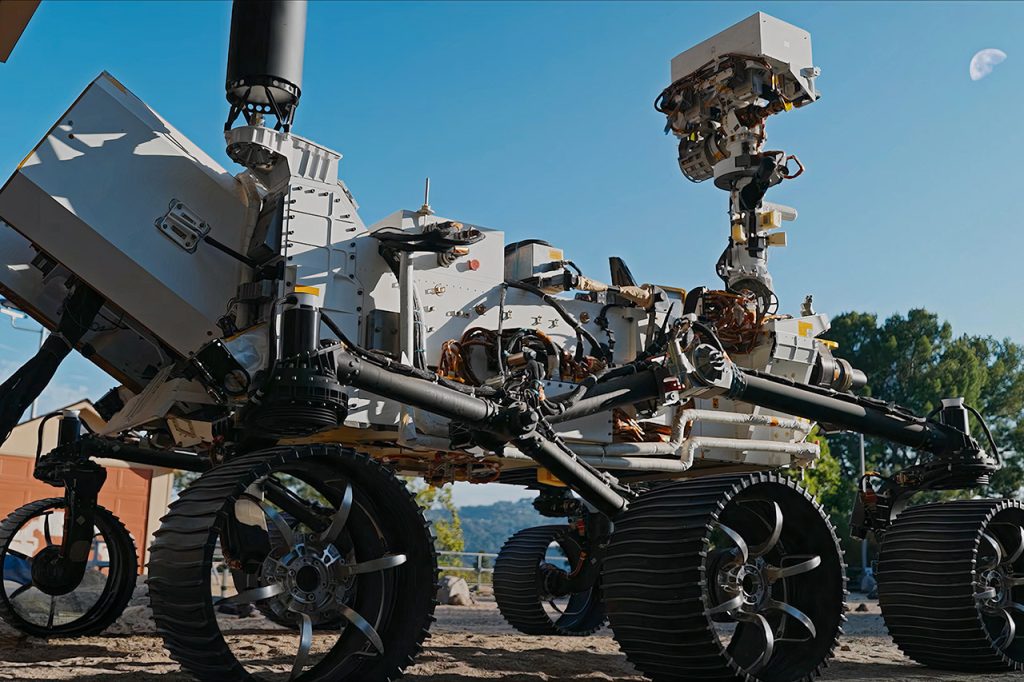
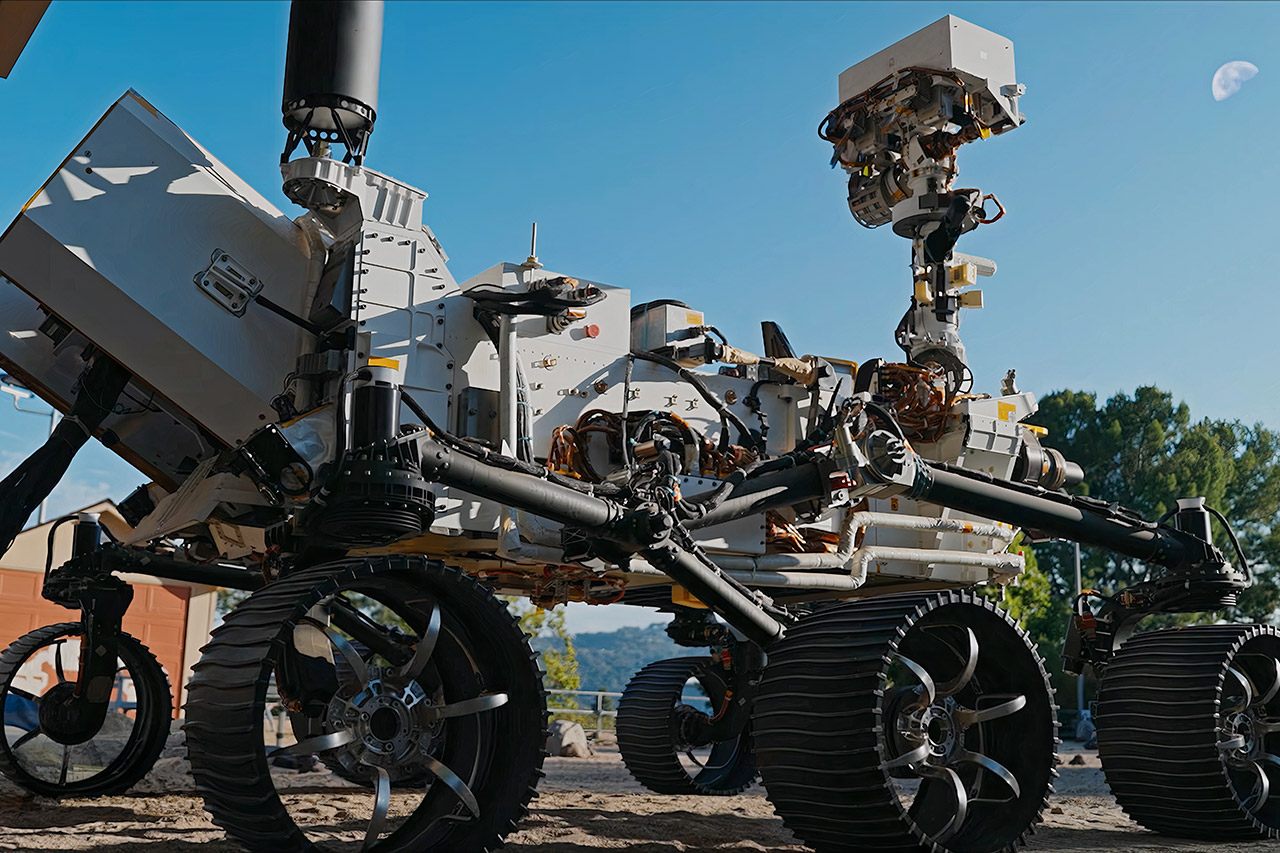
Engineers at NASA’s Jet Propulsion Laboratory built this machine years ago as a ground twin for the Perseverance rover. It sat in the Mars Yard outside Pasadena, rolling through simulated terrain while teams tested commands and fixes before beaming them to the real vehicle on another planet. No one planned for it to fly anywhere. Now that same hardware sits at the center of a serious discussion about placing a nuclear-powered rover on the Moon.
The vehicle’s name is PROMISE, which stands for Polar Rover for Observation, Mapping, and In-Situ Exploration. It started life under a previous name, OPTIMISM, as a full-scale engineering model and testbed for perseverance. Parts of the previous Curiosity testbed were also included into its systems. Exact duplicates of flight hardware provide it with proven wheels, suspension, processors, and cameras that have already withstood years of rigorous usage on Mars.
Sale

LEGO Technic NASA Apollo Lunar Roving Vehicle LRV Building Set – Craft Kits for Adults, Ages…
- Build a realistic LEGO Technic lunar rover model – This LRV building kit for adults is packed with authentic details including seats, steering…
- NASA model for adults – Enjoy a mindful project assembling all the details of the rover and equipment including the battery pack, heating and…
- A build for NASA fans – Remember the Apollo 17 mission with a display that features the lunar roving vehicle alongside 3 detailed equipment…
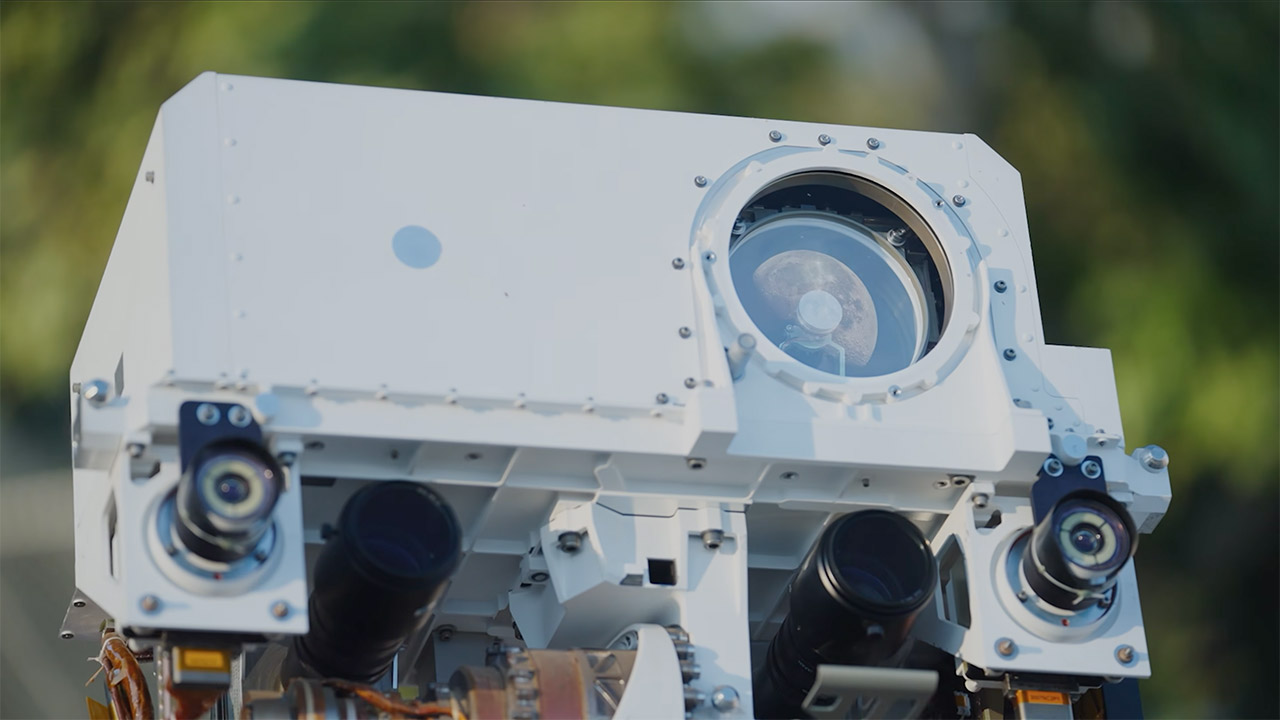
The rover is around the size of a small car and weighs about one ton. It has six wheels and the same rocker-bogie suspension that Perseverance and Curiosity used to climb steep slopes and cross broken ground. Its mast has camera systems similar to those found on Mars rovers, while an instrument arm extends for close-up work. According to NASA experts, several of these science capabilities, such as mapping resources and examining permanently shadowed regions, will need to be modified to meet lunar aims.
The real advantage is in its power system, which uses a Multi-Mission Radioisotope Thermoelectric Generator to transform the steady heat produced by decaying plutonium-238 into electricity and warmth. Unlike solar panels, this source operates during the two-week lunar night and inside craters that never get sunlight. Temperatures in those shaded areas might fall below minus 200 degrees Celsius. The generator’s output also prevents electronics and mechanisms from freezing solid, eliminating the most significant limitation that solar-powered devices confront near the south pole.
NASA’s Moon Base program manager, Carlos García-Galán, highlighted the practical benefits. With nuclear power on board, the rover can explore any terrain without waiting for daylight or relying on recharge facilities. Long drives into difficult-to-reach locations become more practical, as Curiosity and Perseverance have proved on Mars. Administrator Jared Isaacman has stated that the agency is “looking very hard right now about launching Promise to the Moon” because the hardware is already available and can give results faster than starting a new project from scratch.
PROMISE Me the Moon, NASA Considers Sending Its Spare Nuclear Rover to the Lunar South Pole
#PROMISE #Moon #NASA #Considers #Sending #Spare #Nuclear #Rover #Lunar #South #Pole