Canada and genetically modified crops: Innovation, adoption, and the public divide
Genetically modified (GM) crops and newer gene-edited varieties are reshaping agriculture globally and Canada stands among the most progressive adopters. With decades of experience in agricultural biotechnology and a regulatory framework that has recently evolved to accommodate gene editing, Canada provides a useful lens through which to assess both the promise and controversy of GM technologies.
Canada’s biotechnology sector is increasingly defined by next-generation gene-editing technologies, especially CRISPR-Cas9 (clustered regularly interspaced short palindromic repeats). Unlike traditional GM methods that introduce foreign DNA, gene editing enables precise modification of existing genes, often resulting in plants that are indistinguishable from conventionally bred varieties.
READ MORE: Is CRISPR technology set to change biological science?
One notable breakthrough occurred in 2025, when researchers at McGill University successfully applied CRISPR to oats, a crop with a complex genome previously resistant to gene editing. The work enables targeted changes to traits such as flowering time, yield, and nutritional content, offering a pathway to crops better adapted to climate variability.
More broadly, gene editing is becoming central to plant breeding in Canada, allowing faster and more precise development of traits such as drought resistance, disease tolerance, and improved nutritional quality.
At the commercial end, innovation is moving beyond commodity crops. There are early-stage developments in gene-edited fruits and vegetables (e.g. salad greens, strawberries), modified oils such as omega‑3 enriched canola, and non-browning apples and other ‘enhanced’ produce. While only a small number of GM whole foods are currently available in Canada, gene editing is expected to significantly expand this pipeline.
The scientific trajectory is therefore shifting from first-generation GM crops (input traits like herbicide tolerance) toward second-generation traits focused on climate resilience, nutritional enhancement, and reduced waste.
How farmers are using GM technology
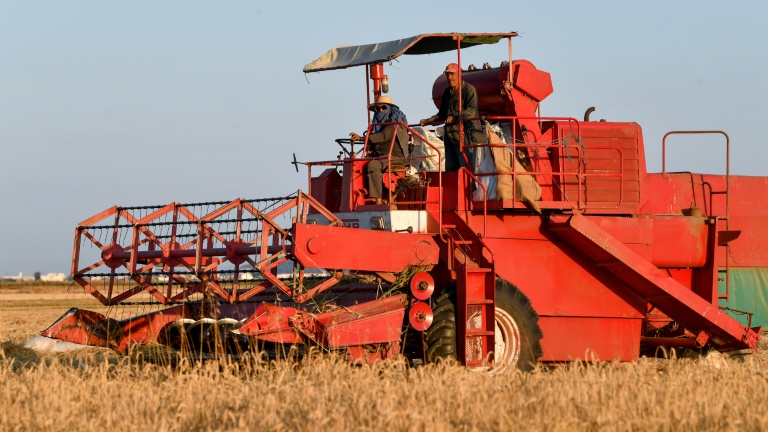
Canadian farmers have been using GM crops for nearly three decades. The main crops include:
- Canola
- Corn (maize)
- Soybeans
- Sugar beet
- Alfalfa
Among these, canola is particularly significant: approximately 95% of Canadian canola is genetically engineered, mainly for herbicide tolerance. In practice, farmers use GM crops to improve productivity. In particular, herbicide-tolerant crops allow targeted weed control, improving yields and reducing labour costs.
GM crops have additionally helped farmers adopt no-till or reduced-till farming, reducing soil erosion and fuel use while improving soil health. Newer gene-edited crops are further designed to withstand drought, temperature extremes, and pest pressure. Reduced tillage and more targeted chemical use have lowered greenhouse gas emissions and resource consumption.
Regulatory framework
Canada has developed one of the more innovation-friendly regulatory systems for plant biotechnology. A defining feature is its trait-based approach. Rather than regulating crops based solely on how they are produced, Canadian authorities focus on whether the plant exhibits a “novel trait.”
This distinction became especially important with gene editing. Under updated guidance crops developed using gene editing without foreign DNA may be treated like conventionally bred crops. It also stands that only plants with novel traits posing potential risk require full regulatory assessment. Moreover, many gene-edited crops do not require pre-market approval or labelling.
Government policy statements emphasise that plant breeding innovations support food security, climate adaptation, and sustainability. The state has also adopted the policy that gene editing does not inherently pose greater risk than conventional breeding. In 2024, the Canadian Food Inspection Agency (CFIA) and Health Canada finalised a regulatory pathway confirming that gene-edited crops can be assessed in the same way as traditional varieties, provided they do not introduce novel risks. However, this has also drawn criticism, particularly around transparency and the absence of mandatory labelling.
Special considerations
Despite its advantages, GM technology raises several important considerations. The first is that while GM crops are extensively evaluated for safety, critics note potential unintended genetic effects and impacts on biodiversity. One practical concern is cross-contamination in relation to organic farming. Pollen flow and seed mixing can affect organic certification, particularly for crops like canola where genetic traits have spread widely.
A second area is that GM and gene-edited seeds are typically patented. Consequently, farmers may face restrictions on saving seed and increased dependence on seed companies.
Third comes public opinion, which in Canada, remains mixed and nuanced. There is generally high trust in the food safety system, but this does not necessarily translate into confidence in GM foods themselves. Around 52% of Canadians report uncertainty about consuming genetically engineered foods. The same survey finds that consumers tend to be more comfortable with plant-based GM foods and less comfortable with animal-based genetic modification.
Canada and genetically modified crops: Innovation, adoption, and the public divide
#Canada #genetically #modified #crops #Innovation #adoption #public #divide