Q&A: Aging well: Oil wells need imaging technology just like people
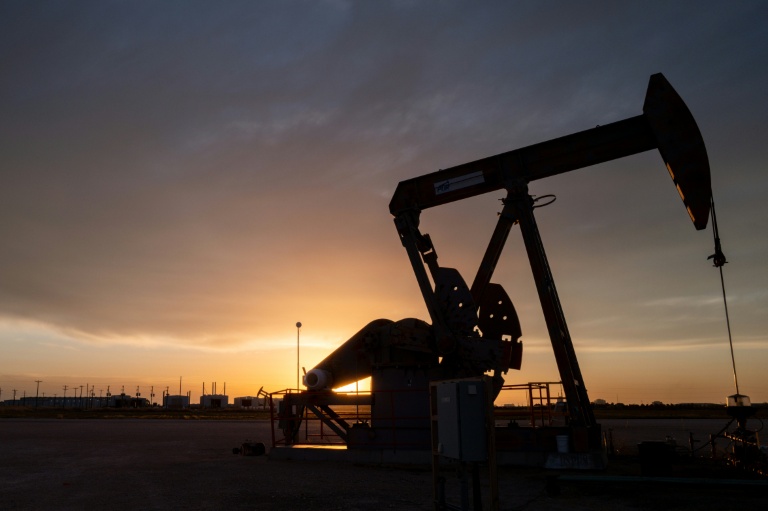
The world’s energy infrastructure is aging. While attention often focuses on new drilling projects, many of the wells helping power the economy today were drilled decades ago.
Industry experts estimate that the average age of oil and gas wells has increased significantly over the past two decades, creating new challenges related to safety, reliability, and production performance. At the same time, oil production remains near record levels, highlighting the importance of getting the most value from existing assets and maintaining operational integrity.
As operators look for ways to increase production without the cost and complexity of drilling new wells, many are evaluating whether idle, underperforming, or aging wells can be safely returned to service. The challenge is that much of a well’s condition cannot be seen from the surface. It turns out they need a kind of ‘MRI’ to evaluate the underground integrity of such wells.
Digital Journal sat down with Guillaume Borrel, CEO of GOWell, a global provider of well logging and integrity evaluation technologies, to help us understand what’s going on inside these older oil wells.
Digital Journal: Why are aging oil and gas wells becoming such an important topic today?
Guillaume Borrel: Many of the world’s producing wells were drilled years or even decades ago. Over time, every well experiences wear and tear. Steel corrodes, cement barriers degrade, and reservoir conditions can change. At the same time, energy demand remains strong and operators are under pressure to maximize the value of existing assets. Rather than drilling new wells, many companies are first looking at whether older wells can continue producing safely or whether idle wells can be brought back online. That creates a growing need for accurate information about the condition of those assets before major decisions are made.
DJ: Why can’t operators simply restart a well that has been sitting idle?
Borrel: A well may appear fine on the surface while significant issues exist underground. When a well has been inactive for months or years, operators often have limited visibility into the condition of the casing, cement, tubing, or surrounding formation. Restarting production without understanding those conditions introduces safety, environmental, and operational risks. Before investing in a restart program, operators need confidence that the well can safely handle new production activity. That requires reliable subsurface diagnostics. That’s where GOWell comes in.
DJ: You’ve described GOWell as an “MRI for the subsurface.” What does that mean?
Borrel: Most people understand the difference medical imaging has made in the healthcare industry. A doctor would never recommend major treatment without first understanding what’s happening inside the body. The same principle applies to oil & gas wells. Our technologies allow operators to see what is happening inside the wellbore without having to physically cut into it or make assumptions. We gather detailed information about the condition of the well’s infrastructure and help operators understand whether the asset is healthy, needs intervention, or should be retired.
DJ: What kinds of problems can your technology identify?
Borrel: We focus heavily on well integrity, which is one of the most important aspects of managing any well throughout its lifecycle. Our technologies can help identify corrosion, mechanical damage, leaks, deformation, cement issues, flow anomalies, and other conditions that impact performance or safety. We also provide production diagnostics that help operators understand where fluids are entering the well and how efficiently the reservoir is performing.
DJ: How does this help improve energy security?
Borrel: Energy security is really about making the most effective use of available resources. Existing wells represent enormous investments in infrastructure, permitting, and development.
If operators can safely extend the productive life of a well or restore production from an idle asset, they may be able to increase supply without drilling entirely new wells. Recent industry discussions have increasingly focused on maximizing production from existing assets because it can often be faster, more economical, and less risky than starting from scratch.
DJ: Does well integrity have environmental implications as well?
Borrel: Yes, well integrity is not only an operational issue; it is also an environmental responsibility. When operators understand the condition of their wells, they are better positioned to prevent leaks, manage risks, and plan for eventual abandonment.
DJ: Beyond oil and gas, where else can these technologies be used?
Borrel: The need to understand subsurface infrastructure extends well beyond traditional hydrocarbon production. Many of the same technologies and analytical approaches can support geothermal energy projects, carbon sequestration initiatives, and other subsurface energy applications. As the energy landscape evolves, the ability to accurately evaluate underground conditions will remain critical regardless of the specific resource being developed.
Q&A: Aging well: Oil wells need imaging technology just like people
#QAAging #Oil #wells #imaging #technology #people