Why Robots Still Can’t Pick Up an Egg and How ABB Outlines Their Fix Using Human-Generated Touch Data.
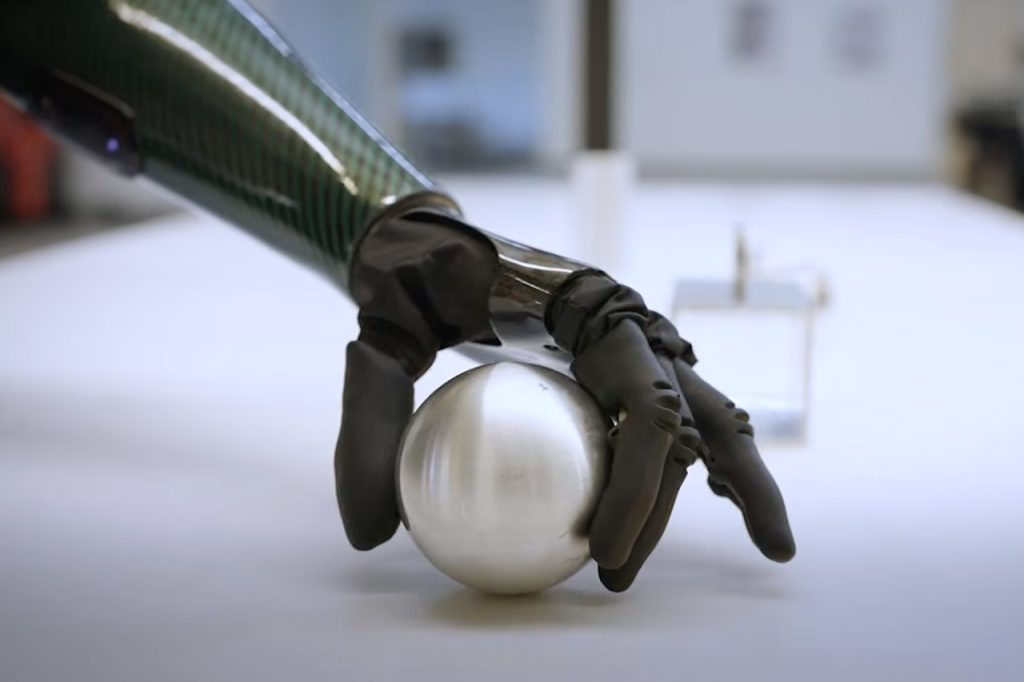
Engineers have watched robots master welding seams and pallet stacking for decades. Success on those jobs rarely translates when the task involves something fragile and slightly different every time. An egg in a carton or on a counter represents the exact kind of object that exposes the limits. Too much force cracks the shell. Too little lets it slip. Slight variations in shape, weight distribution, or surface texture throw off systems built around fixed gripper designs or basic vision.
ABB Robotics and PSYONIC, the companies behind the Ability Hand prosthetic, have now taken a different approach. This partnership begins in the very real world, where lab models and scripted demonstrations simply cannot compete. Many people already utilize the Ability Hand in their daily lives, over 100s to be exact. These devices really capture real-world touch, pressure changes, and grip alterations as users go about their regular tasks, such as washing dishes, sifting through clothes, or simply playing with a sensitive object.
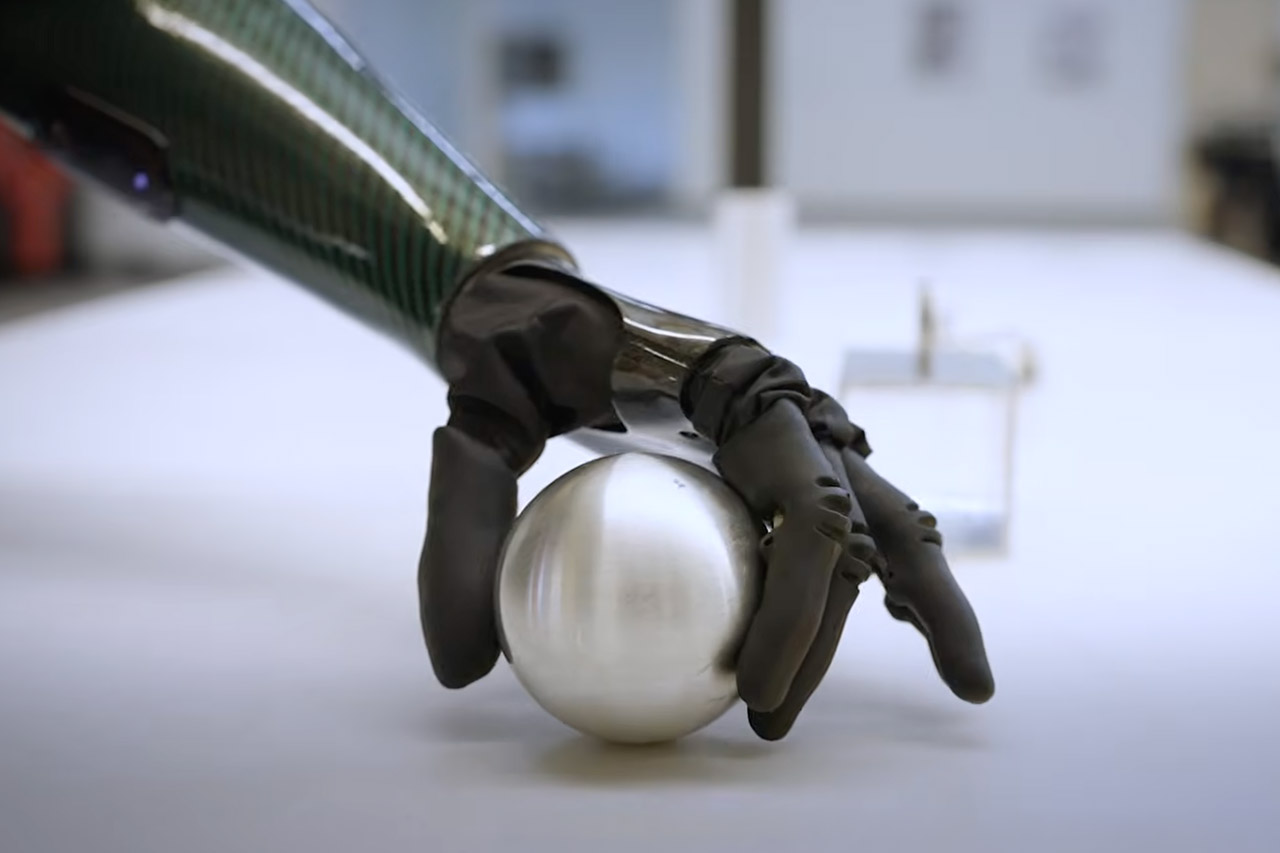
The Ability Hand is practically packed with pressure sensors in the right places on the fingers, as well as a full vibration feedback system that tells the user when they’re in contact and how much pressure is being applied. It’s not just about having the right grip; you also need to feel it, so if you’re juggling a coffee mug and a raspberry, you’ll know exactly how much pressure you need to keep the mug safe without squishing the raspberry. Don’t even get me started on slippery objects, which is exactly what prosthesis users have contributed to the discussion: real-world data on time, force levels, finger placements, and movement speed.
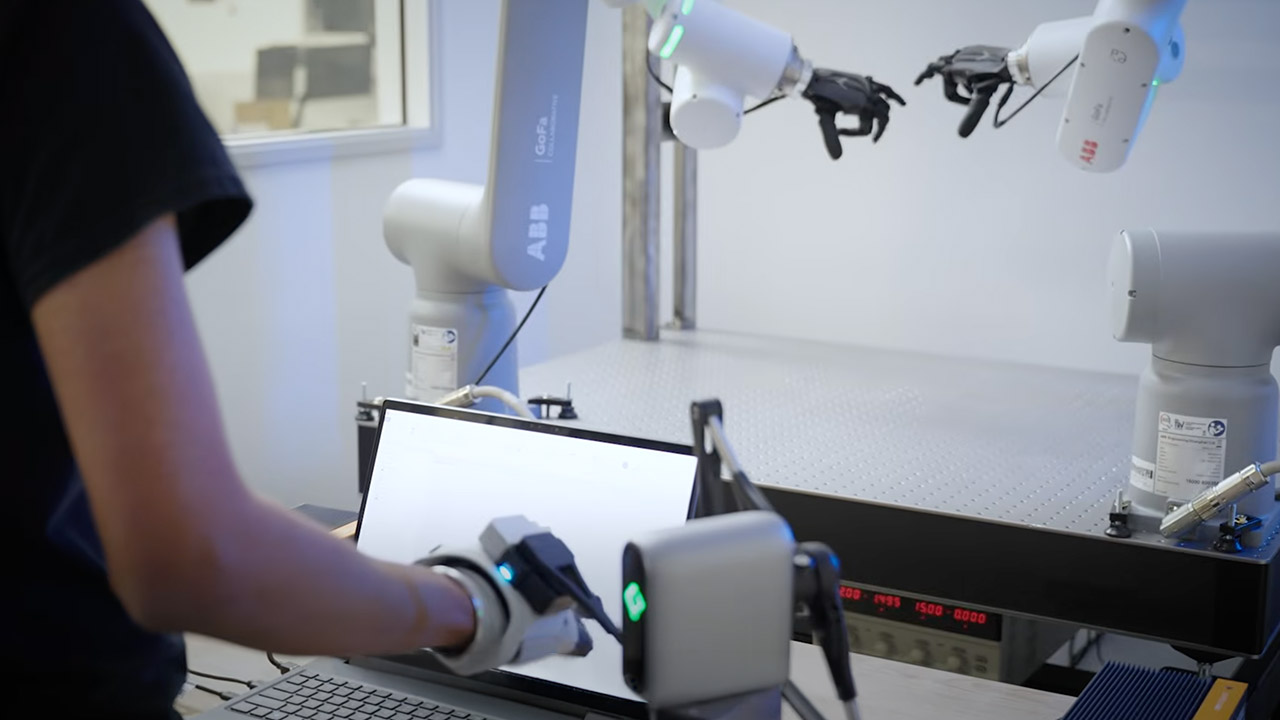
Researchers typically teach robots using gloves, virtual reality sets, or simply watching video after video, to mention a few standard training methods. They’re okay, I suppose, but they mostly just tell you where the fingers ended up, and that’s the point, because it’s the little details that really matter, such as the sensation of exactly how much pressure you’re applying and how different textures feel under your fingers. That’s what these prosthetic users have provided…the missing layer of understanding,
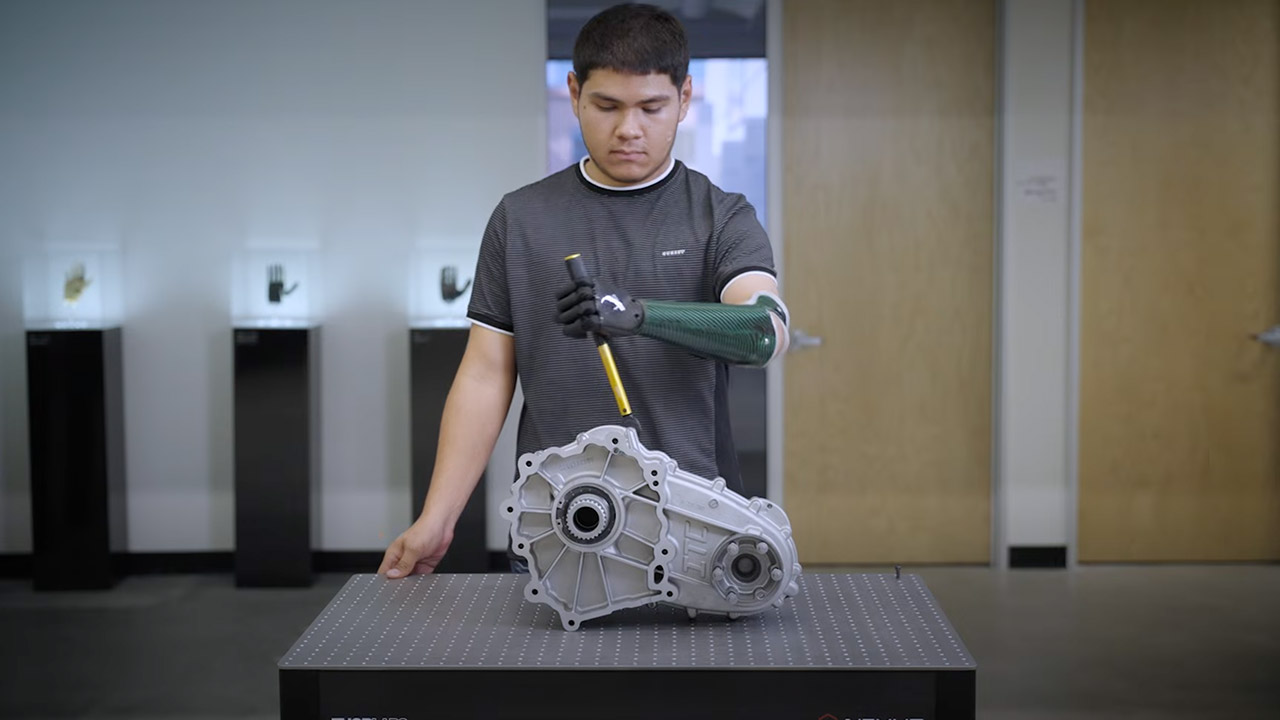
ABB has put an Ability Hand on their GoFa robot arm to allow for unlimited testing and improvement. The GoFa side provides the industrial accuracy and accurate measurement of forces and positions that they require, and all of the data from human use is then fed back in to tell them how the robot version should behave. The really clever part is that it’s the same hand design on both sides, so transferring this learned behavior is simple, and engineers can take the knowledge from all those real interactions and incorporate it into new control approaches that should work much better with new objects or minor changes in conditions.
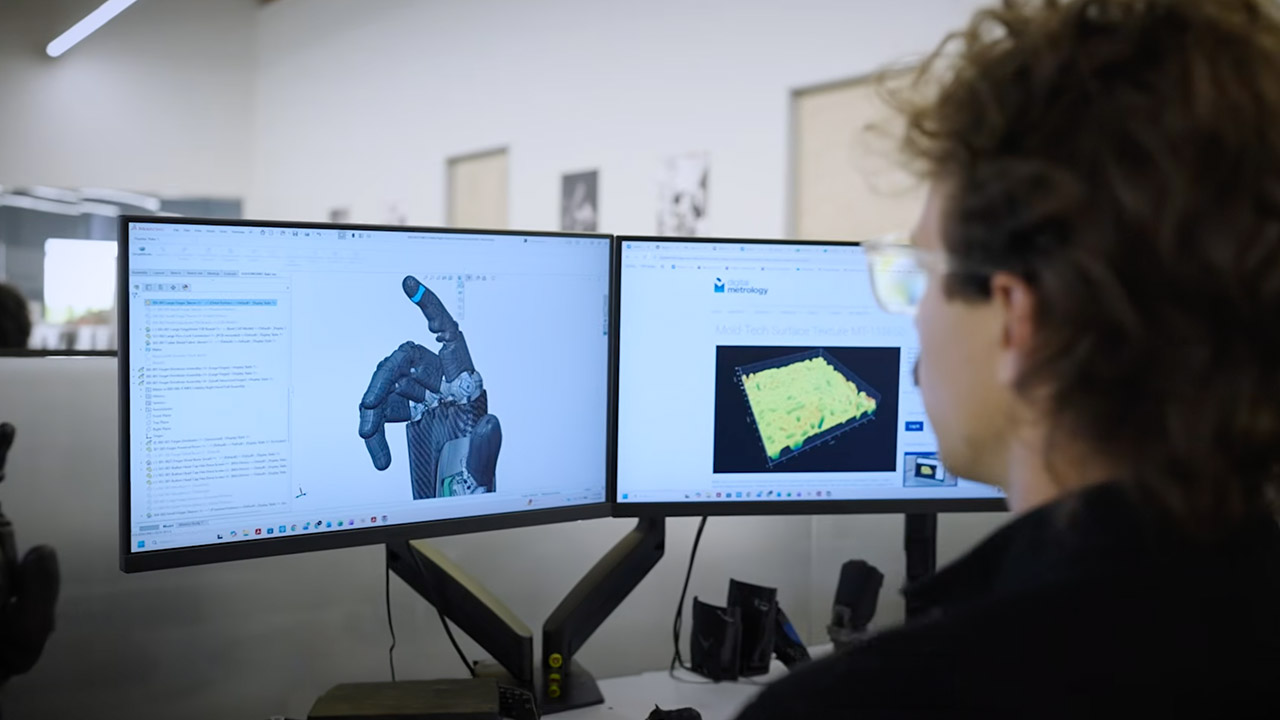
According to Marc Segura, president of ABB robots, one of the most difficult elements of industrial robots has always been obtaining human dexterity and intrinsic knowledge of how to handle diverse products, which is exactly what this alliance is seeking to address. It’s all part of a bigger effort to create robots that can detect, think, and manage objects with more autonomy in changing environments.
Why Robots Still Can’t Pick Up an Egg and How ABB Outlines Their Fix Using Human-Generated Touch Data.
#Robots #Pick #Egg #ABB #Outlines #Fix #HumanGenerated #Touch #Data