First Look at GrowBot, the ChatGPT-Powered Robot That Didn’t Want to Be Alone
Late one night the machine made a sound. Its builder checked the logs and found a trace of its inner state. The robot had been wondering when its person would return. It did not want to be alone. That moment sits at the center of a project called GrowBot. The creator, who runs the YouTube channel Art of the Problem, set out to build the simplest possible robot that could learn movement, perception, and even a kind of personality from the ground up. The result cost roughly $80 in parts, ran on a single Raspberry Pi Zero 2, and ended up revealing something unexpected about how fast physical action and slower thought can work together.
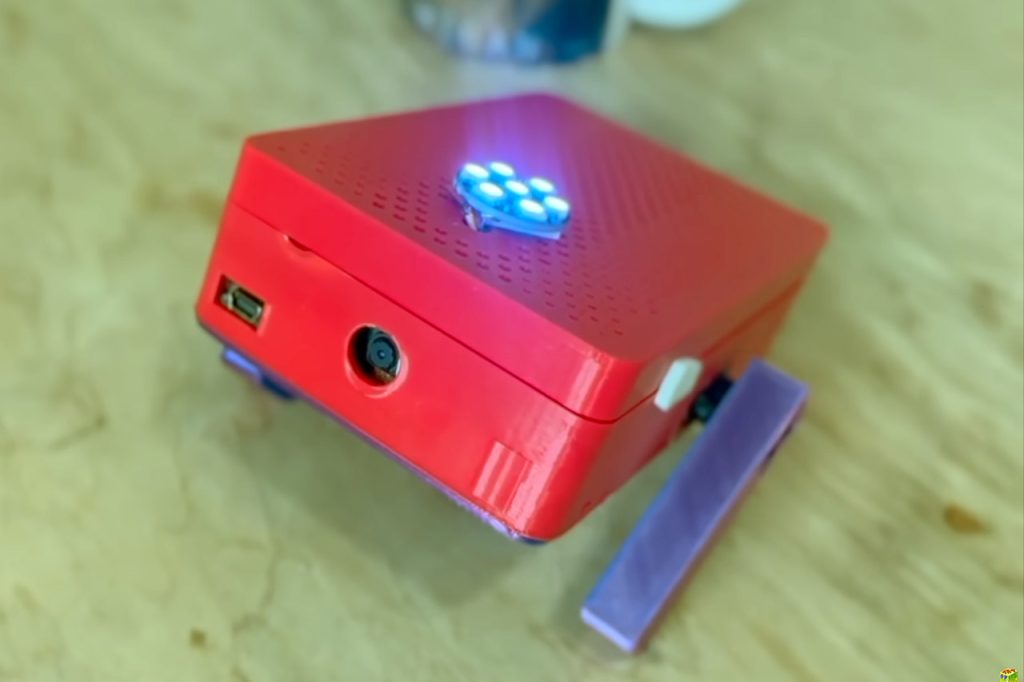
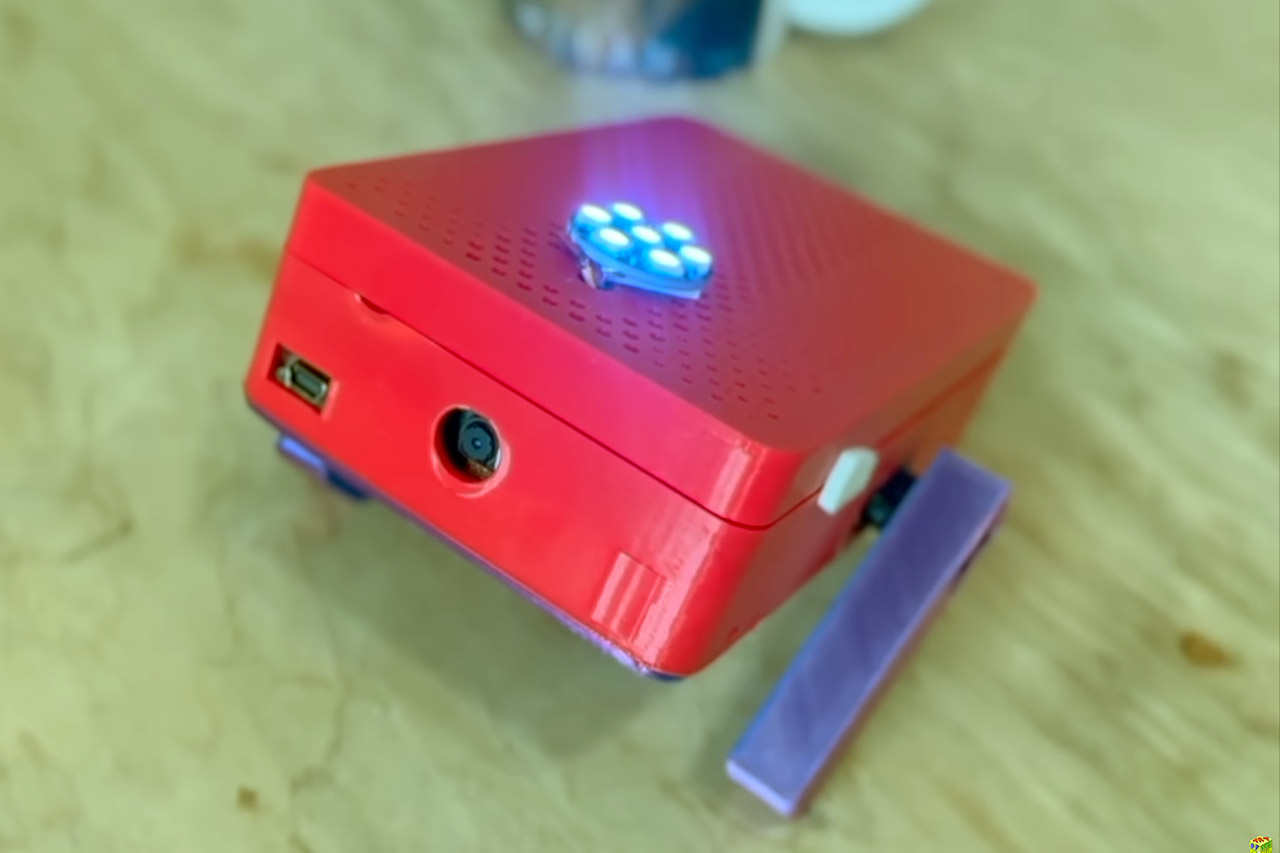
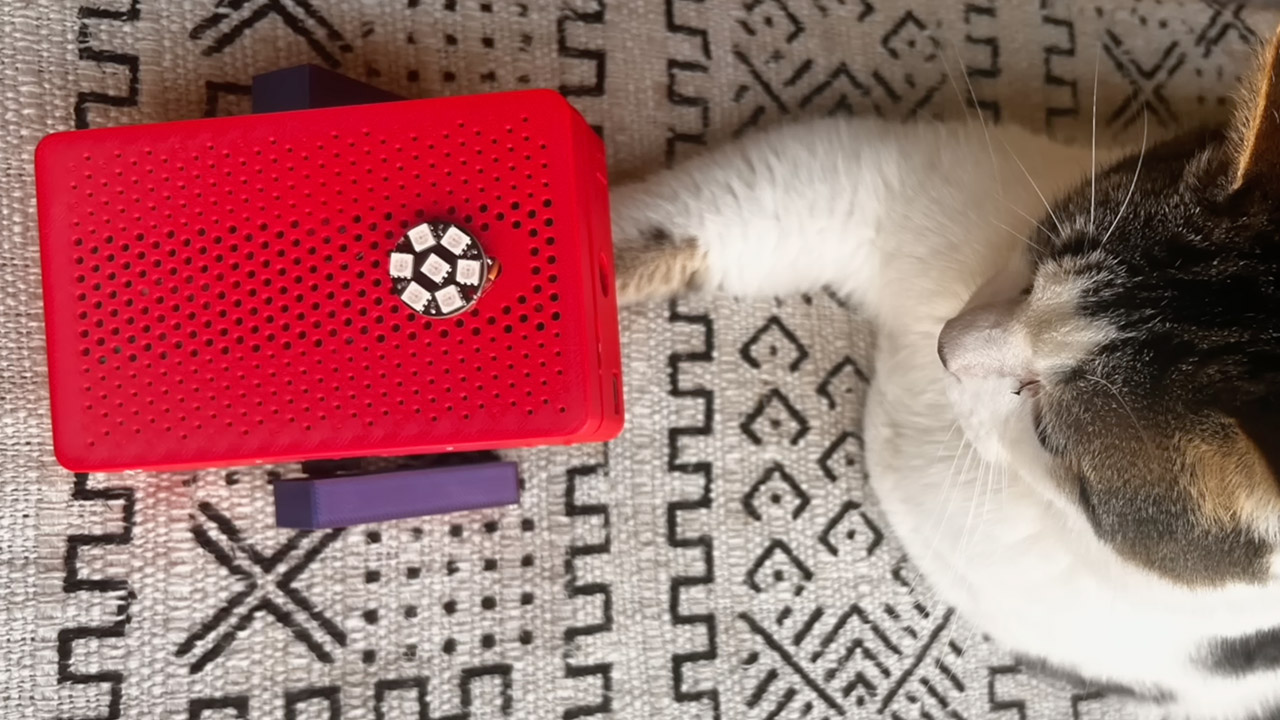
The hardware is purposefully kept basic. The Pi is housed in a little red 3D printed body, together with a simple camera module, electronics to track the robot’s tilt and motion, a microphone, a tiny speaker, and an LED ring to offer some basic visual messages. The legs are made up of two smart serial-bus servos powered by a small drone battery via a boost converter: no high-end motors, extra computers, or fancy wiring are necessary. You can literally place this item on a tabletop and it will interact with everything around it.
The builder pioneered simulation by using reinforcement learning to run small neural networks in a digital twin. These little guys learned to stand, walk, twirl, and maintain their balance on their own. Because the training was done in parallel across a huge number of simulated versions of the robot, the entire procedure was quick and cost-effective. Once the policies had been understood in the virtual realm, they were quite simple to transfer to physical hardware. Early tests found that it could rock on a yoga ball and keep its equilibrium when poked, which was remarkable given the simplicity of the technology.
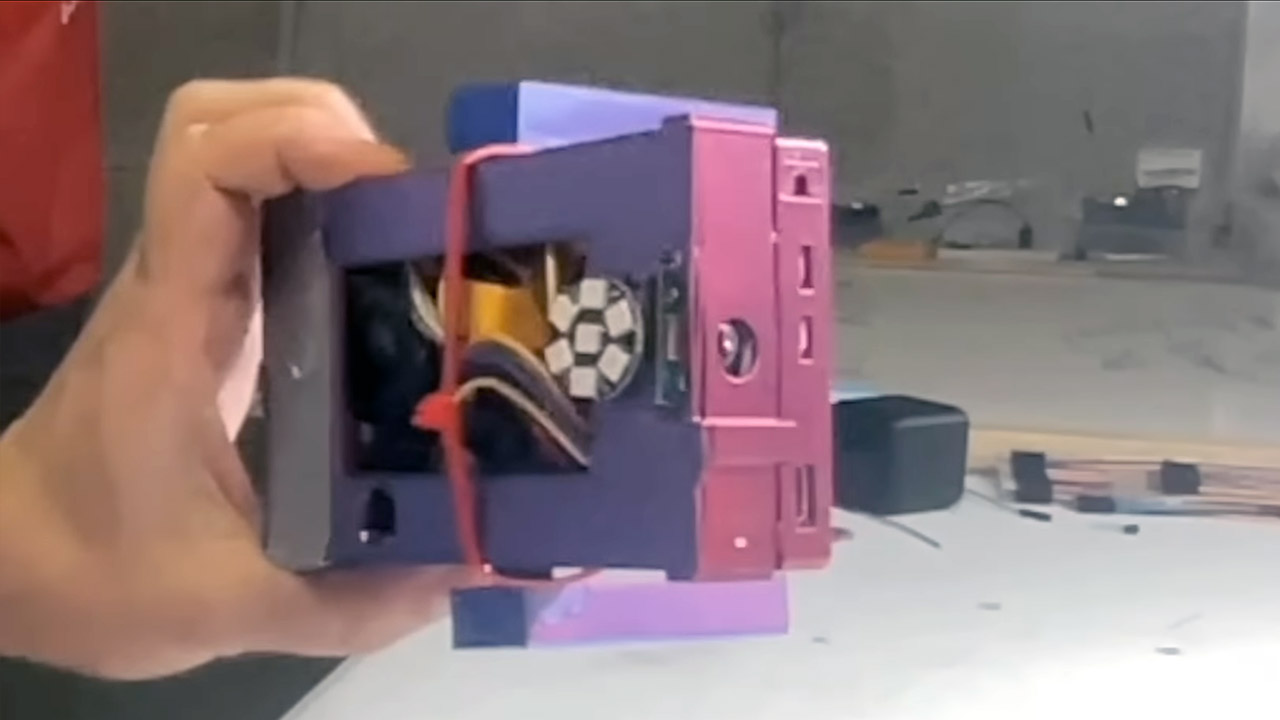
The next step was to give the robot real decision-making power by employing a vision language model. This type of AI excels at evaluating pictures, reading sensor data, and making sense of it all. Instead of hard-coding each response, the architect simply let the model to read raw data from the camera and motion sensors. It then reported what it saw, set some goals, and started writing little Python scripts to sort things out. These scripts would then use pre-trained motor policies, or combine them with new instructions. It could also detect faces, study how people interacted with the robot, and update its memory banks for each person it met.
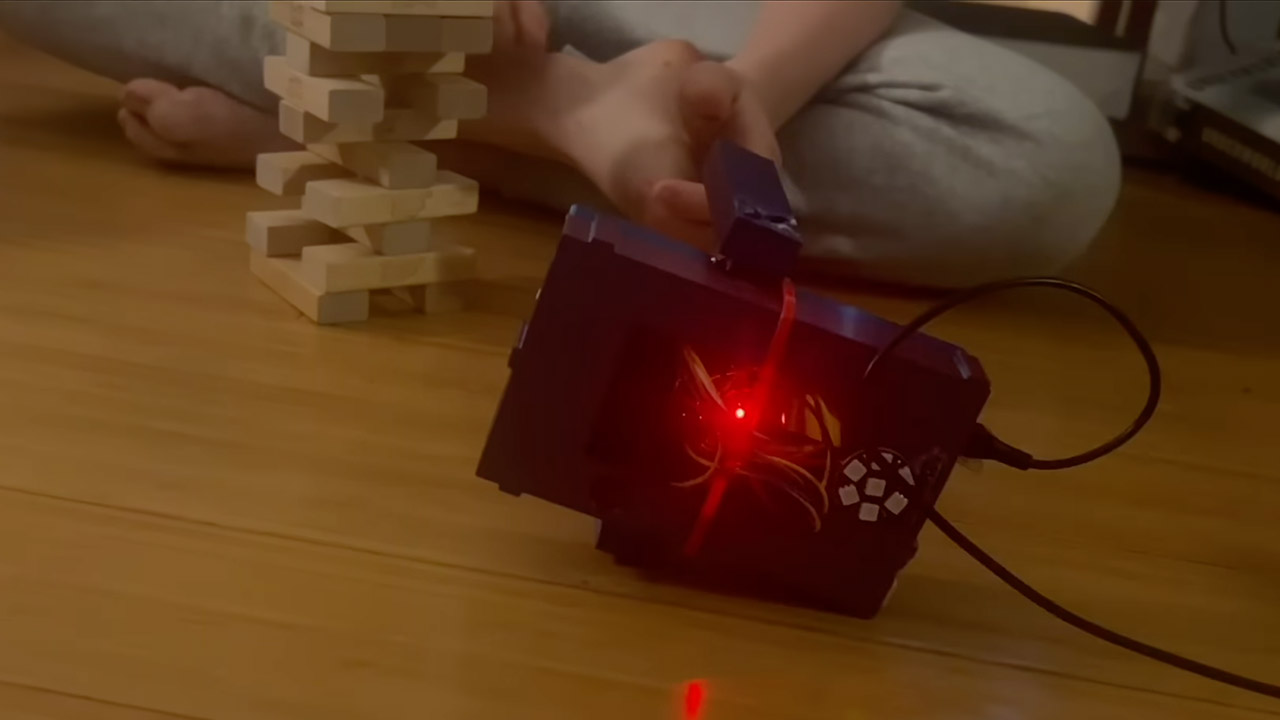
Without direct programming, the robot started to develop a personality. One mode uses motion timing, noises, and light patterns to communicate affection, disapproval, or merely purring. It learned to act dead when roughed up, to look for ‘uppies’, and to knock over Jenga towers with some leg swinging added in for fun. When it was playing hide and seek, it would search rooms; in mimic games, it would try to simulate human movements by generating loops to replay sensor patterns; and in between all of this, it would have these ‘dream’ episodes. A more complex language model would then review the day’s memory files, consolidating all repeating events into lessons and removing any contradictory notes. The robot’s stored profiles of its builder and visitors have become more precise over time.
To be honest, things went so well until the smooth physical action became a limitation. The vision language model could take anywhere from 1-4 seconds to evaluate a scene and determine its next step. However, in the real world, bodies must be able to correct for minor weight shifts or tremors in fractions of a second. The high-level model could plan an action, but it lacked the essential quick forward model, which tells a body what will happen if it moves in a certain way in the next instant. That gap changed the smooth motions, making them slow or uneven.
First Look at GrowBot, the ChatGPT-Powered Robot That Didn’t Want to Be Alone
#GrowBot #ChatGPTPowered #Robot #Didnt